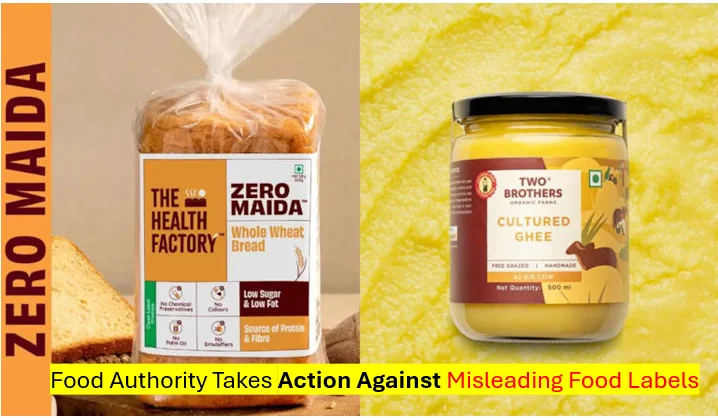

The FSSAI has warned several food businesses for using false product names, trade names, and claims about chemicals, health, nutrition, and organic status. The move comes at a time when officials are trying to ensure that food labels provide accurate information and don’t give people the wrong idea.
The authority pointed out that some goods used terms like vitamin, healthy, organic, vegan, zero maida and healthy in ways that could lead people to buy them without meeting the standards or obtaining the required approvals. The letters were sent out due to the Food Safety and Standards Act of 2006. This law is meant to protect people from getting false information about food.
FSSAI said that food businesses must follow set rules for marking and displaying food so that customers are not tricked. The action covers a wide range of goods, including snacks, bread, vitamins, drinks and other healthy foods.
There are concerns about the use of health and nutrition claims
The inspector was very worried about how many health related words were being used in product names. A lot of people choose what to eat based on what the package says, especially when the wording suggests a healthier diet or health benefits.
Regulations were reviewed to determine whether claims made on products whose names include words such as Healthy or related terms were true. FSSAI said that some brand names could lead people to believe the goods had special health benefits, even if the claims did not comply with government rules.
Products from brands with names that sounded like they were good for you were among those that were flagged. The government agency said that these kinds of names and descriptions could confuse people into thinking the product is better or has more nutrients than it actually does.
Concerns were also raised about goods sold with names like Zero Maida. The authority said that some of these claims needed to be looked into more closely as the product’s ingredients and makeup did not match what the label said.
Organic claims are being reviewed by the people responsible for food safety
The regulator was also concerned about goods labeled organic that didn’t meet licensing standards. Claims about organic food must meet certain criteria so that customers can find goods that have been checked by recognised methods.
A number of brands with names that sound like they are linked to organic food were asked if their goods had the necessary certifications, endorsements and legal recognition. The authority said that using organic language without following the rules could lead customers looking for approved organic goods astray.
Demand for natural and organic foods is still rising, which makes the problem more pressing. A lot of people choose these kinds of goods as they think they are better, cleaner, or made with higher standards. Regulators have made it clear that these standards must be met by correct labelling.
Brands with vegan, vitamin and ingredient based labels were also marked
In addition to promises about being healthy or organic, FSSAI looked at other parts of product details that might affect how people choose to buy something. Some of the things that were looked at were terms linked to being vegan, vitamins and certain foods.
Some goods were marked as their names made me think of traits that were either not allowed by law or were not clearly described by current food rules. The authority said that product names shouldn’t make it hard to understand what the product is made of, how it was certified or what health benefits it has.
The regulator also said that food companies need to make sure that their name fits what the product is really like. Labels and ads help people make smart choices, and claims that aren’t clear can make people less likely to trust them.
Read also: FSSAI Seeks Explanation From Blinkit Over Complaints of Poor-Quality Food Products
The move aims to make the food industry more open
The most recent warnings are part of a broader effort to make the food industry more transparent. Companies are using more and more wellness focused words to sell their goods as more and more people want to eat better foods.
The goal of regulatory action is to ensure that these terms are used properly and only when needed. FSSAI has told food businesses they need to follow the rules for food marking and not do anything that could confuse customers.
This event shows how important it is to have correct information on food packaging. People are still looking for healthier, more natural options and officials are working to ensure that claims about products are backed by facts.
The signs are a good reminder that when selling food, they should stick to clear, honest messages rather than making claims that could give people the wrong idea. As the food business grows, it’s still very important to maintain consumer trust by using clear signage.

I am a versatile content writer from the MP region, covering politics, business, crime, current affairs, entertainment, video games, and sports with clear insights, engaging analysis, and timely, reader-focused updates.