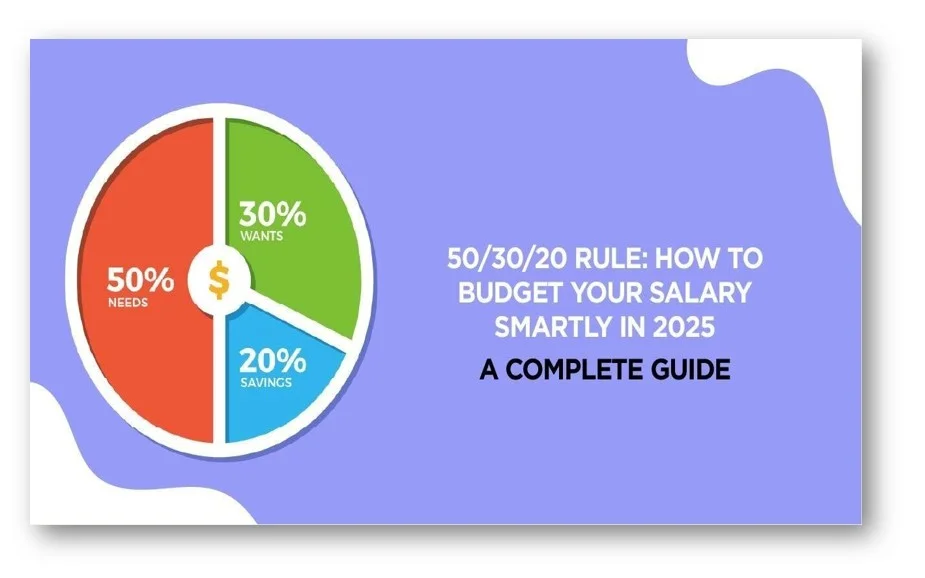

A lot of people find it hard to handle their own money, even though there are a lot of helpful tips and tricks online. On the other hand, the 50-30-20 Rule is a tried-and-true way that is still easy to use. This Rule will help you break down your income into clear spending groups, which will help you save regularly and spend sensibly.
US Senator Elizabeth Warren made the 50-30-20 Rule famous, and it has since become a popular way to make a budget. Your monthly income after taxes should be split into three main categories: needs, wants, and savings.
What Does the 50-30-20 Rule Mean?
You can divide your budget into three parts with the 50-30-20 Rule:
- Needs: You should spend half of your cash on things you have to pay for every month. You can’t get out of these bills and costs.
- 30% for Wants – You can spend about 30% of your pay on things that aren’t necessary but make life more fun.
- 20% for Savings—At least 20% of your income should go straight into savings and paying off debt.
This section gives you a sensible way to handle the money that lets you enjoy life, plan for the future, and live comfortably today.
50% for Needs: What are the Most Important Things?
The first and biggest part, 50% for needs, is for all the things you have to pay for. These are the monthly bills you can’t avoid. Often, they include:
- Rent or debt payments on a house
- Things like water, power, and the internet
- Bills for groceries
- Costs of basic transportation
- Minimum payments on a loan
These important and normal costs shouldn’t take up more than half of your income; that’s the idea. If they do, you might have to spend less on other things or look for ways to lower your basic costs.
When deciding which costs are “needs,” it’s important to be honest. A meal at home, food, and drugs that you need are examples of “needs.” Meals out or takeout, on the other hand, are usually considered “wants.”
Also read: Bengaluru Couple Turns ₹3.2 Lakh Income Into ₹4 Crore Plan
30% for Wants: Living a Responsible Life
After taking care of your basic needs, you should set aside about 30% of your cash for “wants.” Things like these make your life better but aren’t exactly required. Some examples are
- Going out to eat with friends
- Entertainment service subscriptions
- Getting new electronics or clothes
- Vacations and trips
- Interests and free time hobbies
Don’t spend too much and still enjoy life. Wants should be things you can put off or cut back on if your finances change, but needs should always be met.
20% to save money and pay off debt
The last part of the Rule says that you should save and pay down debt with 20% of your cash. This is the part that will protect your future finances. This group includes:
- Setting up a fund for emergencies
- Getting ready for old age
- Putting money into things like stocks or mutual funds
- Extra payments on loans on top of the minimum
Credit card bills and other high-interest debt can be paid off faster with some of the 20%. This will save you money in the long run. You want your savings to grow slowly over time.
Why the 50-30-20 Rule Works
What makes this rule good is that it is simple and can be used in different situations. It can be used by anyone, no matter how much money they have. It gives you a simple structure that keeps you from spending too much on impulse and pushes you to save without making your life too hard.
If the cost of your needs is more than half of your income, you may need to cut back on your wants or look for ways to make more money. Also, if it’s hard for you to save 20%, start with a smaller amount and slowly raise it over time.
With this budget rule in place, you can get a better handle on your money, feel less stressed, and prepare for a better financial future.

I am a versatile content writer from the MP region, covering politics, business, crime, current affairs, entertainment, video games, and sports with clear insights, engaging analysis, and timely, reader-focused updates.