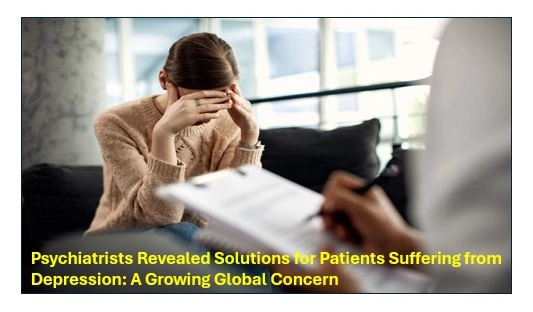

One of the most common mental health disorders is Depression, and it continues to be an issue worldwide. The World Health Organization estimates that there are hundreds of millions of individuals throughout the world suffering from Depression and it is now the lead cause of disability. Psychiatrists are now stating that revolutionary medical treatments, individualized therapy programs, and changes in lifestyle will all combine to change how we treat depression.
Breakthrough Products Provide Prompt Relief
The most significant breakthroughs are in the form of quick-acting treatment derived from an anesthetic medication Ketamine. Recently the U.S. Food and Drug Administration approved Esketamine nasal spray for the treatment of the individuals who do not respond to other traditional antidepressant medications which leads to a lot of hope for the individuals who suffer from this condition.
As opposed to the more traditional forms of medication that generally require weeks to see any results from taking the medication, patients taking Ketamine-based treatments can generally have their symptoms improved within hours or in some cases days. Ultimately, it is important for patients suffering from Depression to work with their Psychiatrists to ensure that they are monitored closely while using this treatment, due to the potential for side effects as well as the potential for misuse.
Researchers are also currently working to develop the next generation of antidepressants that will use different targeting methods than SSRIs to treat Depression and improve patient outcomes with fewer side effects.
Personalized Therapy Is Key
According to mental health practitioners, “depression” can be treated in a variety of ways, as depression does not have a single method of treatment. Because of this, the development of individualized treatment strategies for depression include genetic testing, assessment of symptoms and the evaluation of co-occurring disorders to develop a customized program of treatment.
As the mainstay of treatment remain evidence-based psychotherapies, therapies such as Cognitive Behavioral Therapy (CBT) and Interpersonal Therapy (IPT) teach the patient how to recognize dysfunctional thought processes and develop coping strategies. Increasingly, when treating patients, psychiatrists frequently combine the use of psychotherapy with medication as a way of achieving long-term results.
To improve access to care for patients, digital mental health platforms and telepsychiatry services have created new channels of care delivery for underserved populations, as well as for patients who reside in less populated, rural areas.
Brain stimulation therapies are getting renewed interest. For treatment-resistant depression, brain stimulation therapies (TBS) are also getting renewed interest.
TBS techniques, such as Transcranial Magnetic Stimulation (TMS), deliver magnetic pulses to stimulate specific nerves within the brain that are known to regulate mood. Electroconvulsive therapy, once thought to be stigmatized, is now performed under general anesthesia and is considered safe and effective for treatment-resistant depression. In more extreme cases, Deep Brain Stimulation (DBS) is being investigated for use in the treatment of depression.
Psychiatrists provide testimony that treatment via brain stimulation therapies (TBS) is frequently lifesaving for patients who have failed to respond to traditional treatment interventions.
Also read: What is Personal Hygiene in Nursing and How Nurses Help Patients
Lifestyle Medicine and Preventive Care
Researchers are finding that the way someone lives their life is closely connected to how well they are able to cope with depression (in other words, having an active lifestyle, eating right, getting enough sleep, and not drinking too much). There has been a shift towards these components as important parts of the way someone manages their depression.
There are a number of other ways that people can reduce symptoms of depression: (1) Mindfulness, such as meditation exercises or breathing exercises, has been shown to help decrease stress levels and to prevent people from becoming depressed again. (2) Social support is another important factor; programs that provide social support (i.e., structured peer support programs or group therapy) are being used to help people feel less lonely.
An emerging trend is preventive psychiatry. Early assessment for risk factors in schools and in primary care settings allows depressed individuals to be identified before their symptoms have worsened.
Read more: Apollo Doctor Explains How to Use Black Coffee for Fat Burn
The Future of Mental Health Treatment is Holistic
Psychiatrists generally agree that the future of treating depression lies in the integration of several approaches, including the use of medication, therapy, technology, brain stimulation, and lifestyle medicine as part of a comprehensive care plan for someone with depression.
Although not all individuals respond to each of these approaches (and there will not be one “right” solution for every person with depression), these new ideas provide hope that there will be improvement in the quality of life for individuals after treatment has occurred. In the coming years, as research continues, stigma continues to decrease, and access to care is expanded, specialists expect to see even more improvement in outcomes for individuals with depression.

I am a versatile content writer from the MP region, covering politics, business, crime, current affairs, entertainment, video games, and sports with clear insights, engaging analysis, and timely, reader-focused updates.









