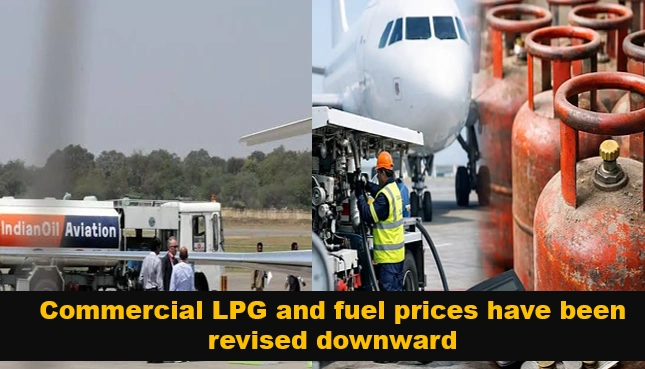

Oil marketing companies have announced a reduction in the prices of commercial LPG cylinders, 5-kg Free Trade LPG (FTL), and domestic aviation turbine fuel (ATF) after pressure from global geopolitical tensions began to ease. The revision comes amid softer international energy benchmarks and improving supply conditions.
The latest adjustment is expected to provide relief to commercial establishments, small businesses, and aviation operators that were facing higher operating costs during recent periods of market uncertainty.
Commercial LPG Prices Revised Downward
Commercial LPG cylinder prices have been reduced following a decline in international fuel prices and easing concerns linked to geopolitical conflicts. The decision reflects changing market conditions after weeks of volatility in global energy markets.
The reduction primarily impacts hotels, restaurants, food vendors, catering services, and other businesses that depend heavily on commercial LPG for daily operations. Industry observers believe the price cut could help lower operational expenses for small and medium-sized enterprises.
Oil companies periodically revise LPG rates based on international benchmarks, freight costs, exchange rate movements, and overall market dynamics. The latest decrease indicates that global fuel markets have shown signs of stabilization after earlier disruptions.
Relief for Consumers Using 5-Kg FTL Cylinders
In addition to commercial LPG, the price of 5-kg Free Trade LPG (FTL) cylinders has also been reduced. These smaller cylinders are commonly used by households, small vendors, travelers, and consumers requiring portable cooking fuel solutions.
The revision is expected to benefit consumers who rely on 5-kg cylinders for temporary or mobile cooking arrangements. Many low-volume users and small food businesses prefer these cylinders because of their portability and affordability.
The move comes as authorities and fuel retailers continue monitoring changes in global crude oil and gas prices. Lower international energy costs have enabled oil marketing companies to pass on some relief to consumers.
Also read: Gas Cylinder Booking Rules 2026: LPG Users Must Know These 5 Major Changes
Domestic ATF Prices Also Cut
Domestic aviation turbine fuel (ATF) prices have also been lowered as international crude trends weakened and conflict-related supply concerns moderated. The aviation sector had been facing increased fuel expenses during recent periods of heightened geopolitical uncertainty.
ATF is one of the biggest operational costs for airlines, and any reduction in fuel prices can significantly affect overall expenditure. Aviation companies are expected to benefit from the revised pricing structure, especially during a period of growing passenger demand and expanding domestic travel.
Industry analysts say the reduction could improve cost efficiency for airlines operating domestic routes. However, future price movements will continue to depend on international crude oil trends and geopolitical developments.
Global Conflict Pressures Begin to Ease
The latest fuel price revision follows signs of easing tensions in global conflict zones that had previously disrupted energy supply chains and triggered concerns over fuel availability. Earlier uncertainty had contributed to fluctuations in crude oil prices across international markets.
With supply conditions improving and fears of major disruptions reducing, energy prices have shown relative stability in recent weeks. This has allowed fuel retailers to reassess pricing structures across different petroleum products.
Market experts note that geopolitical developments remain one of the most important factors influencing fuel prices worldwide. Any escalation in conflict situations can quickly affect crude oil supply routes, transportation costs, and energy market sentiment.
Impact on Businesses and Transportation Sector
The reduction in commercial LPG and ATF prices is expected to support sectors heavily dependent on fuel consumption. Restaurants, catering businesses, airlines, and transport-linked industries may see some relief in operating costs.
Commercial establishments had experienced financial pressure due to rising fuel expenses in previous months. Lower LPG prices could help businesses manage expenditure more effectively, particularly in the hospitality and food service industries.
Similarly, airlines may benefit from lower aviation fuel costs at a time when competition in the domestic aviation market remains high. Reduced ATF prices may also support improved operational planning for carriers managing fluctuating passenger demand.
Also read: LPG supply update: 39,000 PNG customers give up their LPG Connections in India
Fuel Prices Continue to Depend on Global Trends
Despite the current reduction, fuel pricing remains closely tied to international market conditions. Changes in crude oil prices, geopolitical developments, currency exchange rates, and transportation costs continue to influence domestic fuel revisions.
Oil marketing companies regularly review prices based on global energy movements and supply-demand dynamics. Analysts caution that while current conditions have led to lower rates, future adjustments will depend on how international markets perform in the coming weeks.
The latest revision nevertheless offers temporary relief to commercial users, small businesses, and the aviation industry as energy markets show signs of stabilization after recent volatility.

A versatile writer mainly works on trending news, daily updates from politics, business, crime, current affairs and entertainment.