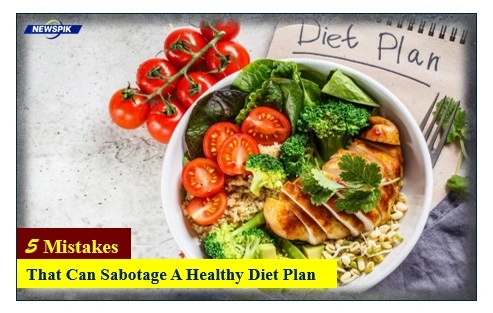

Diet programs can fail for a number of reasons – many people try diet programs and then give up because of unavoidable mistakes they make along the way. A lot of people stop eating healthy not because the program doesn’t work, but because there are unavoidable habits they may have developed over time that tend to derail their progress. Below are five common mistakes that will derail a healthy nutrition program, along with some tips to help people avoid these types of mistakes.
Mistake 1: Cutting Calories Too Quickly
The No. 1 mistake people make when they begin a weight loss program is to cut calories too aggressively. It may sound appealing to lose weight quickly; however, by doing so, the number of calories consumed is so low that one’s metabolism decreases, becomes fatigued easily and experiences extreme cravings. These three effects often lead to binge eating or giving up on the program altogether.
Experts recommend creating a calorie deficit while still consuming enough calories to perform daily activities. Eating balanced meals that include sufficient amounts of protein, healthy fats and complex carbohydrates will increase the chances of sustaining a successful weight loss program.
Mistake 2: Labeling Food as Good/Bad
By creating rigid food rules (good vs. bad foods), it is impossible for one to avoid “bad” food or not eat it altogether. Because of this mindset, many people feel guilty or like a failure when they eat a “bad” food. This will create an unhealthy relationship with food as well as create a cycle of restricted eating and overeating by that individual.
Nutritionists agree that it is better to look at the bigger picture of your overall eating habits, rather than trying to achieve something perfect. If you indulge from time to time it does not mean you are going to lose all the long-term benefits you have achieved by eating healthy overall.
Mistake 3: Ignoring Portion Size
Healthy foods still have the potential of contributing to weight gain if you routinely consume them in large portion sizes. Things such as nuts, oils, whole grains, and smoothies are very nutritious, but they also provide a lot of calories.
Eating mindfully – paying attention to your hunger signals and size of portions – can help eliminate overeating. Using smaller plates, eating at a slower pace, and measuring serving sizes are some examples of ways you can control portion sizes and eat in moderation.
Mistake 4: Relying on Diet or Processed Foods
Many people use diet products (low fat, no sugar, sugar-free) thinking they are going to be better for them. In fact, most diet products are processed foods that contain more sodium, artificial sweeteners, and other additives than are found in foods that contain healthy ingredients.
Earthing whole foods such as vegetables, fruits, lean proteins, legumes, and whole grains provide much more nutrition and satisfy than processed foods or diet foods. Reading food labels and eating fewer ultra-processed foods can help you develop a well-balanced, healthy diet.
Mistake 5: Neglecting Lifestyle Factors Beyond Food
There is no such thing as a healthy diet existing alone. Sleep deprivation, stresses from life, and little activity will affect how well someone meets their dietary goals. Increased amounts of chronic stress may lead to cravings for sweets (or) fatty foods, and will change how your body produces hormones that tell you when you are hungry and when you are not.
Research indicates that it is important to take a holistic view, with adequate sleep, regular movement, proper hydration, and managing stress all being factors in supporting healthy eating habits and ultimately achieving long-term healthy living.
A healthy diet cannot be defined by strict rules or the concept of quick fixes, but rather by balance, consistency, and habits that are realistic to daily life. If these common diet mistakes are avoided, someone can develop their own successful and sustainable nutrition plan that ultimately supports them toward living long-term versus short-term.

A versatile writer mainly works on trending news, daily updates from politics, business, crime, current affairs and entertainment.