New pilot safety requirements are blamed for pandemonium, while IndiGo’s irresponsible planning and DGCA’s collapse are the underlying causes.
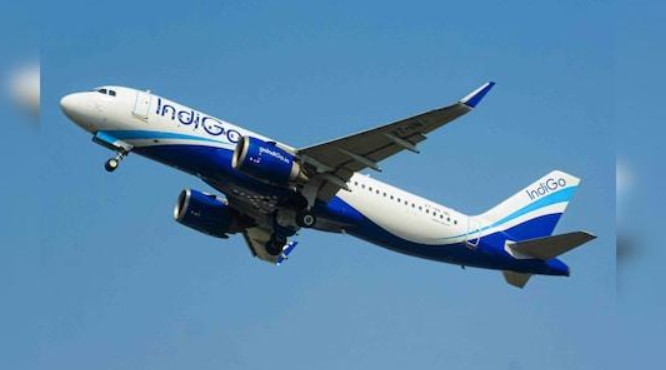
India’s major airports went haywire in early December 2025. IndiGo, India’s biggest airline cancelled almost 2,000 flights in a week, leaving thousands of customers without warning or choices.
The official answer is simple
Pilots are in short supply due to stricter fatigue-management guidelines. The truth is far worse. The Directorate General of Civil Aviation (DGCA) released revised pilot duty-time rules requiring longer rest periods and fewer flying hours to reduce fatigue and improve aviation safety. These delayed modifications reflected the worldwide best standards and were imposed following a June 2025 Air India Express tragedy that killed 260 passengers.
IndiGo, with a tight schedule and a small pilot pool, failed to prepare. After the regulations took effect, the airline could no longer staff flights. A massive shutdown ensued, scaring even the most experienced fliers.
Within days of the crisis, the administration bowed. To get IndiGo back on track, the DGCA halted new safety rules. The airline granted refunds after the Ministry of Civil Aviation limited airfares. The hustle for damage control could not mask the lack of foresight or restore faith in the passenger safety system.
Read also:
- IndiGo dumps Railways rescues can this be a train turnaround?
- IndiGo Cancellations Cause Widespread Anger
Close-cutting culture
IndiGo is not a failing startup. It controls over 60% of India’s domestic market with over 400 Airbus planes. Its lean business approach of one aircraft type, swift turnarounds, and cost emphasis has made it fat.
Strong numbers don’t guarantee good planning. The crisis showed major vulnerability.IndiGo’s cost discipline is dangerously strict. Analysts say its turnaround times and rostering are so precise that even a minor change, such as pilot rest restrictions, may stop the network. The airline seemed to be walking a high wire without a net.
Brittleness efficiency
This once-efficient system is now fragile. The airline froze recruiting in the weeks before the interruption, despite knowing the new requirements would demand extra pilots. It believed its operational might and regulatory influence would succeed. Such a notion anchored thousands.
IndiGo overlooked the fact that safety requirements are not recommendations. Trust in a field where errors may kill is built on them. Dodging compliance by the biggest player has national repercussions. The cancellations weren’t only the airline’s fault. They failed the state.
The regulator blinked first
The aviation regulator responded quickly but clearly. In a regulatory retreat, it suspended its own rule instead of holding the airline responsible. Clear message. Safety can wait when necessary. This is old. Jet Airways, Kingfisher, and GoFirst are among the famous airline failures in Indian aviation. They thrived on ambition, failed under mismanagement, and revealed a reactive regulatory framework that emphasised patchwork above prevention. This December mayhem implies we’ve learnt nothing from prior failures.
Kingfisher’s 2012 collapse and Jet’s 2019 catastrophe were related. They symbolised a fragile environment supported by cheap fares, high prices, and unsustainable loans. Engine and supervision failures doomed GoFirst again in 2023. Policymakers interfered late and gently each time. In each instance, taxpayers or stranded travellers paid.
Captured market risks
IndiGo’s present problems match that pattern, even if the airline is profitable.IndiGo is financially stable. Its net profit is around Rs 800 crore, while competitors struggle or bleed. The fleet is contemporary, budgets are managed, and growth plans are ambitious. But it has a significant reputational damage. Operating breakdown, however brief, indicates more serious damage. Size and scale may excuse ignorance, while power can dull caution.
This crisis highlights market concentration risks. IndiGo’s dominance has weakened the system while Air India rebuilds and SpiceJet struggles. Passengers suffer when one airline fails to deliver, not competitors.
It’s not a competition in captivity.
Globally, airlines stumble. In late 2022, Southwest Airlines cancelled almost 17,000 flights owing to obsolete staff scheduling. The major distinction is system response. Regulations and competition in mature markets spread risk. All eggs are increasingly in one basket in India.
India’s unique issues
India is now the third-largest aviation market. However, it is uniquely exposed. Aviation turbine fuel is severely taxed. High rents persist. Infrastructure strains. Currency instability, fuel price surges, and engine supply delays may devastate even the best financial sheets due to tight margins. IndiGo’s clout, not endurance, is protecting it this time. IndiGo has significant earnings, but a single interruption could wipe them out. Pilot-fatigue guidelines aim to align Indian aviation with global standards. However, their rapid exit indicates that the system adapts when the strongest player falters.
This is no one-time issue. A delayed systemic reckoning. They’re poorly prepared, not badly drafted pilot rules.
Suspended safety regulations for one carrier’s deficit are a troubling precedent. It normalises dominating players being too large to control.
Indian aviation can’t fly blind.
India must choose its aviation environment to prevent and repeat of its boom-and-bust cycle. Conditional safety is impossible. Voluntary regulation is impossible. Airlines must plan beyond profitability.
Scaling India’s aviation business without protections breeds failure. More passengers mean more regulatory spine and infrastructural depth. Rethinking supervision is part of it. Regulators require independence, not closeness. Safety must not be overturned at the first sight of trouble. Instead of using exemptions, airlines should incorporate contingency into their timetables.
Important to be resilient
IndiGo may regain its schedules, image, and growth. But the tale should continue. What counts is if politicians, regulators, and passengers demand responsibility from a player too big to fail but not too big to fail. The December impact goes beyond halted planes. It shows that resilience is not the same as efficiency. It warns against unaccountable market consolidation. If flying is no longer a luxury in a nation, the system that supports it must be more than lucrative.
December turmoil lessons go beyond IndiGo. They ask if India wants an efficient, competitive, and safe aviation future or one that repeats its mistakes under new names and larger fleets. Only with clear guidelines can the sky be the limit.

I craft sharp movie reviews and trend analysis, known for deep research, clear insights, and compelling storytelling across the latest in film and pop culture.