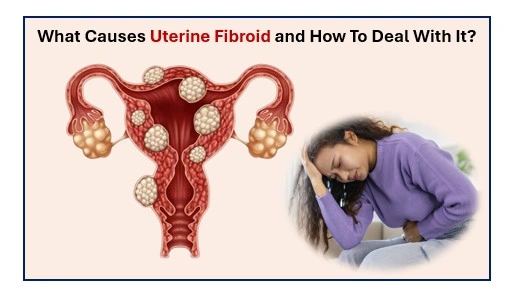

Uterine fibroids, also called leiomyomas or myomas, are non-cancerous tumors that affect a wide range of women. Uterine fibroids can grow anywhere in or around a woman’s uterus; therefore, they can range in size from small seedlings that cannot be seen to large masses that can distort the uterus. Even though uterine fibroids are generally non-cancerous, their size, number, and location can significantly impact a woman’s quality of life.
What Are Uterine Fibroids?
Uterine fibroids are composed of muscle and fibrous tissue; they form in the uterus wall and can be classified based on their location within the uterus as follows:
- Intramural fibroids: Extend into the muscular wall of the uterus
- Submucosal fibroids: Extend into the inner cavity of the uterus
- Subserosal fibroids: Extend out from the side of the uterus
- Pedunculated fibroids: Reside on a stalk attached to the uterus
According to the World Health Organization, fibroids affect a significant number of women worldwide, especially those aged 30 to 50 years. It is common for women not to know they may have fibroids because many women do not notice any symptoms caused by fibroids.
What Causes Uterine Fibroids?
Although researchers still do not know what causes uterine fibroids, studies show that several factors may contribute to their formation:
1. Hormonal Influence
Fibroids appear to be stimulated by the hormones that are responsible for regulating the menstrual cycle, estrogen and progesterone. Because these hormone levels are highest during the reproductive years, fibroids tend to grow during this time and decrease in size after menopause, when the production of these hormones drops.
2. Genetics
Fibroids may be inherited; if a mother or sister has them, there is a greater chance that the individual will develop them. In addition, certain genetic mutations have been discovered in the cells of fibroid tissue.
3. Growth Factors
Substances that assist the body in maintaining tissue (such as insulin-like growth factors) may be associated with the development of fibroids.
4. Lifestyle and Environmental Factors
- Obesity
- High consumption of red meat
- Low consumption of fruits and vegetables
- Vitamin D deficiency
- Early menstruation
Women of African descent are at an increased risk of developing fibroids and may have more severe symptoms.
Common Symptoms to Watch:
Not all fibroids cause symptoms; when symptoms do occur, they can include:
- Heavy or prolonged periods
- Pressure or pain in the pelvic area
- Frequent need to urinate
- Constipation
- Back or leg pain
- Inability to conceive
In severe cases, these symptoms can lead to a person being anemic due to frequent blood loss. If symptoms significantly interfere with an individual’s daily activities, please see a physician for assistance.
How Are Fibroids Diagnosed?
During the routine Pelvic Examination by your physician, a doctor can discover the presence of Fibroid Tumors and ascertain through imaging tests (such as an Ultrasound or MRI) their size and location. Early identification of Fibroids allows for the prevention of complications.
Treatment Options: How To Address Fibroids?
There are many factors to consider when determining treatment options for Fibroids. These factors include: female age, symptoms, and size of fibroids and if a woman hopes to become pregnant.
1. Watchful Waiting:
Many women who have small and symptom free Fibroids can await treatment, as there is no significant medical harm associated with monitoring Fibroids. It is important to note that not all Fibroids grow and some Fibroids grow slowly.
2. Medications:
Some medications can alleviate the symptoms of Fibroids.
- Hormonal Contraception may help with the Heavy Bleeding Associated with the Fibroids.
- GnRH Agonists can shrink the Fibroids, but the benefit is temporary.
- Pain medications may offer some benefit in alleviating discomfort.
None of these drugs can eliminate the Fibroids but they can help manage the symptoms of the Fibroids.
3. Non-Surgical Procedures:
- Uterine Artery Embolization (UAE) – Blocks blood flow to the Fibroids causing the Fibroids to shrink in size.
- Focused Ultrasound Surgery (MRI Guided) – Destroys the Fibroid Tissue with Sound Waves. These Non-Surgical options for treating Fibroids are considered to be less invasive than Traditional Surgical options.
4. Surgical Treatment Options:
- Myomectomy- removes the fibroids while preserving the uterus; good for women who want to become pregnant.
- Hysterectomy- removal of entire uterus, permanently removing the Fibroids.
Surgical treatment will vary depending on the degree of symptoms and future child bearing intentions.
Lifestyle Changes To Consider:
While lifestyle alterations won’t completely protect you from getting fibroids, they could potentially lessen your risk of developing them or your chances of experiencing symptoms from them. Here is what you can do:
- Keep your weight in check
- Exercise regularly
- Eat a higher amount of fruits, vegetables, and whole grains
- Cut back on red meat consumption
- Manage your stress levels
- Get adequate amounts of vitamin D
- Ensure that you have regular gynecology appointments as they allow for early identification and management.
When to contact your health care provider:
If at any time you experience:
- Severe pelvic pain
- Very heavy bleeding (such as soaking through a pad every hour)
- Menstrual periods that last longer than 7 days
- Sudden sharp pains in your stomach
If you seek treatment for any of the above mentioned, it could potentially prevent complications from fibroids such as infertility or severe anemia.
Uterine fibroids are common and usually benign, but can have a major effect on your health and well-being. Although researchers are unable to determine an exact cause of uterine fibroids, hormones, genetics and other lifestyle factors all may contribute. Fortunately many treatment options exist, ranging from medications to minimally invasive therapies to surgical options.
Timely diagnosis, informed decision making and ongoing medical care are key components to living well with uterine fibroids.

I am a versatile content writer from the MP region, covering politics, business, crime, current affairs, entertainment, video games, and sports with clear insights, engaging analysis, and timely, reader-focused updates.