cutting back on hot foods and sweets isn’t the only way to protect your heart. It may even be hidden in the way we eat every day. Some combinations may not seem dangerous by themselves, but when they are together, they put more stress on the heart. Even stranger is the fact that many of these things are regularly eaten at home. The trouble starts when they are paired in a way that makes it hard for the body to work properly.
As the Chief Cardiothoracic and Vascular Surgeon at Gleneagles Hospital in Mumbai, Dr. Swarup Swaraj Pal says that some combos can cause inflammation, rapid rises in blood pressure, or high cholesterol levels.
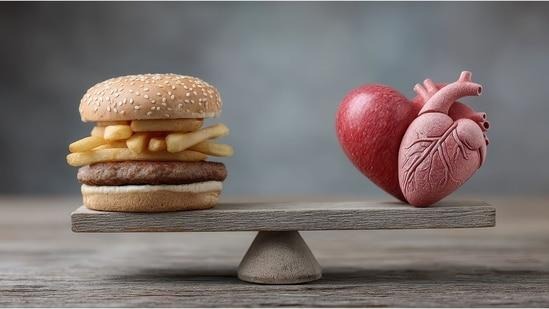
A few thoughtful changes can really make a difference. Dr. Pal talks about five food choices that are bad for your heart and how making small changes to your diet can help your heart work more steadily.
Read also:9 Worst Things That Can Happen If You Workout without Drinking Water
Dr. Pal tells Health Shots that certain combinations of foods are better for the heart than individual foods. Having salt, sugar, or fatty fats all in one meal makes the body have to deal with a lot of extra work all at once, which puts more stress on the blood vessels. For instance, eating a lot of salt and fat at the same time can quickly raise your blood pressure and cholesterol. According to the Journal of Hypertension, the heart has to work harder, circulation gets worse, and artery stress rises. This makes the long-term chance of heart disease higher.
A cardiologist talks about five food groups that are bad for your heart.
- Salty snacks and sweet drinks
The problem is that this combination makes blood sugar and lipids rise quickly, which can make inflammation and insulin resistance worse.
Why you should not: As Dr. Pal points out, it can be especially dangerous for people who are already on the edge of having heart problems.
- Fried foods with thick sauces
Problem: Frying adds trans and saturated fats, and thick recipes add even more saturated fat.
Why you should not: Dr. Pal says that these put extra stress on blood vessels, which raises the risk of getting high blood pressure.
- Canned foods that have processed carbs, such as white bread
Problem: Eating foods that are high in salt along with carbs that are quickly absorbed can cause inflammation and metabolic stress to happen quickly.
Why you should not: Dr. Pal says that this trend can make the heart work harder over time.
- Cheese with smoked or pickled meats
What’s the problem? A mix of thick fatty fat and salt.
Why you should not: Dr. Pal points out that this can raise LDL levels, which makes problems linked to plaque more likely.
- Buns with fries and sugary drinks from fast food
Problem: A mix that raises blood sugar, lipids, and saturated fat all at the same time.
Why you should not: Dr. Pal says that over time, this trend can cause people to gain weight and have higher blood pressure.
Who needs to be extra careful?
Dr. Swarup Swaraj Pal points out three groups of people who should be extra careful:
People who are showing early signs of heart disease, like being tired for no reason, having light chest pain, or having less energy.
If someone in your family has had heart disease, you are more likely to have circulatory stress.
Those who are at risk because of their habits, such as being overweight, under a lot of stress, or not getting enough exercise
Changes that are smart and good for your heart
If you want more steady energy and better heart health, switch from refined carbs to whole grains.
To cut down on sugary drinks, switch to water, herbal tea, or fruit-flavored drinks instead.
To reduce stress on your arteries, swap out high-fat foods for lean meats, beans, and veggies.
Dr. Swarup Swaraj Pal tells you that you don’t have to give up your favorites for good. It’s fine to eat your favorite combinations once every six months, but not every day. To keep your heart healthy, eat lots of fresh fruits and veggies, lean protein, and whole carbs.

I craft sharp movie reviews and trend analysis, known for deep research, clear insights, and compelling storytelling across the latest in film and pop culture.