Deepavali, the festival of lights, is celebrated in India and by Indian communities worldwide, and it has now been officially included in the UNESCO Representative List of the Intangible Cultural Heritage of Humanity. This announcement was made in the current session of the UNESCO Intergovernmental Committee, which is currently held in Delhi for the first time. The listing acknowledges Deepavali as a living cultural tradition enjoyed by generations, offering it a new international status.
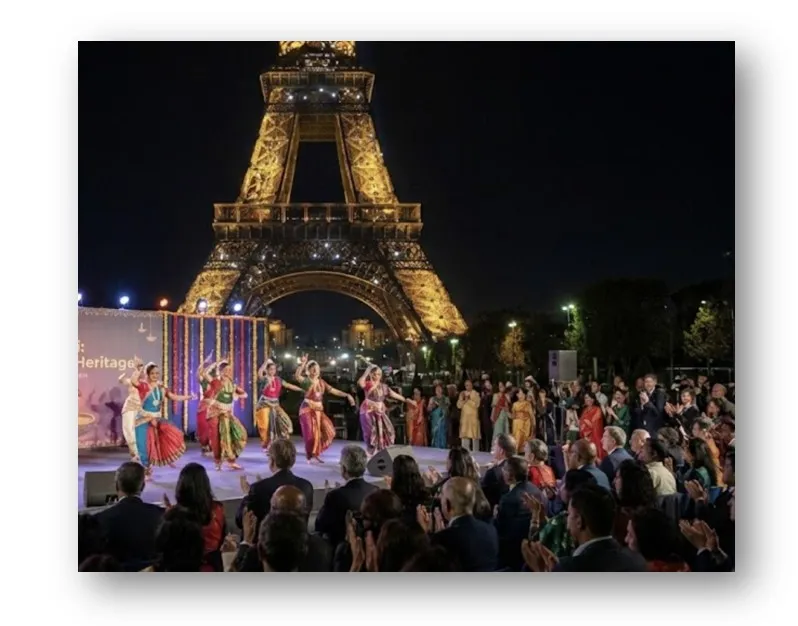
Read more: Which location is renowned as India’s mini-Paris?
India’s Cultural Heritage Count Hits 16India has sixteen elements recognised by UNESCO as intangible heritage, with Deepavali added. Previous inscriptions covered iconic cultural traditions, such as yoga, the ritual festival Durga Puja, the religious-cultural gathering Kumbh Mela, classical arts, folk dances, and traditional rituals. The new listing highlights the fact that UNESCO has recognized the immense emotional, cultural, and social meaning that Deepavali possesses- regardless of its religious origins – as a festival that unites people through common practices, lamps, prayers, and light celebrations.
Why Deepavali Made the Cut
Heritage specialists regard Deepavali as fulfilling several of the specifications set by UNESCO: it is a communal practice, and is popular in various regions and generations, and changes, but does not lose its fundamental meaning. The diversity of the expression of the festival across the areas, such as the lighting of oil lamps (diyas), family events, prayers, decorative lighting, meals shared, community events, performances of the culture, and community show that the festival is an expression of the living heritage and not a fixed ritual. UNESCO also establishes that such intangible traditions are significant to social cohesion, identity, and intergenerational continuity.
National Reaction: Pride and Responsibility
The decision was received with pride by political and cultural leaders. The Prime Minister has termed the listing a day of celebration, and it will help the festival increase its reach internationally. According to Culture Ministry officials, the inclusion was described as historic, and they added that Deepavali is now part of other Indian traditions being recognised internationally on the World Heritage stage. They stressed that the tag UNESCO introduces responsibility to maintain the traditions of the festival, support the celebration process as an inclusive one, and make sure that the culture is maintained to serve the generations to come.
What It Means Going Forward
The international image also creates a new impetus to maintain and encourage the numerous cultural manifestations of Deepavali. The inscription will popularize the festival among the global audience and appreciation of its inclusive and communal nature, as opposed to its religious value.
Greater stimulation can be given to community groups, diaspora organisations, cultural institutions, and local governments to record folk practices or craftsmen’s work (diya-making), regional practices, traditional songs, and family practices related to the festival. To millions of people in India and around the world, the UNESCO honour is further validation of a sense of pride, yet also an imperative to protect the spirit of the festival: as a festival of hope, unity, and light to generations to come.

I am a versatile content writer from the MP region, covering politics, business, crime, current affairs, entertainment, video games, and sports with clear insights, engaging analysis, and timely, reader-focused updates.