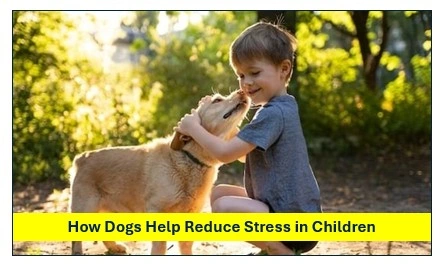

The presence of a dog softens the space around a child. It slows the moment and makes room for a calmer breath. The child adjusts without really thinking about it. This blog looks at the quiet ways dogs help reduce stress in children and how these small moments shape steadier days at home.
How a Dog Reads a Child’s Mood without Being Told
- Dogs pick up on the tone of a child’s voice even when the words themselves sound ordinary. A slight drop in pitch or a tiny crack carries more meaning than the child realises.
- When a child steps away from a game they usually enjoy, the dog senses the shift before anyone else. They drift closer, not to solve anything, but to soften the weight that has settled in the room.
- Dogs also notice the feeling of the space around the child. If the day feels heavy or the child looks worn down, the dog adjusts its pace and presence to match what the child can handle.
- Some dogs settle right beside the child, close enough to be felt. Others choose a quiet spot a few steps away, offering company without overwhelming them.
- Children read this steady presence as safety. They don’t have to explain what they feel. The dog sits nearby, and that alone helps their breathing steady.
How a Dog Shifts a Child’s Stress without Trying
- A child who feels tense often moves in an uneven or hurried way. A dog notices this before the child notices it in themselves. By slowing their own movements, the dog changes the rhythm of the room. The child naturally settles into that softer pace.
- When a child sits with their shoulders tight or their hands restless, a dog often settles against them. The warmth and weight of that quiet presence shifts the moment without a word.
- Touch plays its own part. Running fingers through a dog’s fur or tracing the curve of an ear pulls the child out of their crowded thoughts and back into something simple and grounding.
- Dogs bring a pause into the day that children rarely find elsewhere.
- The dog does not fix the child’s problem. It makes the moment easier to carry, which is often all the child needs to find their balance again.
How Dogs Create Small Moments of Relief in a Child’s Day
- Some children hide their stress by staying busy or keeping their face still, but a dog notices long before anyone else. They wander over quietly, as if checking whether the child needs company.
- When a child drops their backpack and sinks to the floor after a long day, a dog often settles right beside them. Leaning into warm fur slows everything down in a way adults rarely manage.
- On days when the world feels too large or too fast, a child may follow the dog around the house without noticing. Those small steps behind wagging paws give them something steady to focus on while their thoughts find a gentler rhythm.
A dog turns ordinary moments into places where children can reset.
The Long Term Emotional Benefits for Children Who Grow Up with Dogs
Children who grow up with a dog often shape their understanding of comfort around the quiet moments spent beside them and it may start with the dog lifting its head when the child walks in looking tired or settling nearby during a difficult afternoon. These tiny gestures teach the child that support does not need explanations and comfort does not need to be complicated.
As time passes, children begin to observe how the dog moves through the world. They notice when the dog leans in with care or steps back to give room. They learn that feelings settle more easily when met with patience and softness.
This steady presence builds an inner balance. A dog does not rush them or judge them. It simply stays close. Over time, that quiet consistency becomes something the child relies on. Even years later, they carry that same gentle way of responding to stress and to the people around them.
A dog’s calm becomes part of the child’s own emotional footing.
To Conclude
When a child and a dog share a room, the changes are small but steady. A child breathes more deeply, their shoulders ease, and the day becomes softer to hold. The dog does not guide their emotions or try to lift their worries. It simply stays close at the moments when the child needs it most. That quiet companionship pulls the child out of tension and back into themselves.
These small moments add up. They turn into a sense of stability that follows the child as they grow. A dog brings a rhythm into the home that children learn to trust. They feel supported without needing to explain anything. That kind of comfort is rare. By being present in the simplest way, the dog gives the child a place to settle, and that gentle influence shapes calmer, more confident days as they move through the world.

I am a versatile content writer from the MP region, covering politics, business, crime, current affairs, entertainment, video games, and sports with clear insights, engaging analysis, and timely, reader-focused updates.