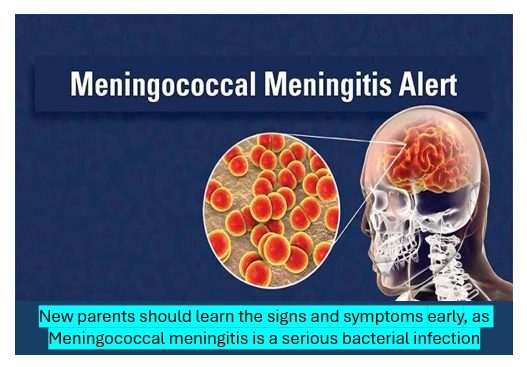

Bacterial infection of the meninges—the protective membranes surrounding the brain and spinal cord—caused by Neisseria meningitides, is known as meningococcal meningitis. This potentially fatal disease can go from mild flu-like symptoms to a life-threatening illness in hours.
The quickest progression from flu-shared illness to meningococcal meningitis occurs in infants and young children. In fact, even with prompt medical attention, serious complications—such as hearing loss, brain damage, limb amputation, or mortality—can result from an infant’s contraction of meningococcal meningitis.
Why Infants Have A Higher Risk Of Contracting Meningococcal Meningitis?
Developing immune systems in infants means that they have a more difficult time fighting off the invasive bacteria associated with meningococcal meningitis. Meningococcal meningitis is most frequently transmitted through respiratory droplets via the air—coughing, sneezing, kissing, or close contact.
Among the many risk factors that can increase a child’s likelihood of contracting this serious disease are:
- living in confined places
- being in contact with others who have the infection
- community-wide outbreaks of the disease
- not having received all of the required vaccinations
New parents must be especially vigilant about their infants’ safety during the first year of life because, until immunizations can be given, they rely on maternal antibodies and childhood vaccinations for protection against infections.
One of the biggest dangers of meningococcal meningitis is the rapid rate at which an individual develops symptoms. Symptoms can appear quite similar to those of a cold or flu early on.
In infants, watch for:
- High fever
- Excessive crying or irritability
- Poor feeding
- Vomiting
- Bulging soft spot (fontanelle) on the head
- Unusual sleepiness or difficulty waking
- Stiff body or jerky movements
- A rash that does not fade when pressed
If your child is showing any of these signs – including a fever – then get them to an emergency department as fast as you can. Rapid administration of antibiotics is essential in this case.
The Rash that Should Alarm Parents
The hallmark of a meningococcal infection is a non-blanching rash, which consists of small red or purple spots (petechiae) that remain discolored when pressed with a clear glass. This could indicate that the baby has septicemia (blood infection), which is a medical emergency. Not all babies have a rash, but if your baby does not have one that won’t prevent you from getting meningococcus infection.
Vaccination: Your Greatest Tool for Protection
Meningococcal diseases are controllable by vaccines. Many pediatricians will suggest that you get your child vaccinated against all forms of meningococcal bacteria (A, C, W, Y and sometimes B depending on the guidelines for your area).
There are different vaccination schedules in each country, but all vaccination schedules typically include:
- Routine infant vaccination (in some areas)
- Booster dose at adolescence – as children mature, they lose some of the protection from the first vaccine; hence, they will need to be re-vaccinated around age 16.
- As needed immunization – Children do not always start full immunization schedules and may require follow up vaccinations.
- It is important for parents to talk to their pediatricians about their child’s immunization schedule and ensure that they are vaccinated on time.
What Should You Do if Someone in Your Family has been Exposed to Meningococcal Bacteria?
All members of your family who have been in close contact with a person that has been diagnosed with meningococcal infection may be given preventive antibiotics by their doctor or health care provider to prevent the spread of the bacteria.
In the event of an outbreak of meningococcal disease in a daycare or community, quick communication between parents and Health Departments is essential.
Long-Term Impact on Survivors
Even with quick treatment, there may still be problems from meningococcal meningitis that will persist throughout life. These include
- Hearing loss
- Learning disabilities
- Seizures
- Damage to the limbs
- Delays in development
Early intervention programs may assist children with meningococcal meningitis in reaching their developmental milestones. However, prevention is much better than treatment.
When to Call an Ambulance?
Call an ambulance right away if your child has:
- high fever with unusual sleepiness
- a stiff neck
- seizures
- purple rash spreading over body
- difficulty breathing
- cold hands and feet with pale or mottled skin
Trust your gut feelings – if your child looks very ill or not acting right .
About Meningococcal Meningitis
Although meningococcal meningitis can be rare, it is a serious and rapidly evolving illness. Recognizing the symptoms early and ensuring that your child receives all of their vaccines are the best ways to minimize the chance of getting meningococcal meningitis. Parents’ best course of action is to stay educated and take immediate action upon recognizing any of the symptoms associated with the illness, as hours can make all the difference when it comes to finding a resolution. Regular visits to their paediatrician’s office are also an important part of a child’s health.

A versatile writer mainly works on trending news, daily updates from politics, business, crime, current affairs and entertainment.