
India has been shaken once again by heartbreaking news—children, some as young as nine, ending their lives because they felt nobody could save them. A Class 4 student in Jaipur jumped off a school building. A 16-year-old in Delhi stepped in front of a metro. A Class 11 student in Madhya Pradesh died by suicide at home. A 14-year-old in rural Rajasthan was found hanging from a tree.
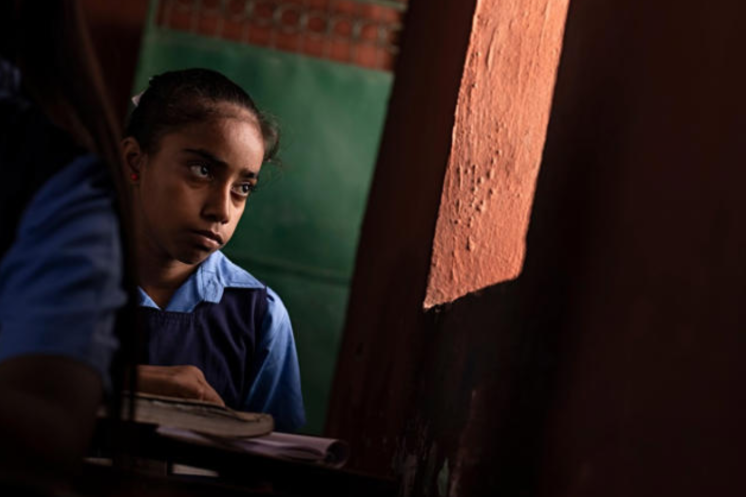
Different states, different ages, different circumstances—but one chilling thread connects these tragedies: bullying, helplessness, and unheard cries for help.
In each case, the children tried to reach out. They mentioned bullying, humiliation, or mental harassment. Some wrote notes. Some told their teachers or parents. But help didn’t reach them in time. And India is now seeing a pattern that cannot be ignored.
Also Read Latest Published–
- A man in Tokyo hides his wife’s $3.8 million lottery win while living in style
- What do teens need most from their parents?
What pushes a child to such an extreme step?
Student suicides in India have been rising steadily for years, but recent incidents have forced us to ask deeper questions.
What does a nine-year-old understand about life and death?
How much pain must a child feel before they see suicide as the only escape?
How does bullying impact a developing brain so severely that it leads to planned attempts or suicide notes?
Science gives us part of the answer. A large global analysis of more than 1.2 lakh adolescents from 41 low- and middle-income countries found a direct, strong link between bullying and suicide attempts. The more frequent the bullying, the higher the risk. Bullying based on religion, race, sex, or body image had an even stronger connection. And sleep deprivation—common among stressed children—was found to partly explain the increased risk of suicidal behaviour.
But beyond research and statistics lies a simple truth: Children are hurting in silence.
When a child thinks about suicide: What does it really mean?
We often assume that children cry, act out, or show anger when they are struggling. That was true once. Not anymore.
Today’s children hide emotions behind screens. They withdraw, keep things to themselves, or appear “quiet” and “well-behaved,” which adults often misread as normal.
Psychologist Moitrayee Das says many early warning signs go unnoticed because they’re subtle and easy to dismiss—
• avoiding school
• sudden irritability
• changes in appetite
• unexplained headaches
• extreme perfectionism
• staying unusually detached from family or friends
Parents may call these “phases,” “tantrums,” or “growing up,” but often, these are early cries for help.
Life today doesn’t make it easier.
Families are busy. Academic pressure is constant. Screen time replaces real conversations. And when bullying enters this fragile emotional landscape, it destroys a child’s sense of safety.
For a young child, especially under 10, death is not fully understood. They may not grasp its permanence, but they fully feel shame, fear, hopelessness, and emotional pain. Their brains are still developing impulse control. When the emotional storm becomes too big, suicide may look like “escape,” not loss.
This is exactly why early intervention is so crucial. As Das notes, adults must notice changes, validate emotions, ask gentle questions, and create a safe environment long before a crisis emerges.
Children need tools to name their feelings, cope with distress, and express vulnerability without fear of punishment or judgment.
Can we stop the rising wave of student suicides? Yes—but it requires all of us.
Research shows that strong peer support, family bonding, and school environments with clear anti-bullying systems dramatically reduce suicide attempts, even for children who experience bullying. Schools with accessible mental-health support see significantly fewer cases of suicidal ideation.
But for this to work, parents and teachers must treat emotional safety as seriously as academic performance.
Moitrayee Das explains that this means:
• creating open conversations at home and school
• responding with understanding instead of punishment
• taking every emotional concern seriously
• recognising stress early
• teaching children that mistakes and setbacks are not failures, but part of life
When a child feels seen, heard, and valued—not just for achievements, but for who they are—their emotional resilience strengthens.
Schools must also step up. Strict anti-bullying policies, mental-health awareness, accessible counsellors, and reduced academic overload should not be optional—they must be essential.
Communities too have a role: providing safe spaces to play, mentoring opportunities, and socially inclusive environments where no child feels isolated or invisible.
A nine-year-old should be dreaming—not giving up.
These tragedies are not simply news events. They are warning signs.
They tell us that we are missing something vital about our children’s emotional worlds.
They tell us that bullying is not “normal” school behaviour—it is a silent weapon that kills slowly.
And they tell us that it’s time for India to build a culture where children feel protected, understood, and supported—not judged, dismissed, or ignored.
Every child deserves a life where they feel safe enough to stay alive.
It’s our responsibility—as parents, teachers, communities, and a nation—to make sure they get it.

I craft sharp movie reviews and trend analysis, known for deep research, clear insights, and compelling storytelling across the latest in film and pop culture.









