
As a result of the current crisis in West Asia and its impact on global LPG supplies, the Indian government has stepped up efforts to make the country’s energy supply more reliable. On Friday, sources said that a high-level government group is thinking about putting ethanol on a large scale as an alternative fuel for business use. India can now make more than 2 billion litres of ethanol per year. The move from the fuel tank to the cooking pan is seen as a big deal for street sellers, small restaurants, and the hotel industry as a whole.
How does the economy of ethanol compare to that of regular LPG?
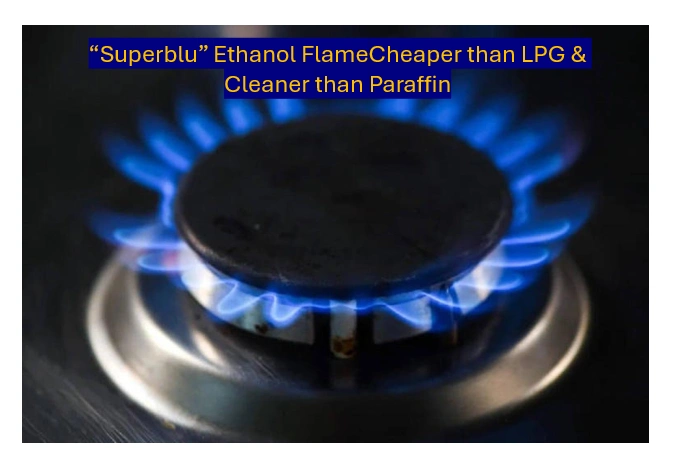
Modern ethanol-based “Superblu” stoves are so efficient that they are the main reason for this move. Based on technical tests, one litre of ethanol can provide high-intensity heat for fifteen hours. But a normal commercial LPG tank needs a complicated, compressed chain of transport. But ethanol is a liquid that can be kept in simple, non-pressurized containers. This high burn rate lets small sellers run for several days on a single tank of fuel, which cuts down on the “dead weight” of transporting fuel by a large amount.
Also, ethanol burns with a clean, blue, odourless light that is about the same in terms of how many calories it produces as LPG but better at getting rid of smoke. This change not only lowers costs for a street seller or a small restaurant that works in a small area, it also makes the working environment much better by getting rid of the harmful particles that are often found in oil or other traditional biomass options.
Can ethanol really cut the costs of running a street vending business?
For India’s 10 million small food businesses, fuel is often the second most expensive thing they need to run their businesses, after raw materials. Due to unstable political situations, commercial LPG prices are currently around Rs 103 per kg. The government’s suggested price for ethanol, which is estimated to be around Rs 70 per kg, will immediately lower fuel costs by 30%. These savings could mean a big jump in monthly take-home pay for a roadside dhaba or a food cart that moves around.
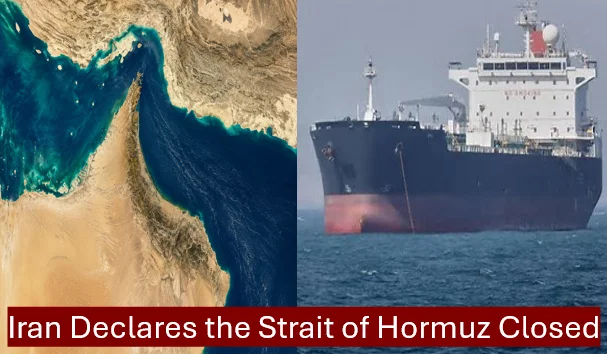
The fact that ethanol production is “Atmanirbhar,” or self-sufficient, also helps keep prices stable. Since ethanol is made from local sugarcane and corn, its price is not tied to the volatile price of Brent crude oil or the safety of the Strait of Hormuz. The government wants to protect the micro-food economy from price spikes that have been happening since fighting in West Asia got worse in March 2026 by giving it a fixed-cost fuel source.
read also
- Government Pushes Major Shift to PNG as LPG Supply
- LPG Supply Relief- BW Tyr Reaches Mumbai After Tough Hormuz
- LPG or Induction: Which Is the Cheaper Option for Cooking?
What are the challenges for safety and getting things done during this transition?
Even though the benefits are clear, switching to ethanol for cooking requires strong rules. The Bureau of Indian Standards (BIS) and the Petroleum and Explosives Safety Organization (PESO) are working together to finish making the safety rules for ethanol stoves official. Unlike LPG, which is under pressure and can explode if it leaks, ethanol is a liquid that can catch fire easily and must be handled carefully to avoid spills and fires.
In terms of logistics, the government wants to use the machinery that is already in place for mixing ethanol. Since the E20 requirement is already in place across the country, it would not be hard to set up an alternative delivery network for “Cooking Grade Ethanol.” The Petroleum, Road Transport, and Agriculture Ministries are on the ministerial group that is writing its final report. The main question that everyone is still thinking about is whether a national “Ethanol Clean Cooking Mission” can help businesses the way the Ujjwala system helped families.

I am a versatile content writer from the MP region, covering politics, business, crime, current affairs, entertainment, video games, and sports with clear insights, engaging analysis, and timely, reader-focused updates.