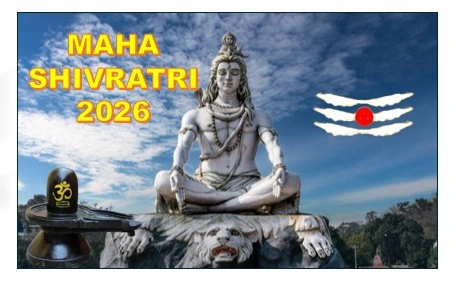

The concept of Shiva is that he represents the idea of “detachedness”, renunciation and strength from within. Devotees of Shiva can use this opportunity during “Mahashivratri” to detach themselves from negativity, ego and ignorance. The chant of “Om Namah Shivaya” is thought by many to have the ability to calm one’s mind and provide awakening to one’s spiritual energy.
This is reflected in the “Shivling” itself as it represents an infinite universe and the balance of male and female energies.
There are many different legends that all provide insight into why this night is so important. One of the most popular legends is the belief that this was the night on which Shri “Shiva” conducted the cosmic dance of “Tandava” representing creation, preservation and destruction. Another well known story is that this is the night of the “Divine Marriage” of Lord Shiva and Goddess Parvati, representing the union between consciousness and energy.
According to the “Puranas,” it is also widely believed that this was the night when Lord Shiva manifested as “Jyotirlinga” (infinite pillar of light), demonstrating his superiority over all other deities.
Significance of “Mahashivratri” – Why This Night Is So Important To Worshippers of Lord Shiva
“Mahashivratri” (meaning, “The Great Night of Lord Shiva”) is one of the most spiritually significant Hindu festivals observed every year during Chaturdashi (fourteenth) day of “Krishna Paksha” (waxing phase) of month of “Phalgun” (February/March). It is a celebration of devotion towards or honouring of God.
Mahashivratri 2026: Date According to Hindu Panchang
According to the Hindu lunar calendar (Phalguna month, Krishna Paksha Chaturdashi):
- Chaturdashi Tithi Begins: 15 February 2026 at 5:04 PM
- Chaturdashi Tithi Ends: 16 February 2026 at 5:34 PM
This means that the ritual night of Mahashivratri will be observed from February 15 through to February 16, 2026.
The majority of the more traditional Panchangs declare February 15, 2026 to be the Mahashivratri festival night since most of the worship associated with key worship and Nishita Kaal (midnight) occurs on this Chaturdashi night. Therefore, fasting (vrat) is also carried out on this day with parana (breaking fast) happening on February 16, 2026.
- First Prahar: 6:11 PM to 9:23 PM (15 Feb)
- Second Prahar: 9:23 PM to 12:35 AM
- Third Prahar: 12:35 AM to 3:47 AM
- Fourth Prahar: 3:47 AM to 6:59 AM (16 Feb)
- Nishita Kaal — the Most Auspicious Moment
- Typically around midnight (12 AM to 1 AM) — this is believed to be the peak spiritual time for Shiva worship.
Parana (Fast-Breaking Time)
On 16 February 2026, after morning auspicious time, devotees break the fast (parana) typically between 6:30 AM and 3:10 PM.
World’s Largest Shivling Reaches Bihar After Historic 2,500 km Journey
The Tithi as Relevant to Mahashivratri:
The beginning of Mahashivratri tithi will be on the night of February 15, 2026 and continue into February 16. In Hindu tradition, tithi dates are calculated using lunar calendars and not from sunrise to sunset. Due to this, the night of February 15 is considered the official celebration, even though the tithi is carried over until the following day.
Meaning of the Rituals Associated with Mahashivratri:
The panchang tradition places much importance on maintaining the vigil during the night-time activities, which includes worship, chanting (“Om Namah Shiva”), performing abhisheks (ritually bathing the shivalingam), observing silence, and meditating. Many Hindus consider staying awake throughout the night to be a form of spiritual cleansing and to receive merit.
Mahashivratri in Modern Times
This year, the Mahashivratri festival is being celebrated this day across India and in Hindu communities worldwide. Many places will hold large congregations, including temples such as Kashi Vishwanath in Varanasi, Somnath, and Kedarnath. However, the festival is more than just about doing rituals — the principles of discipline, mindfulness, and devotion that this festival represents are just as applicable today as ever before.
Mahashivratri is a spiritual celebration that embodies a night of spiritual awakening. It calls upon followers of Shiva to transform themselves, exercise self-discipline, and reach a higher level of consciousness through their devotion to the deity.
Summary of Relevant Dates for Devotees:
Mahashivratri 2026: Sunday, February 15, 2026 (evening through night): Fasting Begins: On the evening of February 15, 2026; break your fast (parana) on the morning/afternoon of February 16, 2026. Worship Timing: Tithi observations on the evening of February 15 through the early morning of February 16, especially at midnight (Nishita Kaal). The significance of Mahashivratri is based on the Chaturdashi Tithi and the dedicated devotion to Lord Shiva through night-long activity.

I am a versatile content writer from the MP region, covering politics, business, crime, current affairs, entertainment, video games, and sports with clear insights, engaging analysis, and timely, reader-focused updates.









