If you haven’t been following India’s competitive gaming journey, you are missing the biggest sporting story of the decade. The year 2025 marked the definitive turning point where Indian esports transitioned from a promising, fast-growing niche to a nationally acknowledged cultural, economic, and sporting force. This wasn’t just about big prize pools; it was about policy, global recognition, and, finally, dominance.
The Cornerstone: Policy and Legitimacy
The foundation for this leap was a single, monumental piece of legislation. The implementation of the Promotion and Regulation of Online Gaming Act (PROGA) 2025 provided the long-awaited institutional clarity the industry desperately needed.
Crucially, the government’s decision to formally extend cash incentives to esports medalists—placing them on par with traditional athletes—was a cultural watershed moment. This action legitimized competitive gaming as a viable career path in the eyes of parents, educational institutions, and corporate India. The formal inclusion of esports in the Khelo India Youth Games further cemented its status, driving grassroots participation in Tier-2 and Tier-3 cities and establishing a genuine national talent pipeline.
Global Victories and Historic Firsts
The legislative support was instantly matched by unprecedented international success, proving the depth of Indian talent:
- India’s First World Champion: The nation celebrated a historic moment when Ved Bamb secured India’s first-ever individual esports world title by winning the Pokémon GO World Championship. This victory announced India’s arrival on the international stage across diverse gaming genres.
- S8UL’s Reign Continues: The organization S8UL cemented its status as a global powerhouse. They secured their fourth consecutive ‘Esports Content Group of the Year’ award at the prestigious Esports Awards 2025, and co-founder Animesh Agarwal became the first Indian to win ‘Esports Personality of the Year.’ Their selection as a Club Partner for the Esports World Cup (EWC) 2025 was a symbolic nod to India’s global relevance.
- NODWIN’s Global Footprint: India’s leading esports operator, NODWIN Gaming, scaled up its international ambition by acquiring the fighting game tournament Evo and the international broadcaster StarLadder, making India a key orchestrator of global esports events.
The Homegrown Ecosystem Explodes
Domestically, the scale of tournaments and audience engagement shattered all previous records.
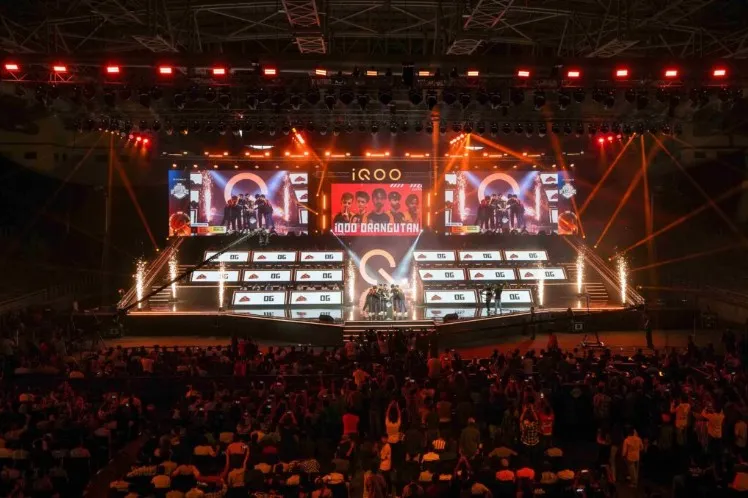
- Mega-Events on Television: Tournaments like the Battlegrounds Mobile India Masters Series (BGMS) returned to national television with massive viewership, alongside the Snapdragon Pro Series (SPS) Season 6 and Valorant Challengers South Asia (VCSA), both boasting ₹1 crore prize pools.
- New Horizons: The industry rapidly diversified. S8UL became the first Indian organization to sign Chess Grandmasters, bridging the gap between digital and traditional strategy games. Simultaneously, the launch of India’s first Fighting Game Community (FGC) Talent Hunt Program showed a commitment to nurturing niche competitive scenes.
Akshat Rathee, Co-founder of NODWIN Gaming, summed up the year perfectly: “2025 has been the year India truly legitimized gaming and esports as a sport, a career, and a creative industry. For the first time, esports is being treated at par with traditional sports…”
With structural reforms in place, rising global recognition, increasing brand confidence, and surging grassroots participation, 2025 will be remembered as the year India stopped chasing acceptance and started shaping the future of global esports. The foundation for dominance has been laid, and the gaming world is finally watching.

I am a passionate content writer from the Chandigarh–Panchkula region. I am curious and love exploring diverse topics. At DailyBarta.in, I primarily write about video games and sports, bringing readers fresh insights, engaging analysis, and easy-to-understand breakdowns of the latest trends.