
Indian has one of the biggest and most diverse native communities in the world. It is home to more than 700 officially recognized Scheduled Tribes, who live in woods, hills, plains, and islands. Because of their strong ties to land, nature, and shared history, these towns have some of the oldest cultures still alive in the country. That sounds interesting, right?
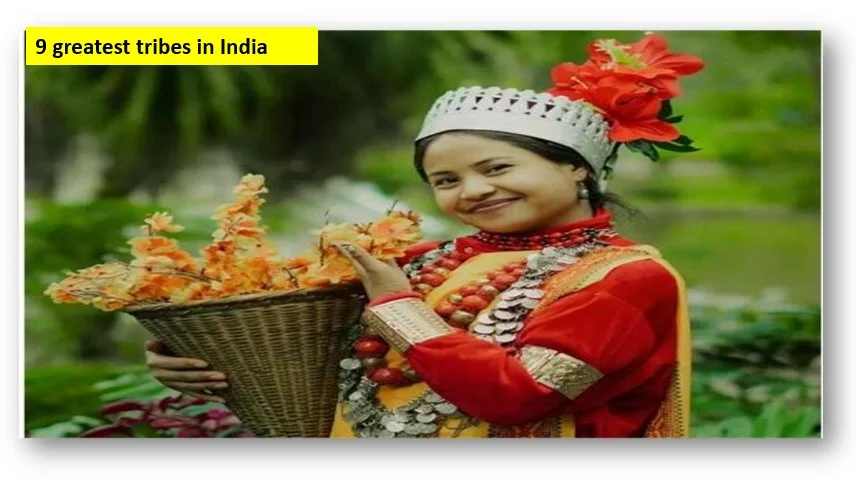
These groups stand out because they have a lot of members and their culture has been around for a long time. From the Bhils who live in the forests of western India to the Khasi people who live in Meghalaya, these tribal groups have kept their own languages, social systems, art forms, and spiritual practices alive even though a lot has changed over the centuries. They have no way to stop.
No direct relation between higher AQI and lung diseases, says Centre
Bhil
The Bhils live in parts of Chhattisgarh, Rajasthan, Madhya Pradesh, Gujarat, Maharashtra, and other states. They are India’s largest tribal group and live mostly in western and central India, mostly in hills and forested areas. It’s interesting to learn that nature worship is a big part of Bhil society. In the past, people honored neighborhood gods, wild spirits, and relatives instead of big gods who lived in temples. Did you know that the Bhils were famous for being great hunters and warriors? You now know. Pithora drawing is what the Bhils are known for when it comes to their culture. Invoking gods for wealth and safety is what this traditional wall art is all about.
Here is a better look at nine of India’s biggest tribal groups, including where they live and the unique traditions that make up their way of life.
Gond
The Gonds mostly come from the states of Andhra Pradesh, Chhattisgarh, Maharashtra, Odisha, and Telangana. Before the Mughal era, they were in charge of large parts of central India through strong Gond states. People in the Gond towns in India still use a complicated system of group totems that are often connected to animals, plants, or natural things. Nature is very important to the Gond people. People believe it is holy, and many ceremonies take place in woods, rivers, and hills.
Santhal
People from the Santhal family live in Assam, Bihar, West Bengal, Odisha, and Jharkhand. They are well-known as one of the best organized and culturally unique tribal groups in eastern India. A Manjhi (village chief) leads a traditional village council that runs the Santhal society. People perform the Santhal dance during celebrations and harvest times, with drums like the tamak and tumda playing in the background.
Meena
The biggest group of Scheduled Tribes in Rajasthan are the Meenas. They live mostly in Rajasthan, especially in the Jaipur, Sawai Madhopur, and Karauli areas. In pre-colonial Rajasthan, they did farming and were also fighters and government officials. Clan loyalty is very important to the Meenas, and they don’t allow anyone from the same clan to marry someone from another group.
Oraon in Kurukh
A lot of the Oraons come from Chattisgarh, Odisha, West Bengal, and Madhya Pradesh. Their strong farming customs and organized town life make them stand out. Worshiping Dharmes, the great spirit, and other nature gods is an important part of their unique culture. Most of the action takes place at the Akhra, which means “community dancing ground.” This is also where young people take part in traditional dances and dating practices. Travelers who are interested in culture shouldn’t miss this opportunity.
Munda
People from the Munda group were very active in native resistance activities against British rule. They were mostly from Jharkhand, Odisha, West Bengal, and some parts of Chhattisgarh. Their unique cultural practices are based on the Khuntkatti system, which is an old way of owning land together through family ties. Sacred woods and family spirits are important to their religion, which is part of the Sarna heritage.
Bodo
The Bodis are the biggest plains group in Northeast India. They live in Assam, especially in the Bodoland Territorial Region. Their unique traditional practices are based on farming, especially growing rice. Bathou, their traditional religion, worships nature. The Bwisagu event, which happens every year around this time, is an occasion for dancing, singing, and getting together with other people.
Ho
Most of the Hos come from Jharkhand and northern Odisha. Some of the most important things in life for the Ho are keeping the town together and honoring ones who have died. They are lively and social, and most people do them at wedding and harvest ceremonies.
Khasi
The Khasi are one of the biggest matrilineal tribe groups in the world. They live in the state of Meghalaya in northeast India. You read that right. According to tradition, the youngest girl, called the Khadduh, is in charge of the family property after her parents die. She is also the heir to the family bloodline. Niam Khasi, a local religion based on unity between people, nature, and the divine, has always been at the center of Khasi spiritual life. People are very careful to protect sacred woods because they are important to their culture and society.

A versatile writer mainly works on trending news, daily updates from politics, business, crime, current affairs and entertainment.









