The travel schedules of several thousand air passengers were thrown into disarray recently after IndiGo, the largest Indian airline, experienced what appears to be an unprecedented operational meltdown that left people scrambling and sweating with mass cancellations as well as substantial delays. After days of seething public anger and regulatory action, the airline’s chairman, Vikram Singh Mehta, expressed a blunt, unqualified apology saying that the airline had let down its people.
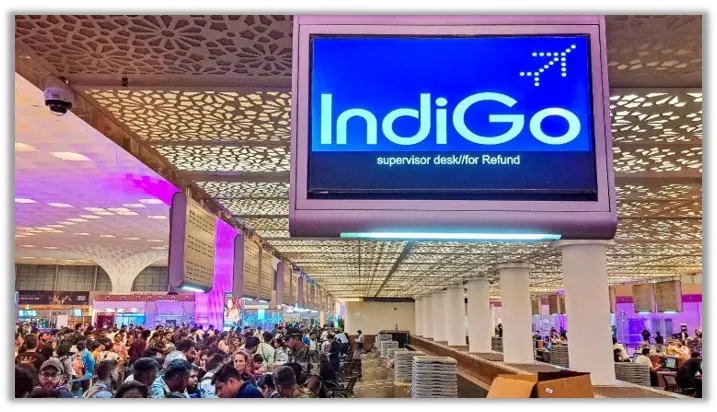
It was a rare moment of necessary corporate accountability in the (runs on precedent) fumbling to restore order from CEO Pieter Elbers’ team during the initial scramble. It also not only apologized profusely for the turmoil that it put its customers through emotionally and logistically, but tried to explain some of the labyrinthine, multiplying factors that led to the crisis — a crisis the airline still insists was not premeditated.
The Unconditional Apology: Recognizing the Personal Toll
In his speech, Chairman Mehta did not avoid the agony inflicted, confessing that the airline had “let you down”. It was more than a sterile corporate release; it was a personal recognition of the holiday gatherings missed, the business deals that didn’t come through and broken transcontinental ties travellers had to bear.
We want to say, in the simplest and most direct terms. We apologize, ” Mehta said, in the closest thing to a contrite tone to come through from a company hoping to rebuild credibility after a major stumble. He said the board had intentionally postponed his statement so that immediate operational recovery could take place in conjunction with the management. With some level of stability now restored to the network (it’s flying over 1900 flights across its entire network of all 138 destination names), the emphasis is switching from reacting to resolving.
The apology was important, but the airline’s road to redemption is nothing but a series of future promises. For this, Mehta informed about an ”extensive investigation with technical experts from exterior” which, he said, will help management and board. We still have to pound this failure from all angles and make sure that we do whatever it takes to avoid this kind of disruption.
Unspooling the Disruptions: The Confluence of Compounding Crises
The crisis was not a single event. The extraordinary disruption, according to the official response from the airline and clarification by Chairman was informed “by an unfortunate and unforeseeable confluence” of a number of factors, both internal and external. Mehta also directly responded to and denied the rampant speculation over whether the airline masterminded the mayhem just to get around or put pressure on recent government rules – something Mehta said was “incorrect.”
This is what IndiGo identified as the key factors contributing to the epic breakdown in its operations:
New regulatory Requirements (FDTL) – was at the centre of introducing DGCA’s new Flight Duty Time Limitations (FDTL) – aimed at preventing pilot fatigue. These rules considerably extended the obligatory weekly periods of rest and reduced night-duty flying, especially by a reduction in the number of nocturnal landings. IndiGo, being the most exposed—with its high-utilisation and cost-effective model—was first hit by it, immediately depleting crew strength.
Planning mistakes + zero buffer While the company was within the new FDTL rules, and could have probably worked with a slight expansion in crew roster it had been reliant on historically very tight crews which gave no slack operationally. The new flight and duty regulations revealed a critical failure in due diligence relating to provisions that require proactive resource planning, or providing with the help they need.– article(s) – imply the airline didn’t staff-up enough pilots despite knowing these changes were around the corner.
External and Seasonal Stressors: Beyond its internal pressures were the predictable yet formidable events of an external sort. These included planned shifts in anticipation of the onset of the winter season, typically resulting in increased volumes. Adverse weather, which led to delays and increased congestion in the larger aviation system, together with the mounting initial delays, resulted in a domino effect throughout our system.
Minor technical glitches: Not the primary culprit but “little hick ups” at some congestion airports were adding to an already precarious operational balance, throwing the system over the edge.

A versatile writer mainly works on trending news, daily updates from politics, business, crime, current affairs and entertainment.