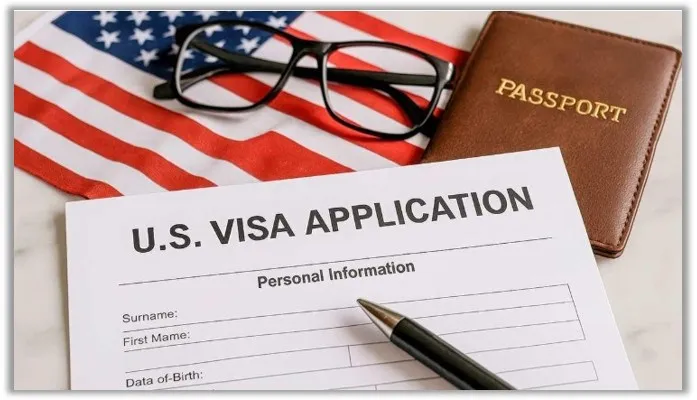
The process of obtaining a US tourist visa or travel authorization is in the midst of a digital revolution. The application process for years had been more centered around what might be considered the traditional data points — employment, financial status and travel history. But five years’ worth of an applicant’s social media dust is now set to become a vital and obligatory part of the security vet.
Rules of this kind also have been a condition for persons in several long-term and immigrant visa categories since 2019, but now are being expanded or proposed to cover an even greater number of global visitors — including people from some countries that generally did not need visas. According to the US Department of Homeland Security (DHS), the overall objective is to improve vetting standards and national security by obtaining a more comprehensive understanding of an individual’s identity and purpose.
Casting the Digital Net Wider: From Visa Applicants to ESTA Travellers
The demand for a full digital history isn’t entirely novel when it comes to US visas. Those applying for immigrant and non-immigrant visas (including tourist or student visa applicants) alike have been required since June 2019 to list the usersnames or handles they have used on certain social media platforms in the five years prior when completing the DS-160 application form.
The new development: US Customs and Border Protection (CBP) is now proposing to indeed require social media information for ESTA applicants.
What is ESTA? It’s an automated system that millions of tourists and business visitors from VWP countries (such as the UK, France, Germany, Australia and South Korea) use to enter the US. These visitors can travel to the US for up to 90 days without the need for a traditional visa.
The Proposal: Under the proposal, those applying for an ESTA would also be required to list five years of social media history and fifteen additional “high value data fields,” including:
- Phonenumbers used in the past 5 years
- Email works from 10 years ago.
- Specific of immediate family members.
- Potential requests for biometric data.
That expansion will mean nearly all noncitizens traveling to the US for tourism or short-term business, regardless of whether they must obtain a full visa or are merely authorized through ESTA, will soon be subjected to this intensive digital screening.
What is disclosure and why do I have to do it?
Those applying are not asked for their passwords and the US government is not trying to bypass privacy protections. Instead, they are asked to list all social media handles or identifiers (usernames) they’ve ever used on certain platforms. Platforms offered on visa application forms (DS-160) vary, but usually they contain a long list of them, for example:
- Twitter (X)
- YouTube
- Tumblr
And countless other types of platforms, including ones that are more region-specific (like Douban or VKontakte).
The big paddle of a fly swatter that is inspiring the data gathering in question is national security. This information is used by the US government for:
Identity Resolution: Confirming the identity of the applicant and validating that activity described in the application matches their online persona.
Contextual Vetting: Scrubbing out content which may indicate an individual is ineligible for a visa under US law, such as terrorist activity or security threats.
The State Department has emphasized that a visa is a “privilege, not a right,” and that every visa determination is made in the name of national security. By mandating the requirement, the government can use an applicant’s failure to provide this information against them by inferring negatively from the absence of the evidence and then deny a visa or establish future ineligibility.

A versatile writer mainly works on trending news, daily updates from politics, business, crime, current affairs and entertainment.