A senior United States trade mission is in New Delhi this week to rejuvenate talks on trade, tariffs and market access, and both camps show reserved optimism that a potential framework agreement would be reached within months. The visit will be the most important point of contact since the change of political leadership in Washington, and is timed when both nations are reconsidering their economic relationship strategies.
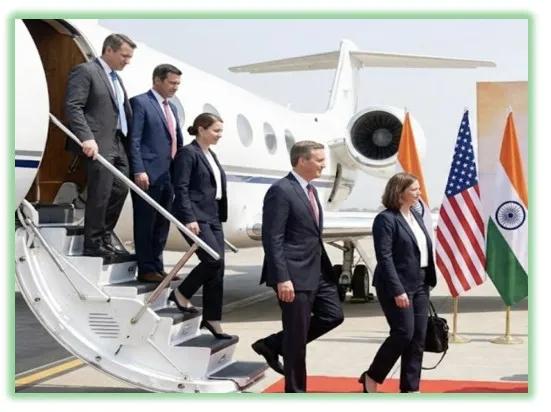
Trade Negotiations Resume After Long Pause
The representatives of the Office of the U.S. Trade Representative and the Indian Commerce Ministry should discuss tariff reductions, agricultural trade, digital trade regulations, and the entry of American firms into major Indian industries. Negotiations were resumed earlier this year, but were derailed by elections and a lack of economic confidence in the world economy. The new team will be a new attempt to restart the momentum which was previously lost following years of tariff disputes that affected bilateral flows.
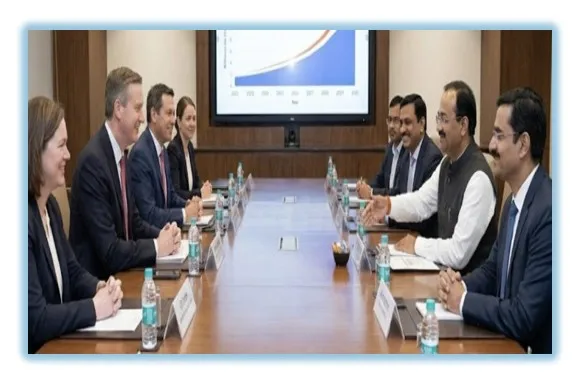
Negotiators indicate that the focus should be on reducing the gaps on tariff issues and finding areas that quick deals can be achieved and not through a sweeping deal.
Tariffs and Market Access Remain Core Issues
The issue of access to the market, especially of agricultural goods, pharmaceuticals, and technology equipment, is one of the main points of tension. India has sought the reconstitution of supplementary tariffs on certain commodities, and the U.S. has demanded enhanced access for American farm products, milk, and top-level technology exports.
The regulations of digital taxation, the localisation of data will also be the agenda, as Washington aggressively urges the measures containing restrictions on international technology companies. Indian officials insist that the new regulations are the result of the need to protect consumers and ensure data sovereignty.
Strategic Context Shapes Negotiations
Trade talks are taking place in a broader geopolitical context, where Washington considers India a key ally in global supply-chain diversification. New Delhi, in its turn views the relationship as the key to its own goal of growing high-value exports and attracting high-tech manufacturing investment.
Diplomatic analysts feel that the visit of the trade delegation can be used to signal stability in U.S.-India relations, especially following the disagreement over the technology embargo and energy purchases. The two capitals have on multiple occasions insisted that trade cannot be affected by bigger geopolitical swings.
Slow but Gradual Movement Toward Deal
According to officials involved in the talks, expectations for a comprehensive trade agreement are not high in the short run. Rather, negotiators are headed towards a gradual process, which includes specific tariff modifications and regulatory collaboration. It is more realistic to make incremental progress amid diverse unresolved issues.
Large business coalitions have asked both governments to accelerate collaboration in emerging sectors such as electric vehicle production, defence supply chains, and e-commerce control, which can improve even small products and rapidly increase business prospects.
Trade Relationship Still Considered Strong
Despite frequent differences, bilateral trade between India and the United States has been increasing steadily over the past ten years. Thus, the U.S. is India’s most important trading partner. Although negotiators do not deny the structural differences, both sides of the debate feel they have greater political consensus and economic incentives to proceed.
To date, the visiting delegation will conduct several sessions with Indian authorities and industry organizations, and both parties will release statements later this week detailing areas of progress.

I craft sharp movie reviews and trend analysis, known for deep research, clear insights, and compelling storytelling across the latest in film and pop culture.