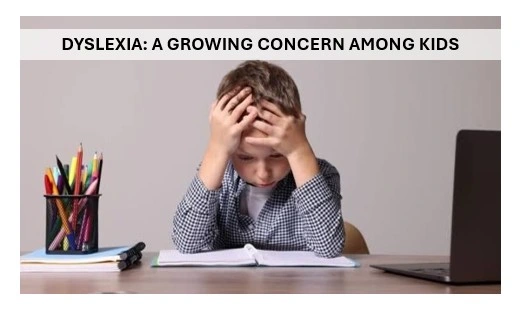

Dyslexia is a developmental learning disability characterized by the impairments of reading, spelling, and language processing. The popular belief that it is related to someone’s level of intelligence is incorrect. Those with dyslexia often struggle with different aspects of word recognition (decoding) as well as being able to read fluently and recognize different patterns associated with written letters, even if those with dyslexia possess average or higher than average levels of intelligence. As previously thought of as a “childhood” problem, dyslexia is now being diagnosed more frequently in adults throughout the world.
In the last several years, there has been a growing number of dyslexia diagnoses throughout the world primarily because educators, parents, and medical professionals are becoming more aware of dyslexia as a learning disability. Additionally, the rise in early identification and intervention programs in schools along with better tools for diagnosing individuals have helped to identify those with dyslexia at a younger age; however, many adults continue to be diagnosed later in their lives after years of unexplainable academic failure and professional difficulties.
Impact on Children and Education
Dyslexia can have a profound impact on older kids (those of school age). It may cause challenges at school as well as problems with self-esteem and confidence. When children struggle with reading and writing, the result may be frustration, anxiety and low self-esteem. If they do not receive assistance before they reach adolescence, the difficulties will likely continue and children with dyslexia will likely fall behind their peers in terms of academic progress.
As less focus is placed on traditional models of teaching, more schools and other educational institutions are utilizing various approaches to provide support to students with dyslexia. Examples of these approaches include multimodal instruction, individualized instruction and the use of assistive technology (nationwide).
Challenges Experienced by Adults with Dyslexia
Dyslexia does not go away as an individual ages. Adults also experience difficulties in graduate school and/or the workforce due to their difficulties with reading. For example, tasks that require an individual to read long documents, complete reports, and interpret data can be extremely overwhelming. In addition, many individuals who did not receive a diagnosis of dyslexia as children often feel as if they have something wrong with them (i.e., feelings of incompetence).
Increased awareness of dyslexia in the workforce, combined with increased workplace accommodations (e.g., use of voice-to-text software, use of different forms of communication), are helping to address the problems experienced by adults with dyslexia.
Read more: Quitting Life at 9: What Are We Missing About Our Children’s Mental Health?
Role of Technology in Support
Individuals diagnosed with dyslexia are benefiting from technology. With the use of apps, audiobooks and text-to-speech software, access to learning materials and information is made easier. Digital resources also provide the opportunity for custom reading experiences, which allow users to adjust font size, spacing and background colour to improve readability. All of these developments are leading to a more inclusive education and workplace environment.
Breaking Down the Myths
There is still stigma attached to dyslexia, even though there has been an increase in public awareness of the disorder. Many still equate having dyslexia with being lazy or not working hard enough. This sometimes prevents those who are dyslexic from seeking assistance. Public campaigns, advocacy by high-profile individuals and open discussions are changing people’s perceptions over time. There are many successful, high-visibility individuals who have dyslexia that demonstrate having the disorder does not inhibit creativity or success.
Read also: New parents must know about Meningococcal meningitis
What Lies Ahead?
In order to effectively address dyslexia, collaboration between the education sector, health-care professionals, policymakers, and families are essential for early identification, ongoing support and implementation of inclusive practices to foster success of individuals. As society becomes increasingly aware of dyslexia, it is gradually moving toward a more empathetic and supportive culture to encourage individuals with dyslexia to achieve their maximum potential through all stages of life.

I am a versatile content writer from the MP region, covering politics, business, crime, current affairs, entertainment, video games, and sports with clear insights, engaging analysis, and timely, reader-focused updates.