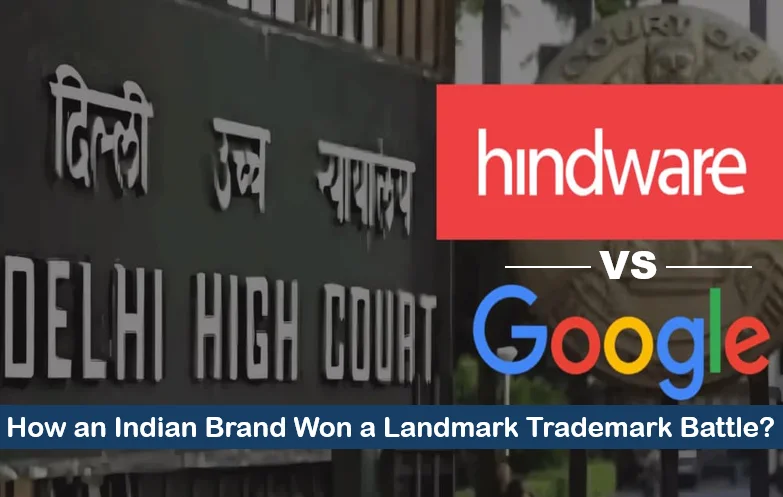

Hindware, a big company that makes sanitaryware, has won its long running brand case against Google. This is a major court win that could change how digital ads operate in India. The Delhi High Court ruled that Google cannot allow its rivals to use the brand HINDWARE as a phrase in its advertising system. The court found Google liable for trademark abuse.
Hindware was also told by the court that Google and Google India had to pay them Rs 30 lakh in damages. People in India’s digital economy view the decision as one of the most important regarding online ads and trademark protection.
The fight began more than ten years ago, when Hindware discovered that competing brands were buying the Google Ads keyword HINDWARE. Users looking for Hindware goods were then shown ads from other sanitaryware companies at the top of the search results.
What caused the court case?
In 2013, Hindware found that rival Cera Sanitaryware and web creator Omkara Infoweb were using the company’s brand as a paid term on Google AdWords, which is now called Google Ads. This is when the problem started, according to court records. In 2014, the term was also used to refer to Grohe, a world renowned name in bathroom products.
This meant that when people searched for Hindware on Google, ads from competing brands appeared before the official Hindware website. Hindware said that this practice took away customers unfairly and made its image less clear.
Hindware later reached an agreement with Grohe and Cera to resolve their legal disputes, but the company continued suing Google. If the use of unseen terms in online ads could be considered brand theft, that was the main question the court had to decide.
Read also: Google’s Agent Smith: The AI Tool Changing How Engineers Work
The court says you can still use invisible keywords as a trademark
According to Indian copyright law, using a brand as a term to bring up ads is still considered use in advertising, even if the trademark is not visible in the ad. This was decided by Justice Mini Pushkarna of the Delhi High Court.
The court found that Google’s advertising system actively enabled rivals to take advantage of Hindware’s good name in the market. The court said that people who searched for HINDWARE were especially looking for Hindware goods as the word was made up and doesn’t have any sense in the language.
When Google let marketers bid on the term, it was basically making money off of the economic value of Hindware’s brand. The court said that Google made money through its pay perclick strategy every time someone clicked on one of its competitors’ ads in the search results.
The judge also said that trademark theft is not just about visible branding. Even software term systems that change how people behave can break brand laws if they cause misunderstanding or unfairly send people to other websites.
The court did not accept Google’s defense.
Google said that since users can’t see buzzwords, they aren’t truly brand use under the Trade Marks Act. The business also said it was safe under Section 79 of the Information Technology Act, which protects middle level companies by giving them safe harbor security.
The court, however, didn’t agree with either case
The judge said that Google wasn’t just an idle middleman as it actively offered keywords to marketers through its Keyword Planner Tool and made money from the advertising system.
The court said that Google did more than just keep ads online. The court found that the company actively participated in the promotion process and directly gained from the use of protected terms in business.
The decision also said that Google did not do enough to protect trademarks as its policy in India did not look into brand misuse in keyword advertising enough.
Read also: Google Launches Gemma 4 AI Model That Can Run Directly on Smartphones
Why Indian businesses should care about this decision
Legal experts think the decision could have a big effect on how people in India use internet ads. The ruling supports the rights of brand owners and makes online advertising sites more responsible.
A lot of businesses have been upset for a long time that their rivals buy their brand names and use them as buzzwords to get new customers. Companies often have to pay to market against their own names just to stay visible in search results.
Since Hindware was found guilty, tech companies may have to rethink how search advertising works in India. There might be tighter rules for companies that run digital campaigns, and marketers and advertising firms might not be able to bid on rival brand names.
The case is also another one involving trademarks. There are more and more of these in Indian courts, where judges are being stricter about brand abuse and customer misunderstanding.

A versatile writer mainly works on trending news, daily updates from politics, business, crime, current affairs and entertainment.









