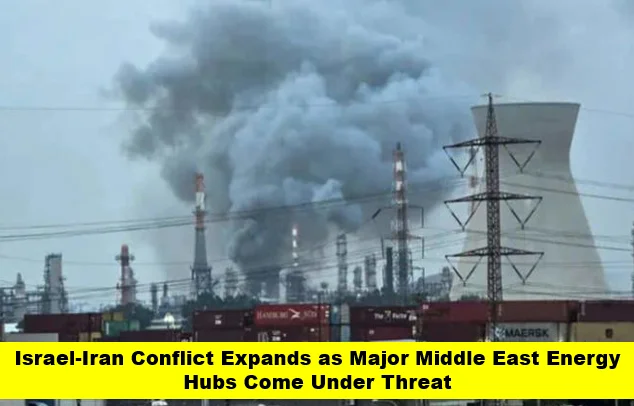

Some of the most important energy sites in the Middle East are in the middle of a growing regional problem because of the growing conflict between Israel and Iran. Energy infrastructure, like the huge South Pars gas field on the coast of the Persian Gulf and the strategically important industrial plants in Mahshahr, is becoming more and more of a target and a sign in the conflict between the two foes.
As military pressures rise, more people are worried about how this might affect the world’s energy markets, the stability of the area, and the safety of important oil and gas sources. The most recent events have shown how closely oil supplies and political rivalries in the Middle East are linked.
South Pars: Iran’s Key to Energy
South Pars, the world’s biggest natural gas field, is one of the most important places connected to the war. The field is in the south of Iran and is shared with Qatar. It is the main source of natural gas for Iran and is very important to the country’s income.
Many of Iran’s energy needs are met by South Pars, which is also very important for making power, running factories, and meeting people’s everyday needs. If output at the field is interrupted, it will hurt the Iranian economy in a big way.
Because South Pars is so strategically important, oil experts and people in the area have been keeping a close eye on it during the most recent parts of the war. Attacks and threats against the plant in the past showed how fragile important energy assets can become when military tensions rise.
South Pars is important for more than just Iran. Since the field is shared with Qatar, uncertainty in the area worries the world’s energy markets and the countries that buy a lot of gas. Any damage that lasts for a long time could affect regional supply lines and make energy prices more volatile around the world.
Read also: Satellite Images Suggest Iran’s Strikes on US Bases Caused Wider Damage
The strategic goal is now Mahshahr
One more important place that is getting a lot of attention is Mahshahr, which is in the southwest of Iran and is a big petroleum and energy hub. The city is on the Persian Gulf and is home to important petroleum plants. It is also an important part of Iran’s energy export network.
Reports of military strikes and activity at sites in and around Mahshahr have made people even more worried that the conflict is spreading to economic and industrial assets as well as military stations.
The important thing about Mahshahr is that it processes and transports petroleum goods that bring in a lot of money for Iran from exports. Damage to sites in the area could stop production, lower the country’s ability to sell, and add to the problems the economy is already facing from sanctions and other outside forces.
Attacks on energy related sites like Mahshahr are part of a larger trend in the conflict: key economic assets are being seen more and more as ways to put pressure on and scare off enemies.
The infrastructure for energy turns into a battlefield
The conflict between Israel and Iran has grown into something much bigger than normal armed battles. Energy plants, pipelines, storage depots, and industrial buildings are now very important to both sides’ strategy plans.
This kind of equipment is worth more than just money. These sites help the country be more resilient, bring in money, and change the way power works in the area. Because of this, strikes on energy sources can have effects that go far beyond the damage that is done physically.
Recent talks between the two countries have made people more worried that more energy sites could be targeted. Experts say that strikes on big production hubs, factories, or export points could cause problems in the supply networks of the whole area.
The business side of the war is also made clear by the rising focus on energy infrastructure. Both sides can send wider global messages while putting costs on each other by threatening production and exports.
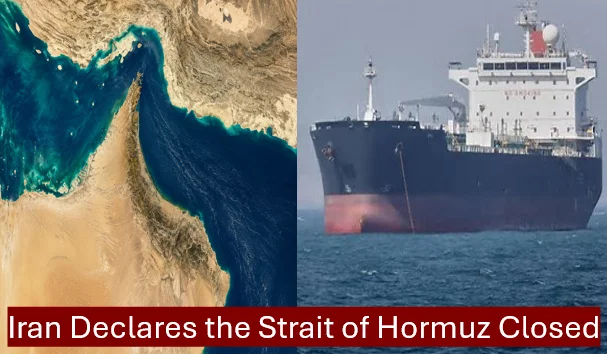
Read also: Iran’s New Strait of Hormuz Plan Triggers Global Shipping Tensions
The world’s markets respond to growing risks
The chance of long term unrest near big energy sites has already caught the attention of markets around the world. Traders and experts are paying close attention to what’s happening in southern Iran and the Gulf area as a whole.
Any threat to supply or shipping paths can make oil and gas prices go up or down right away. The Persian Gulf is still one of the most important oil routes in the world, and market instability is often caused by worries about its safety.
Investors are most worried about problems that might happen near production sites and shipping lines that are very important. Even small damage to infrastructure can make it unclear what sources will be available in the future, which can cause commodity markets to change.
Concerns about wider regional unrest have been sparked by the latest difficulties. Energy security has once again become a major international problem.

I am a versatile content writer from the MP region, covering politics, business, crime, current affairs, entertainment, video games, and sports with clear insights, engaging analysis, and timely, reader-focused updates.