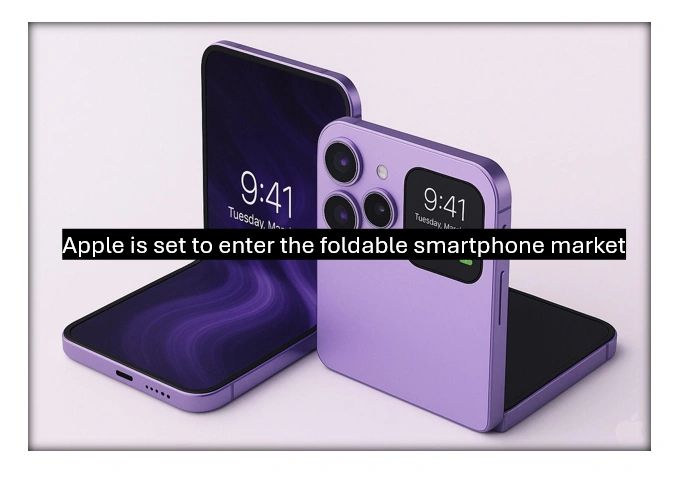

Apple Inc. is getting ready to enter the market for folding smartphones with a device that will cross the line between a phone and a tablet. The company wants to boost growth and fight more fiercely in a field that is already ruled by competitors.
A story from Bloomberg said that the company’s long awaited foldable iPhone, which is set to come out later this year, will have an interface similar to the iPad. This will be a big change in how iOS users interact with their phones.
The move comes as foldable smartphones become more popular around the world. Better hardware, longer battery life, and rising customer demand all point to the fact that this category may finally be ready for widespread use. Even though Apple’s release is later than those of its rivals, it could change what people expect in terms of style and efficiency in the premium smartphone market.
People who know about the project say that Apple’s folding iPhone will have an internal screen about the size of an iPad mini when opened and a smaller screen on the outside that’s about the size of a tiny iPhone. The device will have a bigger aspect ratio than other foldables on the market, which will make watching videos and doing other things more engaging.
A new version of iOS that works with iPad-style layouts is at the heart of the device. It lets you use apps side by side and add interface features like sidebars. These changes should make switching between tasks easier to understand and make it easier for developers to adapt current apps to the new style.
People who know about the situation said, “The design is meant to make the device more appealing for watching videos and doing work.” They also said that the bigger screen could become a big selling point.
Even with these improvements, the folding iPhone will still run regular iOS and not iPadOS. This means that it will keep its easier multitasking system and won’t support full desktop style processes or run iPad apps directly. This choice shows that Apple is trying to find a balance between speed and usefulness.
A representative for the Cupertino, California based business refused to say anything.
Problems with design and trade offs in technology
Apple’s late entry into the foldable market shows that the company is still working to fix problems that have been plaguing older devices, like screen creases and worries about sturdiness.
Engineers allegedly used a new display technology that lessens the crease that can be seen when the device is opened, but it doesn’t get rid of it completely. Even though it’s not perfect, the change could give Apple an edge in marketing and user experience.
A big deal has also been put on durability. Apple wants to make the hinge and screen last longer so that the device can be folded many times over time, which was a problem with early foldables.
Another big change is on the outside display: Apple’s signature notch has been replaced by a hole punch camera cutout. Getting rid of Face ID and adding Touch ID to the side button allows for this design change. This is the first time since 2022 that fingerprint recognition has been added to a top iPhone.
It was said that the smaller form of the folding device made it hard to fit the full Face ID sensor array, which made Apple rethink its fingerprint method.
Choices about cameras and gear are based on trade offs
Apple has also tried out a number of different camera technologies for the inner display, such as a camera system that sits under the screen. But tests showed that this method produced lower picture quality, so the company chose a more common hole punch design instead.
On the back of the folding iPhone, there will be two cameras, one fewer than on current premium models. Apple is still betting that the big screen, better work tools, and high quality build will make the device worth the expected $2,000 price tag.
The foldable market is ready for Apple’s entry
Seven years after Samsung released the first folding phone, Apple is now joining the market. This gives companies a lot of time to improve the technology.
Brand new models from major companies show how far the category has come. Many of the problems with early devices, like their heavy designs and fragile screens, have been fixed by making them smaller, more durable, and more capable.
For example, Samsung’s newest folding phones are now thin enough to look like regular smartphones when they’re folded. At the same time, rivals have made improvements to battery life and camera performance. Some models even have screens that don’t have many creases, which is a big step forward that Apple is still working to fully reach.
A study from the market research company IDC says that sales of folding smartphones around the world will rise by 10% in 2025 compared to the previous year. In 2026, they are expected to rise even more, by 30%.

A versatile writer mainly works on trending news, daily updates from politics, business, crime, current affairs and entertainment.