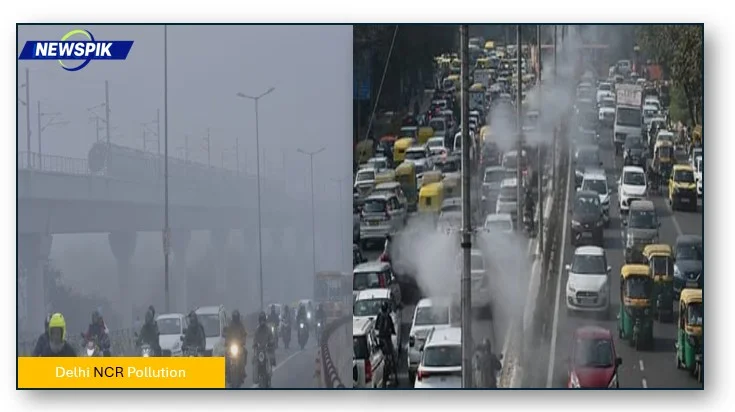

Delhi-NCR, which has been plagued by unbearable smog levels, is finally seeing a significant rise in the quality of air in the city, which is why the Commission for Air Quality Management (CAQM) has decided to lift restrictions within the framework of the Graded Response Action Plan (GRAP) and go to Stage 3. The Air Quality Index was transferred to the less critical category, and the authorities were able to relax some of the strictest restrictions that had impacted everyday life, mode of transport, and industry.
Curbs Called in After Weeks of Curbing
Under the effect of the rescission of GRAP-3, idle construction projects and some infrastructure projects are now being reinstated, though in a gradual manner. The restoration of the public utility works, activities associated with metro and road construction, and the development activities that cannot be compromised are being provided with stringent environmental regulations. There have also been relaxed industrial activities that were in some way limited during peak pollution.
Conformance Still Oblatory Even with Relief
The government has ensured that, although curbs are now lifted, responsibility remains central. The dust control systems, emission checks, waste disposal regulations, and checks will remain in place. The officials stressed that GRAP is a flexible mechanism and can be revived if pollution levels worsen again.
Without rivers or lakes, the UAE provides water to millions of people
Improvement of Everyday Life and Economy
This has relieved the daily commuters, businesses, and, more importantly, the labour workforce relying on construction works greatly. Numerous stalled economic operations are now able to be reinstated, thereby cutting the financial losses and rebuilding lives. Yet, environmentalists warn that this is a window of relief and not a solution to the problem.
People Told to Be on the Lookout
Health professionals are still advising the vulnerable population, like children, elderly people, and patients with respiratory or cardiac diseases, to be alert. Governments are also encouraging citizens to avoid unnecessary waste burning, minimize vehicle emissions, use public transportation, and contribute their bit to keep the air clean.
Government Emphasis on Long-term Reforms
Officials reaffirmed that long-term plans are still necessary in addressing winter pollution that is experienced by NCR. There are still efforts to increase the scope of public transport, enhance electric mobility, strengthen the industrial norms of emissions, green cover, and urban planning. The coordination between Delhi, Haryana, Uttar Pradesh and Rajasthan is still vital towards sustainable improvement.
Sewage in drinking water blamed for at least 10 deaths in India’s
A Relief, though Not a Victory as Yet
Delhi-NCR is a bit relieved, but winter is still dangerous in terms of pollution. Although the lifting of GRAP-3 curbs is a positive sign, it also acts as a reminder that we must always be on the watch, we should be our own civic watchdogs, and we should ensure we have effective policies that can guarantee us to be out of temporary reprieve and into permanent clean air.

I am a versatile content writer from the MP region, covering politics, business, crime, current affairs, entertainment, video games, and sports with clear insights, engaging analysis, and timely, reader-focused updates.