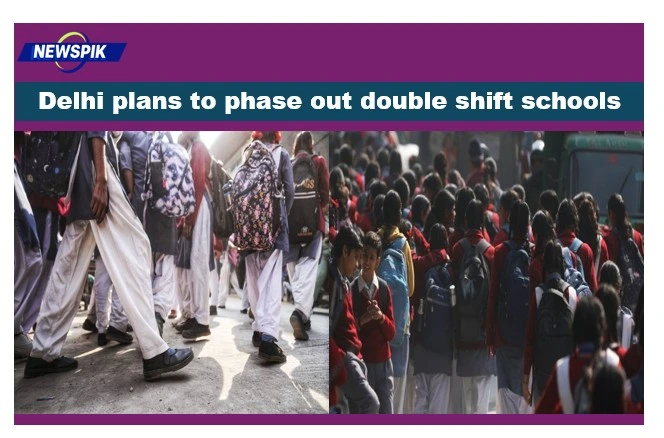

The Delhi Government has recently released its plan to transition away from its long-standing policy of Double Shift Schools, which were used to fill the gap created by an insufficient number of classrooms, into a single shift or full-day school system for all state-managed educational institutions. This effort seeks not only to provide better educational experiences for both students and staff but also improve the overall quality of education provided to children.
Reason for Introduction of Double Shifts
In Delhi there are many Double Shift Schools that have two groups of students learning in the same facility (morning and evening) and this is due to the very large numbers of students being enrolled compared to the limited amount of physical space available to the schools. With this process of utilising two different groups of students, more children have been able to have access to an educational experience without having to wait for years for the Government to supply additional construction of new school facilities. However, there are a number of concerns related to the academic performance of students and overall health and welfare of students who attend such schools.
Double shifts have received intense scrutiny from both parents and teachers due to the shortened amount of time students receive in class during the second or evening shifts as well as creating additional stress on teachers since they now need to balance two separate classes each day, while also affecting how much we care about what we do. Night class students, especially, are experiencing decreased attention and fatigue.
New Directive
In accordance with the New Policy Directive, the DoE will begin the process of eliminating double shifts and turning them into one session or “single-shift” schools over the next few school years. This new policy will allow students to attend school continually for a morning and/or afternoon shift instead of splitting school into multiple shifts.
Advocates for the new policy feel that this reform will:
- Improve the quality of learning by providing a longer continuous period of instruction for each subject
- Lower levels of stress and fatigue for both students and teachers
- Standardize school schedules for all government schools across Delhi
- Provide students with more opportunities for extracurricular activities, including extra help with homework, tutoring, and personal development programs.
The gradual implementation of the transitional shift to an adjusted schedule will vary by location based on individual school and student population, and logistical difficulties in each school. Coordination between staff and administration will allow for the extension of hours at school only when necessary during this process.
The challenges of classroom facilities and infrastructure are major obstacles to the effective implementation of this directive. Currently, hundreds of government schools in various areas of Delhi operate on double shifts due to a lack of space and overcrowding in a number of the city’s most densely populated areas, as outlined by a recent report from the education department.
Solutions being considered by the government to address these facility and infrastructure issues include:
- Increase classroom facilities and classrooms through the building of new classrooms and school buildings
- Locate vacant land for future sites for school
- Transform double-shift schools into larger single-shift school.
- Update existing facilities to comply with the Right to Education (RTE) law, and to the safety of students.
Currently, the state plans to build approximately 10 additional schools per year with an estimated goal of constructing 50 new schools by 2029, which will allow for increased availability of classrooms, and the elimination of double shifts.
Responses from Stakeholders
There are different reactions from parents and teachers; most of them favour moving to single-shift schooling because it would allow for an increased focus on students, as well as providing more time for teachers to assist students with behavioural issues and provide support after school hours. However, some feel that there may be problems associated with overcrowding or other logistical challenges if the current educational facilities do not change with the move to single-shift schooling.
According to education experts, single-shift schooling is a best practice in the development of children. However, experts have indicated that any changes and improvements related to the transition to single-shift schooling will need to be managed very carefully so that schools and teachers do not unnecessarily experience undue stress from the increased demand for services or the impact on educational infrastructure.
The introduction of this new initiative represents a larger agenda of educational reform by the Delhi government, which has also included the following initiatives:
- Efforts to increase access to technology (smart classrooms and digital learning tools)
- Providing after-school (remedial) classes for older students during breaks
- Implementing stricter fee regulations for private schools
- Improving the standardisation of educational quality (inspection) and oversight of government schools.
These initiatives represent the first steps toward the creation of an equitable and effective public education system in the city of Delhi.
What Comes Next?
In the weeks ahead, the Directorate of Education will announce specific timelines and develop school-specific transition plans under this initiative. Monitoring and periodic progress reviews should occur regularly during the implementation process to measure advancement, identify setbacks, and address obstacles as they arise. The government remains committed to improving the everyday school experience of all students, while also providing high-quality education for all students in supportive learning environments.
Delhi Metro Announces Magenta Line Extension Connecting Central and East Delhi

A versatile writer mainly works on trending news, daily updates from politics, business, crime, current affairs and entertainment.