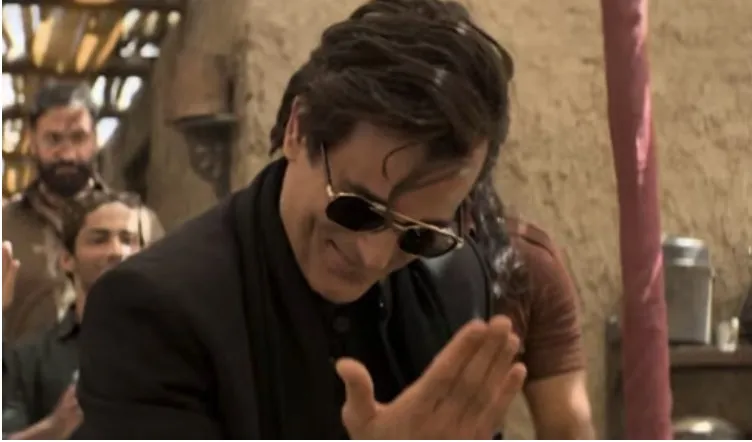
An action-adventure film, Dhurandhar, by Aditya Dhar has played housefull shows in several centres in Jammu and Kashmir, including small towns like Shopian and Pulwama, and this is a first-of-its-kind and a big milestone in theatrical exhibition in the area.
The high attendance at these places, where there was a shortage of cinema infrastructure in the past, is an indication of revived enthusiasm towards the big-screen entertainment outside the large urban centers.
Strong Footfalls in Traditionally Underserved Marke
Trade sources have attested that Trade in Shopian and Pulwama has been filled to the brim since the release of the film. Such mainstream Indian cinemas have not been experiencing such sustained foot traffic in these towns that do not have a conventional multiplex. According to industry observers, the reaction indicates a long-term demand for theatrical experiences in areas where the population has been deprived of access to cinema halls for years.
Even with the fact that the film is still registering strong results in the country, the performance of Dhurandhar in these markets is a standout, as the film adds to the overall box office performance.
Small-Format Cinemas Drive the Surge
One of the main elements that has contributed to the success of the film in Kashmir has been the contribution of Citara, which is a multiple-chain of small-format with a seating capacity of between 100 and 150 seats. These theatres have been a viable option in places where massive investments in multiplexes could not have been possible.
In places such as Shopian and Pulwama, Citara’s small screens have facilitated frequent screenings in towns that have manageable costs of operation, hence enabling the exhibitors to earn good occupancies without necessarily having to operate under premium models.
Viability of Compact Exhibition Models Highlighted
According to trade analysts, with the success of the Dhurandhar, the viability of small-screen cinema formats in Tier 2 and Tier 3 areas is becoming more viable. Instead of fighting big multiplex chains, the theatres are sealing a gap that has been there in the Indian exhibition system long enough.
India is also underscreened, especially in the non-metropolitan regions, relative to the world. Although the multiplex-led growth has increased screens in metropolitan areas, the relatively expensive capital and relatively high ticket prices have commonly restricted viewership in smaller towns.
Audience Appetite for Big-Screen Cinema Returns
This resurgence of cinema-going habits is also manifested in the high attendance in Kashmir as well as in wider audiences, if the content meets the expectations of the audience. Affordability, convenient locations, and culturally relevant content have helped local exhibitors to recapture the lost audience to theatres, according to local exhibitors.
Small-format cinemas have given residents of towns lacking multiplex infrastructure a long-lost experience of communal viewing behavior, further establishing cinema as a communal cultural practice.
Industry Takes Note of Kashmir Market Potential
The Dhurandhar performance has also seen the distributors and the exhibitors revive their interest in exploring the unconventional markets like Jammu and Kashmir. Industry players’ morale is that, with the right exhibition model and content strategy, smaller towns can provide a stable source of theatrical revenue.
With Dhurandhar still on a successful streak, its performance at Shopian and Pulwama has not only been seen as a box-office breakthrough but also as a sign that cinema development in underserved areas can be sustainable and profitable.

A versatile writer mainly works on trending news, daily updates from politics, business, crime, current affairs and entertainment.