
Google’s new AI tool, Nano Banana Pro, has surprised people all over the world. This AI can solve math problems written by hand, and even more shocking, it can write the answers in the exact handwriting of the user. This has started a big online discussion about privacy, ethics, and how far AI technology should be allowed to go.
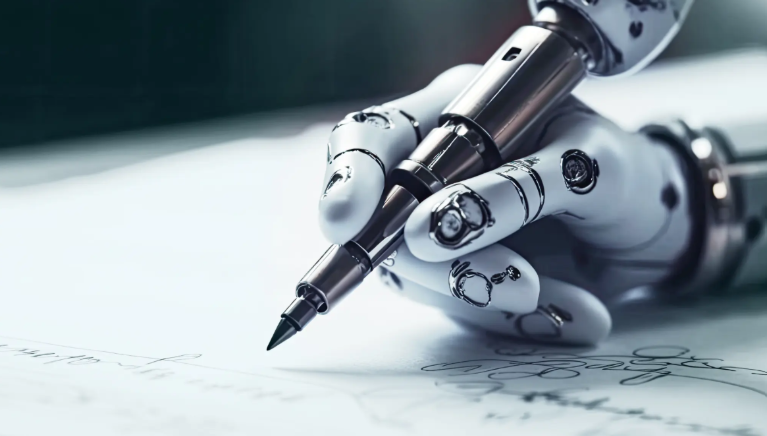
The trend started when one user tried a simple test. They wrote a math problem by hand and asked Google’s AI to solve it. The AI not only solved the problem, but the answer looked exactly like the user wrote it. The writing style, curves, shapes, and strokes all matched perfectly. Many people could not believe that an AI could copy handwriting so well that it was almost impossible to tell the difference.
This event quickly went viral on social media. Many users were amazed, while others felt worried. Some praised the new technology, but many people also said that if AI can copy handwriting so easily, it could cause problems in schools, offices, and other important places. The incident opened up a huge conversation about the limits of new AI tools.
Similar interest:
A Viral Discovery That Got Everyone Talking
As soon as the video and images of the experiment were posted online, people around the world began reacting. Screenshots, short videos, and posts spread across platforms like X, Facebook, Instagram, and YouTube. Tech lovers said this was a big step forward for AI. But many teachers, security experts, and parents raised concerns.
On social media, users spoke about how students might use AI to complete homework that looks handwritten. Others worried that AI could copy signatures or create fake handwritten notes. Many discussions focused on how such tools should be controlled and what rules should be put in place. The excitement and fear both kept growing as more users tested the tool and shared their own results.
What Is Nano Banana Pro? Google’s New AI Tool Explained
Nano Banana Pro uses Gemini 3 Pro, one of Google’s most advanced AI models. This model helps the tool understand text, handwriting, images, audio, and even video. Earlier AI tools mostly worked with typed text only. But Nano Banana Pro can read and create many different types of content.
Main Features of Nano Banana Pro
Handwriting Replication:
The AI can study a user’s handwriting and then produce new writing that looks just like it was written by that person.
Handwritten Problem Solving:
The AI reads handwritten math questions like algebra or geometry, understands them, and then writes the solution in the user’s handwriting.
Image Generation:
It can create high-quality images, drawings, portraits, and other visuals from simple prompts.
Multimodal Processing:
It works with many types of content—text, images, audio, and video—making it very flexible.
Advanced Reasoning:
Because it uses Gemini 3 Pro, it can understand context, follow steps, and solve complicated tasks much like a human would.
How Nano Banana Pro Works
Nano Banana Pro uses special learning patterns inside Gemini 3 Pro to read handwriting. When someone gives the AI a sample of their handwriting, it studies tiny details like:
- stroke angles
- writing pressure
- letter spacing
- size and shape of letters
- personal writing patterns
The tool does not copy the handwriting by tracing it. Instead, it learns how the person writes and creates new text in the same style.
To solve handwritten math problems, the AI uses visual recognition. It reads the numbers, symbols, and steps in the question. Then it uses its reasoning skills to find the correct solution. Finally, it writes the answer using the learned handwriting style.
Nano Banana Pro is also connected to Google Search, which helps it give updated and correct information when needed. This combination of tasks—reading, understanding, solving, and writing—makes it one of the most unique AI systems available.
Possible Uses of Nano Banana Pro in Different Fields
Experts believe that this tool could change how many industries work.
1. Education
Students could use it to learn math and understand problem-solving steps. Teachers can use it to prepare study notes, handwritten worksheets, and personalised content.
2. Creative and Design Fields
Artists, designers, and content creators can use the AI to make visuals, explore new art styles, or create designs quickly.
3. Accessibility
People who cannot write easily due to physical disabilities can use the AI to create letters and notes in their own handwriting style.
4. Data Digitisation
Companies with handwritten files or records can convert them into digital form without losing the original look of the handwriting.
A Future That Needs Careful Use and Regulation
With the rise of Nano Banana Pro, many experts believe that rules and guidelines must be created quickly. Things like limiting handwriting copying, explaining how data is stored, and setting rules in schools may help prevent misuse.

I craft sharp movie reviews and trend analysis, known for deep research, clear insights, and compelling storytelling across the latest in film and pop culture.









