India and Bangladesh inch closer to resolving the decades-long dispute over the sharing of the river Ganga. India and Bangladesh signed their first agreement on the sharing of the river waters in nearly three decades, although this is only an interim agreement on the sharing of the river Kushiyara. This comes on the heels of negotiations between the two nations regarding the renewal of the Ganga agreement that expires in December 2026.
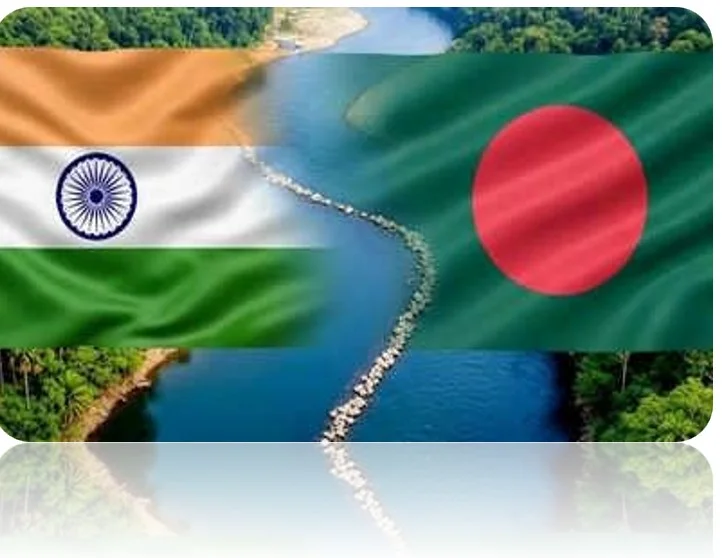
Agreement on the Kushiyara River: Key Points
Interim Agreement Inked: On Tuesday, an interim pact on water sharing in respect of the River Kushiyara, an interstate river that runs as a tributary in the region of Assam in India and in the region of Sylhet in Bangladesh, was inked between India and
Mutual Benefits: The agreement will have mutually beneficial effects for not only southern Assam but also Sylhet, as assured by Prime Minister Narendra Modi: “It will not only help southern Assam but will also benefit Sylhet in terms of ensuring regulated water sharing.”
Historic Background The historic deal represents the first significant water-sharing agreement in the last 25 years, after the Ganges deal in 1996.
BackGround:
The context in which one needs to understand the importance of such an interim agreement would be the overall context of water diplomacy related to the rivers between India and Bangladesh.
Farakka Agreement 1996:
The Existing Ganga Water Agreement signed in 1996 deals with the sharing of the Ganges’ water shares at the point of the Farakka Barrage in the state of West Bengal during the annual drought season. The treaty ensures that both nations are allocated certain quantities of water as per the rotation program to meet agricultural and other purposes.
Expiration 2026
The treaty will expire in December 2026, requiring both the need to start negotiations for renewals. A long-term treaty is what Bangladesh demands, while India has developed new approaches based on evolving developmental and environmental requirements.
Recent Negotiations and The Diplomatic Movement
Talks Underway:
In late 2025, representatives of Bangladesh and India gathered in New Delhi and subsequently in Kolkata as part of the Joint Rivers Commission in order to initiate the evaluation and technological talks that would eventually revive this 30-year-old treaty.
Bangladesh’s Position:
Dhaka has been asking for a more long-term Ganges Agreement as well as more stable water shares, which have been emphasized as crucial for irrigation, industrial, as well as climate change purposes.
India’s Stance
The New Delhi government is considering a shortened period of renewal (for instance, 10-15 years) or modifications that serve their requirements better, such as upkeep of ports, production of electricity, or irrigation, without hampering the river’s downstream flows.
Technical Mechanism:
There are plans to form a joint technical committee whose mandate will be to provide the basis for the new agreement within the coming months.
Teesta River and Other Water Issues
However, aside from the Ganges, another contentious issue regarding the sharing of the Teesta River’s waters has long been outstanding. To date, the Bangladeshi government continues to make a plea for a resolution on this long-standing dispute, where interim government representatives have called on all parties involved to come to a consensus on agreed terms according to international standards.
Bangladesh also faces concerns over inaction on the Teesta water sharing problem and water diplomacy, potentially influencing agricultural sustainability in the area.
Political Dynamics
Water diplomacy is also entangled in broader geopolitical and politicalrelations between states. The caretaker government in Bangladesh has had some politicaldisagreements with Indian officials, but all concerned have stressed the imperatives of mutual respect and cooperation in nurturing any agreements over water. The Indian government has reaffirmed its stance of not interfering and its support for democracy in Bangladesh.
Why It Matters?
River water sharing treaties such as the interim agreement of the Kushiyara River and the renewal of the Ganga River treaty are highly important since:
- Ensure the provision of water security to millions of people on both sides of the border, especially in the months that are usually dry.
- Function as a barometer of bilateral cooperation and regional stability in South Asia.
Bottom line: The Kushiyara river agreement is a significant move toward constructive engagement on transboundary waters. While India and Bangladesh are preparing for crunch negotiations on the Ganga treaty, the success of the negotiations will require the development of trust, technical collaboration, and strategic views for the sharing of waters.

A versatile writer mainly works on trending news, daily updates from politics, business, crime, current affairs and entertainment.