In Goa, a 77-foot-tall bronze statue of Lord Ram was unveiled to cheers, parade lights and a sea of fans. Tourists, pilgrims, and people who lived nearby all came together to see the huge figure rise above the scene. The event was a mix of old traditions and new shows.. The figure was meant to be a visual centrepiece that celebrated faith, tradition and cultural continuity.A Ceremony and a Celebration.
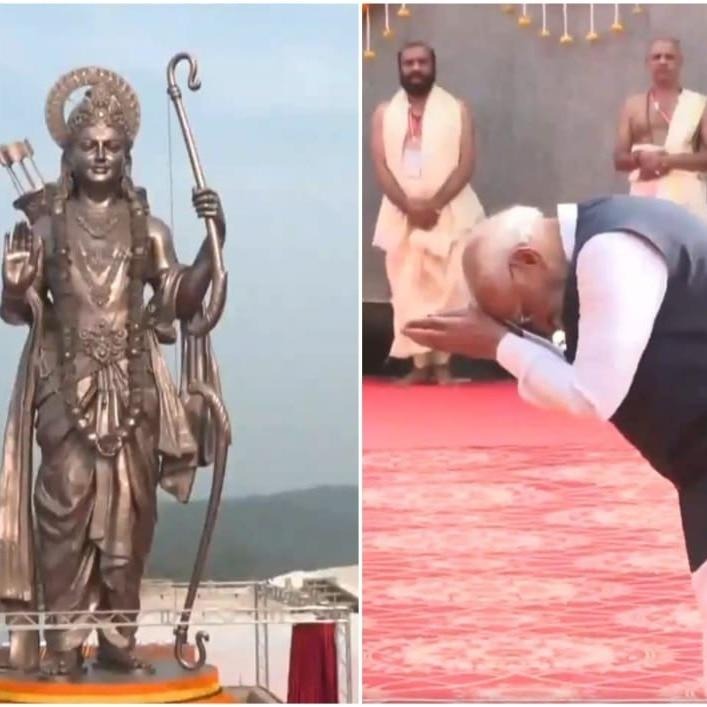
The reveal was part of an event that went on for several days at a famous church seat in South Goa. Traditional ceremonies, prayers and cultural shows at the event highlighted the place’s spiritual significance. Officials and religious leaders said the statue was a sign of loyalty and a lighthouse for tourists.
Project organisers talked about how well the statue was made and how long the planning process took. Decorative processions, music and community feasts added to the festive mood, making the opening into both a spiritual celebration and a cultural meeting.
Read also: Another Milestone: Flag hosting at Ram Temple
Craft, Art and History
Crafted by a team of skilled artists and workers, the figure is noted for its size and detail. The bronze statue is set on a raised base so it can be seen from afar. It is meant to be a permanent symbol. Artisans involved in the project spoke of months of work to perfect stance, expression and symmetry, trying to capture both respect and honour in the sculpture. Landscape design, guest facilities, and a simple plaza were also part of the project. The plaza was big enough to fit a lot of walkers and tourists.
Pilgrimage, Tourism and Local Impact
Local leaders and temple officials say the new statue will boost travel traffic and support heritage tourism in the region. The spot is expected to draw not only religious guests but also culture tourists interested in building, art and regional customs. Supporters claim that increased traffic will help nearby companies, create jobs and drive investments in local infrastructure. At the same time, planners say they will watch guest numbers carefully to protect the temple’s holiness and handle environmental and traffic issues.
Voices from the Crowd
For many guests, the reveal was a moving moment. Devotees reported feelings of pride, spiritual boost, and a fresh link to shared customs.
Not everyone framed the installation simply in religious terms: some onlookers raised questions about scale, public spending and the broader cultural discussion the statue might spark. Organizers reacted by stressing community input and the statue’s role in building ethnic identity.
Goa Governor Ashok Gajapathi Raju, Chief Minister Pramod Sawant and Shrimad Vidhyadheesh Teerth Swami of the Mutt were present at the event. The Ram statue, made by famous artist Ram Sutar whose past projects include the Statue of Unity in Gujarat, is the largest Ram statue in the world, stated Goa PWD minister Digambar Kamat.
Shree Samsthan Gokarn Jeevottam Mutt is among India’s oldest religious institutions, known for its spiritual, artistic and social achievements, and holds an important place in the Saraswat community. Looking Ahead — Heritage Meets Modern Needs
Beyond its immediate meaning, the statue’s placement has sparked talks about combining respect with planning. Temple officials have promised ongoing repair and a focus on sustainable tourism, while local bodies are coordinating on traffic, cleanliness and safety. The goal, they say, is to create a peaceful travel experience that honors custom while meeting the needs of modern tourists.
Whether seen as a bold cultural statement, a work of public art, or a center for devotion, the 77-foot figure has already begun to change the scenery — physically and mentally. For the community that planned and accepted it, the monument is both a gift of faith and an invitation: to stop, think and observe a modern expression of old devotion.

I craft sharp movie reviews and trend analysis, known for deep research, clear insights, and compelling storytelling across the latest in film and pop culture.