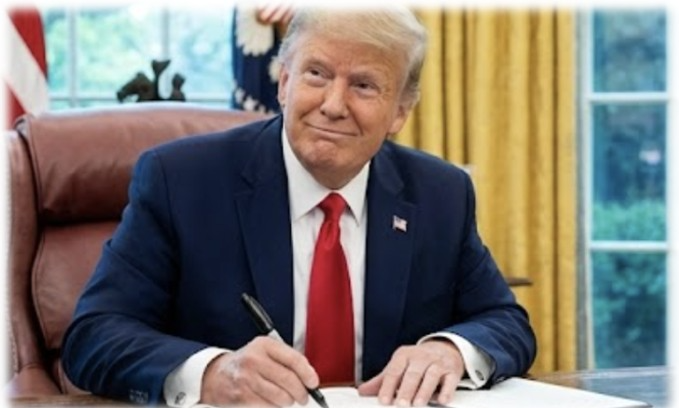
Nvidia has a plan approved by U.S. President Donald Trump to sell some of its advanced artificial intelligence chips to China, which represents a major change in American semiconductor export policy. The transition allows Nvidia H200 chips to be sold under the supervision of the U.S. authorities, with the exception that the most powerful families of its chips remain banned.
Export Approval Comes After Months of Debate
This ruling comes after months of in-house debates among trade, national security, and technology experts. The new policy, according to senior figures in the administration, is aimed at balancing American commercial interests and ongoing concerns about China’s access to sensitive computing technologies. This is viewed as a partial change rather than a complete loosening of the regulation initially set up during the early stages of U.S.-China conflicts.
The government has clarified that the H200 chips will be subject to export controls, as an extra charge will be imposed on each sale by Washington. The move was termed a method of maintaining U.S. leverage and supporting controlled commercial access.
Read also
H200 Chips Allowed, Top-End Models Still Restricted
With this new direction, Nvidia will be allowed to sell its H200 accelerators to licensed consumers in China; however, the most advanced lines of the company will be prohibited. Such products, such as the latest generation of high-end AI chips, remain subject to security measures that prohibit sales to Chinese organizations.
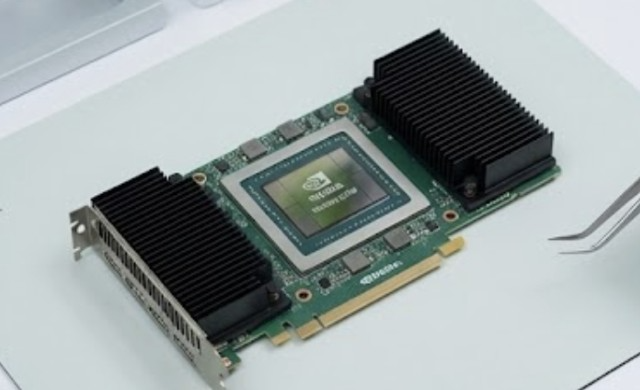
H2O0 chip is still much more powerful than previous models and can be commonly used to power large AI models, data analytics, and accelerated computing applications. According to analysts, the approval would not only provide Chinese technology companies with a significant performance increase, but also ensure that the most advanced hardware is not available.
Strategic Motives Behind the Shift
It is a decision made by the administration when there is an increased trade negotiation between the United States and China. According to officials, the conditional approval indicates a balanced strategy that not only safeguards the interests of the nations but also helps American companies and suggests a possible relaxation of trade tensions.
Observers also think the move would give U.S. semiconductor companies an edge in an era when the world is quickly growing its need for specialized AI processors. The policy will however, be looked into closely with case-by-case consideration depending on the buyer and usage.
Political and Security Concerns Persist
The relocation has also led to criticism of Congress members who believe that even the availability of mid-tier AI chips will help Chinese potential in such fields as surveillance or technological strategy. According to some legislators, the government ought not to extend any high-performance computing capabilities to China, irrespective of the level.
Another group that has raised concerns is the national security analysts who have cautioned that technological superiority can be shortened and that China can also seek to integrate imported chips with local hardware technology. Although these are the concerns, the government affirms that it has a tight rein and that additional permission would be granted after security assessments.
Market Reaction and Future Outlook
The stock of Nvidia companies rose soon after the news, indicating that the re-entry into this market in China could provide a significant revenue boost. China is still considered to be one of the biggest computing hardware markets and with high demand for AI acceleration.
To date, the H200 series is the only model allowed for export, and future decisions will likely be determined by the geopolitical situation and relations between the U.S. and China. The government has stressed that the top-grade AI equipment will remain limited and that the current policy-making will also be reviewed.

I craft sharp movie reviews and trend analysis, known for deep research, clear insights, and compelling storytelling across the latest in film and pop culture.