The rapid advance of Artificial Intelligence (AI) has dominated discussions across nearly every sector, and the e-gaming industry is no exception. Concerns about AI-driven cheating, intellectual property theft, and the transformation of game design are constant. Yet, the head of one of India’s leading regulatory bodies has delivered a stark message to the AI community: the greatest risk to the industry is not technological sophistication, but political and regulatory clumsiness.
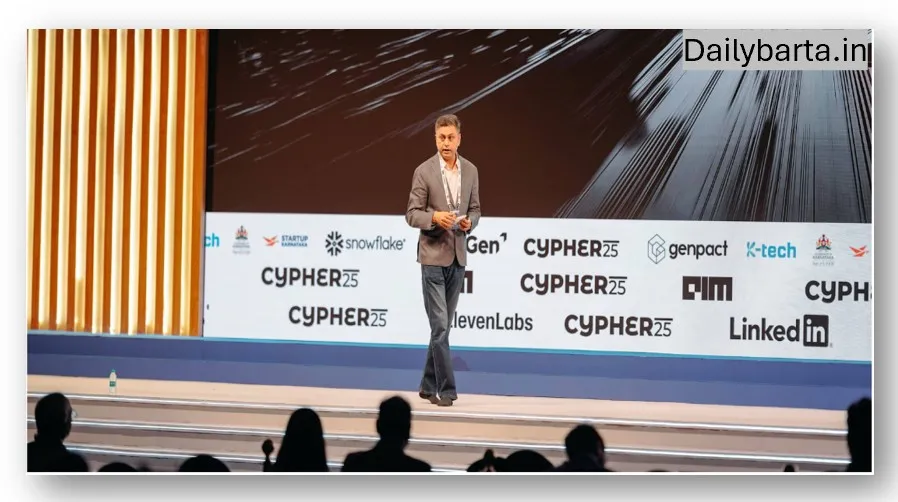
Speaking at the inaugural ‘Future of Interactive Technology’ summit, the Chief Executive Officer of the E-Gaming Federation (EGF), Mr. A. R. Varma, issued a cautionary address that refocused the community’s attention.
The AI Panic vs. Regulatory Reality
“We are spending countless hours debating the existential threat of General AI to game balance or the ethics of using deepfakes for in-game marketing,” Varma noted. “While these are valid technical challenges, they pale in comparison to the immediate, business-crippling danger posed by poorly conceived or rushed governmental policy.“
Varma highlighted that technological evolution, no matter how rapid, is a predictable trajectory that the industry can adapt to through innovation. The industry is inherently resilient, built on rapid development cycles. The danger, he argued, comes from the outside—from regulators who lack a nuanced understanding of the technology they seek to govern.
The Cost of Policy Mishaps
The EGF chief pointed to recent historical examples where regulatory actions, taken with the best of intentions, have stifled growth and pushed legitimate operations into the shadows:
- Taxation Overreach: Imposing high, prohibitive taxes based on total funds wagered (GGR vs. stakes) instead of just the platform’s revenue can instantly make the entire business model unviable, leading companies to close or move offshore.
- Ambiguous Classification: Vague legal distinctions between “games of skill” and “games of chance” create a state of perpetual uncertainty, deterring large-scale investment and preventing companies from achieving corporate stability.
- Licensing Hurdles: The creation of slow, expensive, or politically motivated licensing frameworks prevents legitimate, compliant companies from operating, ceding market share to unlicensed, consumer-unsafe entities.
“An AI model might disrupt a specific game genre, but a single, flawed policy decision can destroy the market for every e-gaming company in the country overnight,” Varma stated emphatically.
A Call for Collaboration
The core of Varma’s message was a direct plea to the AI community: Your expertise in systems, complexity, and rapid iteration is needed not just in developing games, but in developing governance.
“Don’t just build the future; help us structure it,” he urged. “The industry needs to actively collaborate with policymakers, using data, modelling, and clear communication to show the difference between a constructive, modern policy framework and a punitive, obsolete one.”
Ultimately, the EGF chief argued that a responsible, forward-looking policy framework is the essential foundation upon which the future of AI in gaming—and the entire sector’s prosperity—must be built. Without it, the industry risks being crushed under the weight of outdated laws before AI even gets a chance to fundamentally change the way we play.

I am a passionate content writer from the Chandigarh–Panchkula region. I am curious and love exploring diverse topics. At DailyBarta.in, I primarily write about video games and sports, bringing readers fresh insights, engaging analysis, and easy-to-understand breakdowns of the latest trends.