In a historic standoff reflecting the outsized, but often invisible power dynamics between large global technology platforms and sovereign nations — Facebook has far more users globally than Australia has people — millions of Australians woke up. Thursday to find themselves cut off from direct access to major social media services.
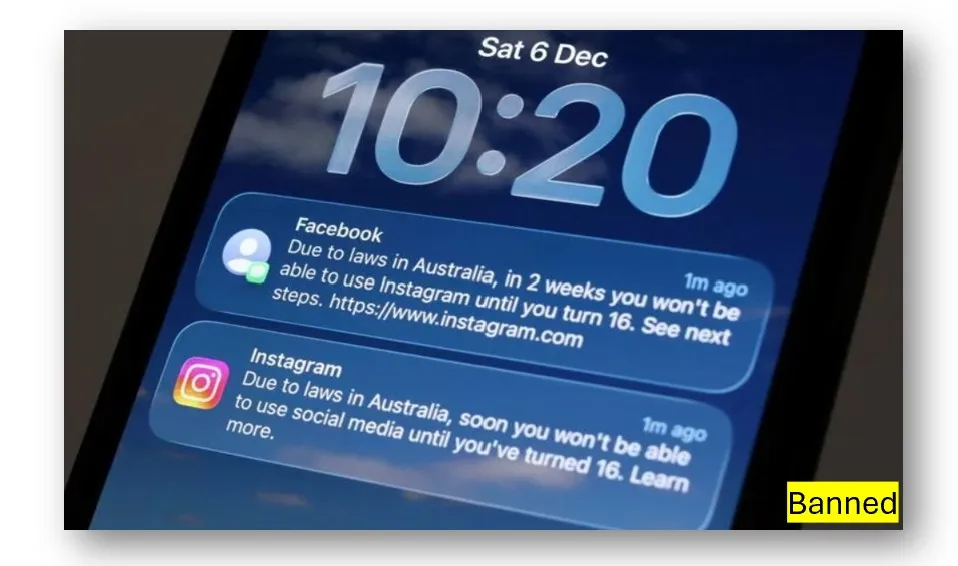
The sudden and massive outage was not a technical glitch or a cyberattack; it was Meta (Facebook’s parent company) taking a retaliatory measure directly, in response to the passage of one of the most innovative pieces of legislation to emerge in recent history: the News Media Bargaining Code (NMBC).
The results were instantaneous — and chaotic. In Australian users’ news feeds, local and world-wide press there disappeared for almost one week in February 2021. More critically, the platforms’ rush to put the block in place still wound up inadvertently hobbling access to critical public safety and health information — including emergency services, fire and rescue pages and even government COVID-19 portals. And this widespread loss of access showed how much social media has been woven into the fabric of modern civic life in a nation.
The Root of the Problem: Australia’s News Media Bargaining Code
The crisis erupted in part out of the Australian government’s effort to address a long-simmering economic disparity. For years, media publishers complained that the big tech platforms, including Facebook and Google, had effectively monopolized all of the digital advertising racket and were using journalists’ copyrighted content — free of charge! — on their news feeds.
The Core Legislation: The News Media Bargaining Code was intended to redress this imbalance of power. It had proposed a forced arbitration model that would make Meta and Google pay Australian news organizations a fair amount for content that has brought engagement and, indirectly, huge advertising revenue to their platforms. It was a direct assault by lawmakers on the dominant model of the “free content” internet.
Meta Fights Back: Meta and Google vehemently opposed the Code as setting a dangerous global precedent to disrupt their business models. Google first threatened to terminate its search engine presence in Australia completely. But, Google ultimately negotiated voluntary commercial deals with large Australian news providers just before the legislation was passed. Meta, however, took a much more aggressive course.
The Retaliation: Swiftness and Indiscrimination in the Ban
In a startling escalation, Meta decided to block all Australian news content from being shared or viewed on Facebook and Instagram. The execution however, was very poorly done; it almost seemed a bit of a rush job from an over eager implementation of the corporate directive:
Collateral Damage: A broad ban was thrown down. And it didn’t just attack large commercial news publishers; it nuked the content from public interest pages operated by government agencies, non-profits and charities. Pages for fire, police and health departments, domestic violence support services and even the national weather bureau also went dark. “The fact that this occurred was quite frightening, especially because we still had the COVID-19 pandemic, and we break for Christmas knowing when bushfire season should really begin,” she said.
Civic Disruption: The block was felt most acutely by millions of Australians who use Facebook as a primary source of news, particularly in regional and remote communities, where the move reduced the flow of reliable information. It was a vivid real-world reminder of the gatekeeper power wielded by one private corporation over public communication.
The Resolution and Global Implications
Ultimately, the crisis was averted when Meta and the Australian government developed an 11th-hour compromise on a number of last-minute amendments to the News Media Bargaining Code. These changes have given Meta more leeway and would allow it to sidestep the mandatory arbitration if it could show that it had already made “significant contributions” to the Australian news industry via commercial agreements.
Meta later lifted the ban, but the damage was done and fallout continued:
Setting a Global Standard: The Australian Code, revised as it was, did push Meta and Google to pay for news content and prompted similar legislation in Canada and Europe.
Reveal of vulnerability: The event revealed the terrifying fragility of public safety infrastructure when it is overly dependent on the whims of private tech monopolies. It prompted government inquiries on reinforcing independent public information outlets.
The Great Digital Blackout remains a key case study in the struggle to determine where real power should reside between global technology platforms and democracies, a reminder that even in our increasingly connected world, a company can unplug an entire nation if it wants.

A versatile writer mainly works on trending news, daily updates from politics, business, crime, current affairs and entertainment.