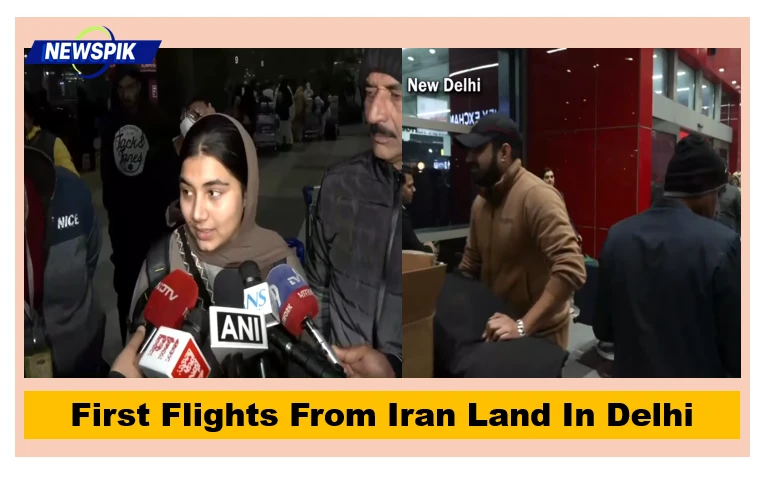

The wheels thumped down onto the tarmac, followed by the roar of reverse thrusters — a noise that for those on board one of the first flights from Tehran to Delhi this week meant much more than just a landing. It meant that a week of confusion was over, and that safe harbor could at last be found.
The cabin doors opened at Indira Gandhi International Airport and the air was heavy with fatigue, and physical relief. For many of the Indian nationals and other returning travelers on board, they were not simply traveling over geographical borders but also making a frantic escape from the now-embattled nation, reeling under a communications blackout and growing civil unrest.
The Quiet of the Grid: Living without the Digital World
For those pouring into Delhi one of the most chilling experiences was a sudden and complete “digital isolation.” These days, we expect to be able to check a map or send a message or scroll through the news and have some sense of how safe our surroundings are. In Iran, it was cut off.
“You don’t know how dependent you are on your phone until the bars disappear and never return,” said Sameer, a graduate student who had been studying in Tehran. It was not only about social media. It was about safety. We couldn’t order a cab; we couldn’t see which streets were blocked by protests; we couldn’t even let our parents in Delhi know that we were safe. The silence was as loud as the protests.”
The Iranian government’s move to throttle and then shut off the internet in centers across the country was aimed at attempting to stop coordination of protests. But such a decision also left thousands of foreigners and locals caught in the crossfire feeling a void, and they filled that with fear. Rumors were the only currency of news, and for those trying to reach the airport, every corner turned felt like a gamble.
Iran protest sees massive escalation, nationwide internet cut as exiled prince’s war cry
Negotiating “The Danger Zones”: Getting to the Airport
The tales from that arrivals terminal in creating a portrait of an unstable country. Although the mainstream press was effectively state-controlled, reporting on the ground was reported to be “unpredictable and electrifying.”
Riders shared tales of maneuvering through clouds of tear gas and avoiding major squares where security forces and protesters met. Ordinarily, the drive to Motahari from central Tehran takes an hour; many found themselves on the road for multiple hours.
“There was just a general sense of hysteria,” said Megha, a consultant who had been in Iran for a short project. My driver was not just super brave, even he was shaking. He kept the radio silence and the windows up. When we saw the airport gates at last, I think everyone in the car took their first deep breath of three days.”
The Emotional Reunion Tears and Tarmacs in Delhi
In Delhi, the air at the arrivals gate was charged with a different sort of intensity. Families had been camping out at the terminal, clutching phones that went unanswered for days. With no internet access, many families didn’t even know if their relatives had made the flight until they saw the status change to “Landed” on the airport’s system.
When the first group of passengers stepped through the sliding glass doors, the terminal erupted. It was a moment defined by tears, long hugs and the frantic checking of faces.
“I haven’t slept since Tuesday,” said Rajat, whose daughter was on the flight. The hardest part was not getting to hear her voice. This isn’t something that just stops — it’s like a weight one day off of my chest and shoulders for years to come…“Because watching her walk through those doors…it’s… It’s like I can breathe again.”
Iran Protests LIVE: Trump calls on Tehran to show protesters humanity amid reports
The Broader Implications: A Region on Edge
The appearance of these planes is a turning point in the crisis. With India and other countries focusing on evacuating their citizens, the geopolitics of Iran continue to be murky. The demonstrations, fueled by long-running economic grievances and social constraints, show no immediate signs of going away.
For the Indian state, the concerns still are about the safety of its remaining diaspora. The MEA has been using backchannels to keep air corridors open while things go from bad to worse internally in Iran.
The tales these passengers have brought home are a chilling reminder how soon stability can be shattered. Now secure in Delhi, their minds often wander to the friends and colleagues they left behind — people who didn’t have the privilege of a boarding pass to a quieter reality.
Iran Sees Fresh Protests, Nationwide Internet Shutdown Continues
Looking Ahead: What Happens Next
Now, as the travelers are settling in to their homes in India, the adjustment is jolting. (They would do so in a world devoid of the “No Internet” universe to which they traveled, one filled with wireless 5G signals and a 24-hour news cycle.) But the mental effects of a life spent in a conflict zone remain.
For many of the arrivals there was a deep sense of appreciation at how quickly everything had been arranged to enable these flights. But they also underscored the necessity for enhanced emergency communication strategies to reach citizens overseas when digital infrastructure breaks down.
The “Delhi-Tehran” corridor means more than just a route of flight; it is now an artery between chaos and calm. For as long as the protests continue, and the digital blackout is in effect, these flights will be a crucial lifeline for those right in the middle of history.
Iran in ‘big trouble,’ says Trump; threatens strikes again if violence continues

A versatile writer mainly works on trending news, daily updates from politics, business, crime, current affairs and entertainment.