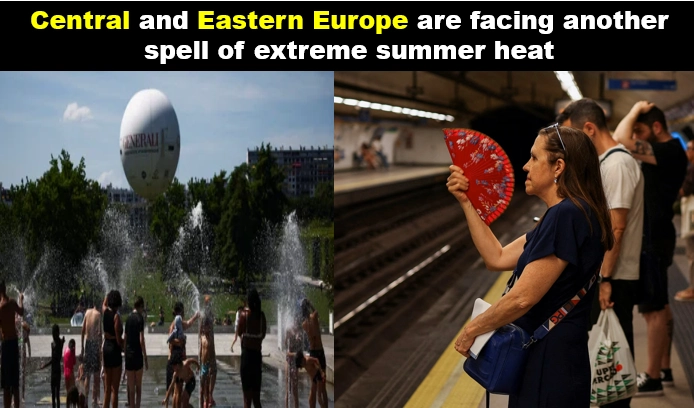

A prolonged spell of extreme heat continues to affect central and eastern Europe, with weather forecasts predicting temperatures of up to 38C in several regions. The ongoing heatwave has intensified concerns among authorities and residents as unusually high temperatures persist across multiple countries.
Meteorologists say the hot conditions are expected to continue in the coming days, increasing risks linked to heat-related illnesses, pressure on infrastructure, and environmental challenges. Officials across the region remain on alert as the severe weather pattern shows little sign of easing immediately.
Heatwave Intensifies Across Central and Eastern Europe
Large parts of central and eastern Europe remain under the grip of a powerful heatwave as soaring temperatures continue to dominate weather conditions across the region. Forecasts indicate that temperatures could climb as high as 38C, extending an already difficult period of intense summer heat.
The continuing rise in temperatures has affected daily routines in several areas, particularly during peak afternoon hours when outdoor conditions become especially challenging. Residents have been advised to limit unnecessary exposure to the sun, remain hydrated, and follow official guidance issued by weather and health authorities.
Meteorologists monitoring the situation have pointed to a persistent hot air mass that remains positioned over much of the region. This weather system has prevented significant cooling and contributed to unusually warm daytime and nighttime temperatures.
The prolonged nature of the heatwave has raised concerns among emergency planners and public health officials, particularly as high overnight temperatures reduce opportunities for recovery from daytime heat.
Temperatures Forecast to Reach 38C
Weather forecasts suggest that several parts of central and eastern Europe may experience temperatures approaching 38C. Such levels are significantly above seasonal norms and increase the likelihood of heat stress, especially among vulnerable populations.
Urban centers are expected to face some of the most difficult conditions. Dense infrastructure, concrete surfaces, and limited airflow can create urban heat island effects, making cities feel even hotter than official temperature readings indicate.
Authorities are encouraging residents to take preventive measures, including:
- Drinking water regularly
- Avoiding outdoor activities during peak heat
- Staying in shaded or air-conditioned spaces
- Checking on older adults and vulnerable individuals
The continuing heat has also placed greater pressure on energy systems as demand for cooling equipment increases across households and businesses.
Also read: Mumbai Rain Havoc: Wall Collapse, Flooded Roads and Train Disruptions
Public Health Concerns Grow Amid Prolonged Heat
Health agencies across Europe are closely monitoring the effects of the ongoing heatwave. Prolonged exposure to extreme temperatures can increase the risk of dehydration, heat exhaustion, and other heat-related medical emergencies.
Officials have repeatedly stressed the importance of protecting vulnerable groups, including:
- Elderly residents
- Young children
- Individuals with chronic illnesses
- Outdoor workers
Hospitals and emergency response teams in several areas remain alert as the hot conditions continue. Public awareness campaigns have also been expanded to educate residents about recognizing symptoms linked to excessive heat exposure.
Medical experts note that consecutive days of high temperatures can create cumulative health impacts, especially when nighttime temperatures remain elevated and prevent adequate cooling.
Infrastructure and Environmental Pressure Increases
The ongoing heatwave is not only affecting public health but also placing additional strain on infrastructure and environmental systems across central and eastern Europe.
Transport networks, electricity grids, and water resources are facing growing pressure as temperatures continue to rise. Increased energy consumption linked to air conditioning and cooling systems has led authorities to monitor electricity demand closely.
Environmental concerns have also intensified due to the prolonged dry and hot conditions. Experts warn that sustained high temperatures can contribute to worsening drought conditions and elevated wildfire risks in vulnerable regions.
Agricultural sectors are also likely to experience difficulties as crops and livestock remain exposed to extreme heat. Farmers in affected areas may face challenges linked to reduced soil moisture and heat stress on agricultural production.
Also read: 15 Unforgettable Experiences To Have In India This Summer
Authorities Continue Monitoring Conditions
Government agencies and meteorological organizations across Europe continue to track developments closely as forecasts indicate that the heatwave may persist for several more days.
Local authorities in some regions have encouraged residents to remain indoors during the hottest periods of the day and avoid unnecessary physical activity outdoors. Cooling centers and public health advisories may also be expanded if temperatures continue to remain exceptionally high.
Emergency response teams remain prepared to respond to heat-related incidents, while weather agencies continue issuing updates regarding temperature forecasts and safety recommendations.
Officials are also paying close attention to wildfire conditions in dry regions where extreme heat and low humidity levels could increase fire danger.
Forecast Indicates Limited Immediate Relief
Current weather models suggest that meaningful relief from the heat may not arrive immediately for many affected regions. Although temporary fluctuations in temperature are possible in isolated areas, forecasts generally point toward continued above-average temperatures.
Meteorologists continue analyzing atmospheric patterns to determine how long the hot air system will remain over central and eastern Europe. The persistence of these conditions has increased concern about the cumulative impact of the heatwave on public health, infrastructure, and the environment.
Residents are being urged to remain cautious and stay updated through official weather alerts and advisories as the situation develops.
Also read: A summer without Alphonso? India’s favourite fruit is limited as climate shock hits
Heatwave Highlights Broader Climate Concerns
The latest period of extreme heat has also renewed wider discussions around climate patterns and the increasing frequency of intense summer temperatures across Europe.
Scientists have repeatedly warned that prolonged heatwaves are becoming more common in many parts of the world. Extended periods of extreme heat can affect public health systems, agriculture, ecosystems, and economic activity on a large scale.
While authorities continue focusing on immediate safety measures, the current weather conditions have once again highlighted the importance of long-term planning and preparedness for extreme climate events.
Conclusion
Central and eastern Europe continue to experience severe heatwave conditions as temperatures are expected to reach 38C in several areas. The prolonged spell of extreme heat has raised concerns over public health, infrastructure strain, wildfire risks, and environmental impacts.
With forecasts suggesting that the hot conditions may continue in the coming days, authorities across the region remain focused on monitoring developments and issuing safety guidance. Residents are being encouraged to take precautions and remain alert as Europe faces another intense period of summer heat.

A versatile writer mainly works on trending news, daily updates from politics, business, crime, current affairs and entertainment.