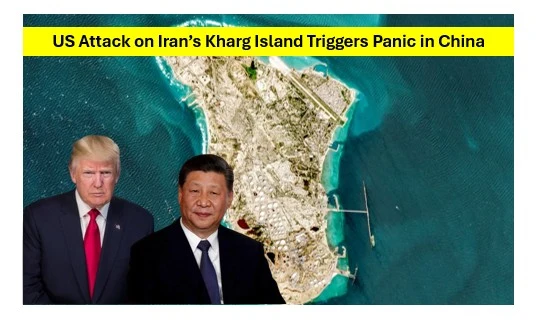

A US military operation targeting Iran’s strategic oil infrastructure has raised major alarm bells among China. This shows how tensions escalate in the Middle East can have immediate, far-reaching effects on the international economy. The attack on Kharg Island in Iran, which is a main oil export hub for Iran, has increased concerns about disruption to the world’s energy supply and has made China, the world’s largest importer of Iranian crude oil, very nervous through its energy markets and politically. There are clear implications for how political conflict can quickly have significant effects on distant economies, and how geopolitical issues can alter global strategic calculations.
After the US did an airstrike on Kharg Island – which provides approximately 90% of Iran’s oil exports – the crisis has grown larger through military engagements between the US and its allies and Iran and continued escalations of military involvement by other countries in the Middle East. In particular, the attack created fear of serious disruption to Iranian oil exports because Kharg Island is a key point for moving crude oil out of Iran and thus affects global energy supply.
Panic in China’s Fuel Market
In China, panic buying due to elevated fuel prices produced a reaction of intense and rapid consumption. Reports also note that long lines formed at gas stations as consumers rushed to fill their tanks due to fears of impending supply issues.
At the same time, China has implemented an increase in the regulated prices for gasoline and diesel products to the highest levels they have experienced since 2018. The immediate rise in fuel prices is indicative of increasing uncertainty about future oil supplies and exposes that China is very reliant on imported energy.
Due to the panic buying actions, there were obvious indicators that public confidence in stable fuel supplies was severely shaken as a result of geopolitical changes. This illustrates how global conflicts can rapidly affect the domestic economies of large industrialized nations.
Dependence of China on Iranian Oil
China has been one of the largest consumers of Iranian crude oil and has historically relied on discounted shipments from Iran, even with the existing global sanctions against Iran. The energy exports from Iran are therefore strategically important for the energy security and industrial growth of Beijing.
If the duration of disruption of exports from Kharg island becomes protracted, the cost of importing crude oil to China could rise dramatically and supply challenges at the refineries could be created for China. Additionally, a prolonged disruption in shipments from Kharg Island would result in refineries searching for viable and economical sources of supply.
Analysts say that there is a dependency between both nations and that is behind the concern that Beijing has over the US airstrike — if there were to be prolonged instability in Iran, that could impact China’s economic planning and delivery of energy supplies.
Read more: Why has the US targeted Iran’s Kharg Island?
Wider Global Repercussions
There is also concern that this escalation will lead to possible escalation throughout the Middle East. If further tensions arise between the United States and Israel versus Iran, this impacts as important shipping routes through the Persian Gulf.
This region supplies the world with a large portion of the oil that it consumes, and so any type of disruption can cause significant ripple effects to the global economy. For China, which relies on imported energy to fuel its manufacturing, any sort disruption to its delivery of energy could also cause slower economic growth and upward push to inflation.
The ongoing Iranian Crisis also demonstrates the strategic vulnerability of countries that are reliant on external sources of energy.
China’s Strategic Concerns
In addition to the immediate concern of their economy, this attack has brought up other strategic issues for the leadership in China. Historically China has sought to promote stability in the Middle East to protect their energy delivery and maintain security of their trade routes.
Whether or not a powerful nation is engaged in the escalation, this could create complications for China’s diplomatic balancing act within the Middle East. China has a significant alliance with Iran; however, it has also attempted to strengthen its relations with the Gulf nations and the other significant countries of the world.
China’s need for energy partnerships and energy diversity remains undecided. Still, because of recent events, it could result in hastening its commitment to energy diversity, renewable energy investments, and strategic energy reserves to reduce their dependence on unstable global regions.
Read also: Middle East Erupts as Israel and the United States Strike Iran
Final Thoughts
The attack on the Kharg Island Oil Terminal in Iran is creating a domino-like situation for the global economy beyond the Middle East. There’s panic in-between countries concerning oil purchases and oil imports. This alarm being created due to the attacks and actions of an undetermined country causes increased concern with businesses who purchase oil from China. This increase in oil prices in China can be attributed to the increased concern generated by disruptions occurring within the oil supply chain. This also offers a strong indicator that the energy market of the world is interconnected; when there’s a disruption & conflict with an energy-producing naturally occurring region, there is a ripple effect in the world’s largest economies.

I am a versatile content writer from the MP region, covering politics, business, crime, current affairs, entertainment, video games, and sports with clear insights, engaging analysis, and timely, reader-focused updates.