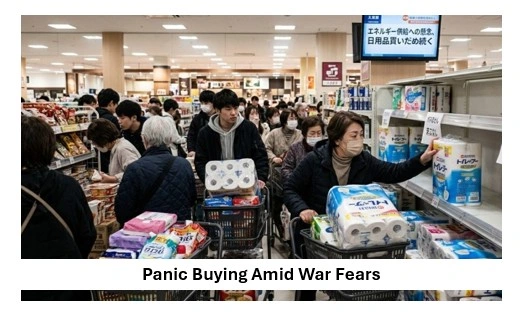

Tensions due to the ongoing war situation causing high levels of anxiety for citizens heightened beyond just the basic food staples (canned goods, rice, pasta), frozen foods, cleaning products and many other types of household items.
There is great concern among retailers and suppliers that demand will continue to exceed supply as people keep preparing themselves for what may happen. To this extent, supplies of all these products can fluctuate (and/or run out) on a regular basis based on customer demand and whether manufacturers can deliver those products when requested.
Essential Supplies Vanish from Shelves – Rising Anxiety Fuels Consumer Rush
Supply chain disruptions caused by COVID-19 have created a perfect storm for many retailers struggling to respond to the increased consumer desire for toilet paper and other essential goods. In fact, it was only recently that many stores began having to limit how much toilet paper customers could purchase at one time (e.g.: 1-2 packages) due to their inability to adequately replenish stock in a short time period.
Grocery chains with large distribution centers can ship goods to stores throughout their system in a very efficient manner, so grocery stores have not been experiencing supply chain issues. However, smaller retail chains and independent grocery stores are struggling to maintain adequate inventories of essential goods because they do not have the resources available to compete with large grocery retailers on price and delivery terms.
Supply Chain Pressures Intensify
Due to the ongoing war, logistics and transportation have been affected severely resulting in unreliable delivery times and have caused the closure of some distribution routes. Suppliers have expressed concern that panic buying may lead to artificially created shortages of products due to panic buying but supply is being maintained at normal levels with available capacity to meet demand. On the other hand, it may prove difficult to keep consistent levels of stock since companies with larger spaces and those who are receiving products based on their priority with suppliers will have undue advantages over smaller distributors/retailers.
Ripple effects of panic buying
The ripple effect of panic buying has had a negative impact on the most vulnerable populations, as seen for example, among those who are elderly, those whose income is low and animal shelters that depend on the purchase of a large number of pet foods in order to care for/regain possession of dogs/cats. Therefore, those who don’t have access to stores during their early morning restocking hours are at a disadvantage in attempting to purchase enough products to have enough for the long haul or are unable to purchase by the bulk. Community leaders have requested that all of us take responsibility for our purchasing habits and consider the societal impact of our own decisions regarding how we purchase products.
Government and Retail Response
Local governments & retailers are working together to limit buying so there will not be hoarding or an item shortage. Although supply chains are currently weak, they are still operational and thus consumers do not need to hoard items for future use. Retailers are attempting to receive more product by delivering all items ahead of their normal schedule and concentrating on delivering essentials, but the amount purchased by consumers will ultimately decide how long it will take for the market to stabilize.
Read more: Keralam officials request people to avoid panic booking of domestic
Psychological Aspect of Panic Buying
The fear of being without food is creating panic buying because consumers do not have a sense of control. The fear of not having food drives panic buying as consumers attempt to regain control over their situations during crisis situations. The urgency caused by social media increases panic buying. As a result, social media will influence other people’s panic buying, which leads more people to panic buy but does not help the situation of panic buying or hoarding.
Calls for Calm and Responsible Purchasing
Officials and community organisations have made an appeal to people during this time of upheaval in the world, asking individuals to remain calm and limit themselves to basic purchasing only; with respect for others in the community. Ordinary actions by individuals buying in moderation and looking after their local neighbours can relieve stress on supply chain systems. The nature of how war will evolve and differ from the past means that maintaining the basic principle of working together as one may ultimately be as important as any logistical solutions, to provide the community with sufficient supplies of essential goods.

A versatile writer mainly works on trending news, daily updates from politics, business, crime, current affairs and entertainment.









