When he was running a 102-degree fever in Parliament this week, Union Home Minister Amit Shah gave his scathing response to the Opposition claims of vote theft in Parliament, the top government sources have disclosed. Even in his condition, Shah preferred to turn up at the meeting and answer the accusations on the record, citing that it was essential to respond to the government’s characterisation of what it discussed as “misleading narratives” in the heated debate.
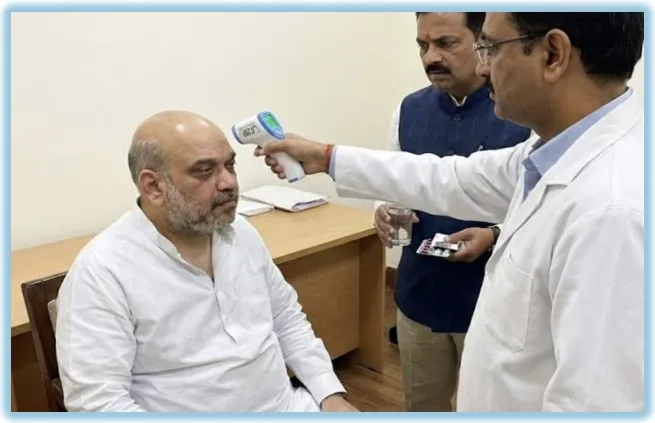
Shah Insisted on Attending Despite High Fever
Shah had been advised to take a rest after having developed a high temperature in the previous night as officials with knowledge about the same indicated. But he apparently demanded to be heard in the House, on the plea that the charges brought by the Opposition demanded a prompt and absolute reply from the highest government authorities.Doctors with Shah had given him the green light to talk but not to exercise a lot, the sources said. Shah stayed in the chamber a long time despite the instruction and took a significant part in the debate.
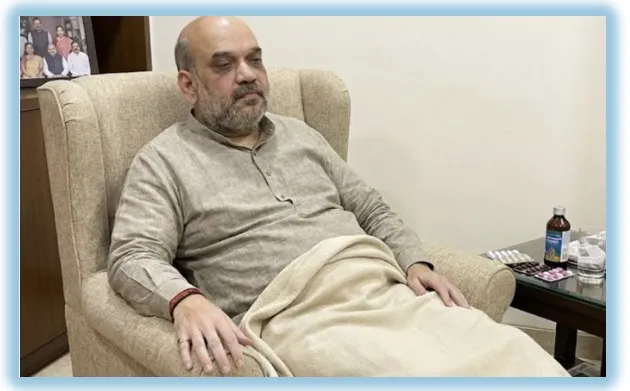
‘Vote Theft’ Charges Sparked Intense Exchange
The outburst started with accusations by Opposition MPs that the government weakens democratic norms and claims abnormalities in the recent elections. In reply, Shah rejected it as baseless, politically driven and tormented to undermine institutions in India.
He claimed that the Indian electoral system was one of the most credible in the world and charged the Opposition with seeking to delegitimise the findings it cannot politically take. His observations provoked vociferous disapprobation on the benches on the opposite side, and were several times interrupted by the Speaker.
Read more:
- BJP Sweeps MCD Bypolls- Wins Chandni Chowk
- INDIA bloc to move an impeachment motion against Justice G.R. Swaminathan
Government Says Shah’s Presence Showed ‘Sense of Duty’
Members of government later claimed that Shah chose to attend the session despite being sick because of his duty and commitment to the work of parliament. They added that the Home Minister was moved to take direct action since the allegations involved the credibility of the Election Commission and the process of democracy in general.
Some of the ruling party MPs confided in me that they did not know about Shah’s condition until the session was over. Others termed his attendance as unexpected and admirable, considering the severity of his fever.
Opposition Downplays Illness, Focuses on Remarks
The leaders of the opposition, however, maintained that the attention should be put on what was being said by Shah and not on his health. They insisted that their interests in transparency of the election process were material and needed to be answered, rather than the rhetorical counter-reactions.
Some of the MPs indicated that news concerning the fever of Shah was geared towards placing the debate in a sympathetic context, even though they did not comment on the issue publicly. They once again explained that electoral scrutiny was a fundamental part of democratic processes and should not be represented as such.
Session Continues Amid Spirited Political Atmosphere
The next day, Shah was absent from the House, and it was confirmed that he was taking a rest on medical advice. Parliament business, however, remained electrified, with each party gearing up for further deliberations on electoral changes and issues within the government.
Political observers attribute the confrontation to the growing adversarial nature of the current session, where both ruling and Opposition parties have been stepping up their messages both inside and outside the House.

I am a versatile content writer from the MP region, covering politics, business, crime, current affairs, entertainment, video games, and sports with clear insights, engaging analysis, and timely, reader-focused updates.