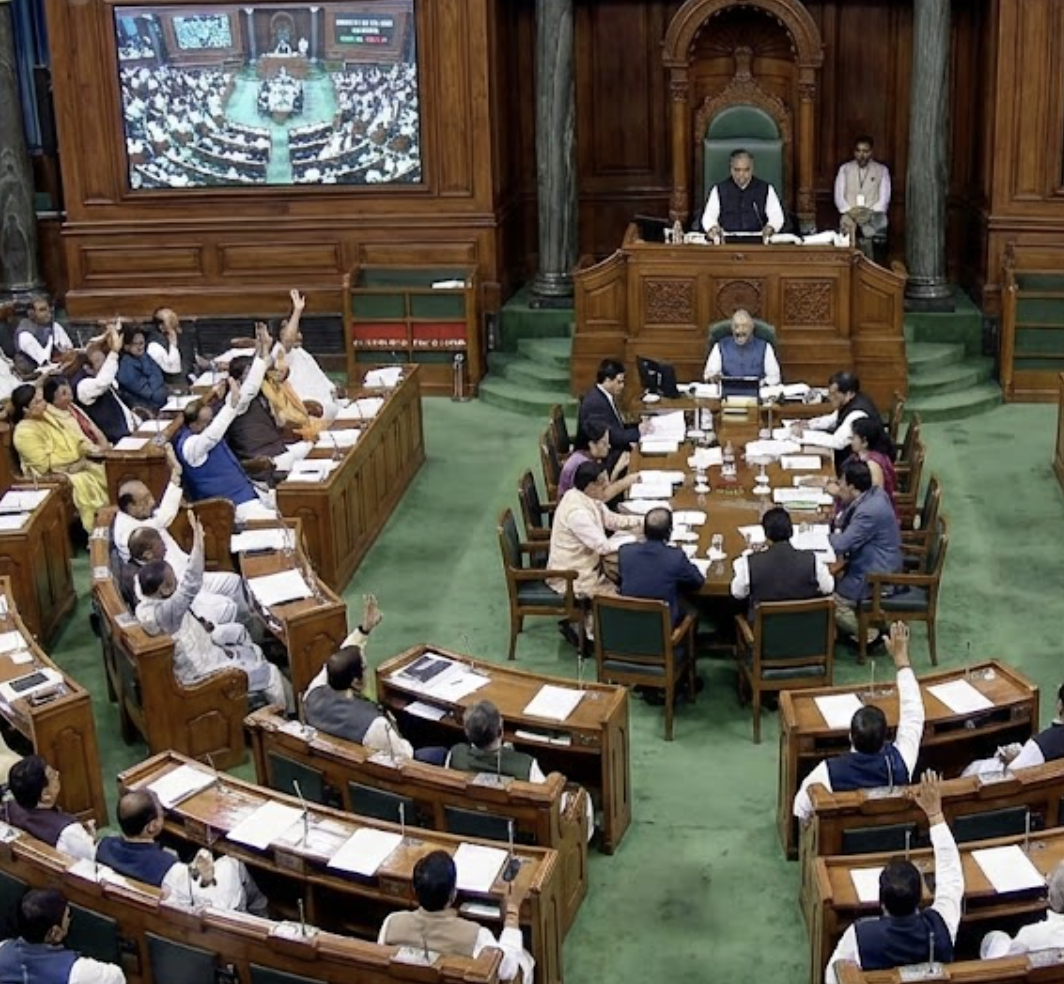

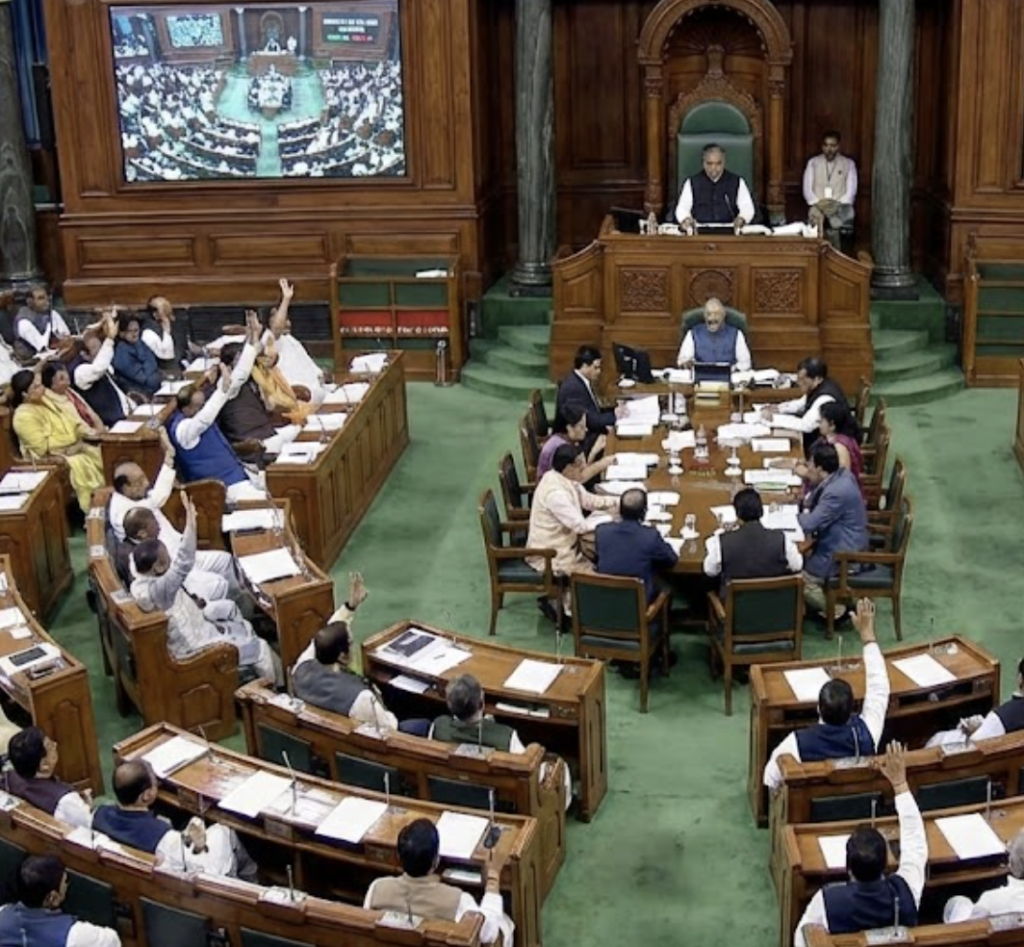
The Manipur Goods and Services Tax (Amendment) Bill 2025 was passed in parliament on Tuesday. It is the first step towards ensuring that the tax system in Manipur is aligned with recent recommendations by the GST Council. The consent comes as Manipur moves towards economic balance and administrative reform after months of turmoil and upheaval in state affairs.
The Bill, which amends several major clauses of the current GST Act in Manipur, passed both Houses, but opposition MPs objected to the fact that the state was not ready to adopt the new compliance standards.
Key Amendments Focus on Digital Compliance and Revenue Mobilization
The amendment of 2025 brings in new compliance, such as the mandatory digital invoicing of businesses with medium and large sizes, simplified filing of returns, and revised tax slabs for a range of goods and services. According to officials, the changes are set to enhance transparency, seal the sources of revenue leakages, and assist businesses in moving towards a more organized tax system.
To enhance the anti-evasion provisions, the Bill also contains provisions to enable faster intervention by tax authorities in fraudulent claims to input tax credit and unregistered trading. Economists are of the opinion that such measures would help a great deal in enhancing revenue collection in Manipur, which has been registering regular GST deficits in the last two years.
Read also:
- Mamata Banerjee Annoyed With MLA Over Babri Mosque Proposal:
- Aadhaar Just Won’t Do Now
- Tejashwi Yadav is now the undisputed leader of the Mahagathbandhan
Government Says Move Will Boost State’s Economic Recovery
The approval of the revised GST structure by officials of the Union Finance Ministry was greeted, as they said that the Manipur state administration will be able to get back on track economically. The government underlined that the amendments will fit the administration of tax administration by modernization and will bring the financial governance of Manipur to the national level.
During his speech in Parliament, the Finance Minister said that the Bill is required to sustain constant business activity, enhance compliance rates, and increase the state government’s revenues.
To aid Manipur in using digital tools, training state officials, and helping small businesses to adjust to the new system, the Centre has also guaranteed both technical and financial assistance.

Opposition Flags Concerns Over Readiness and Stability
Although the opposition leaders did not oppose the Bill per se, they cast some doubt on Manipur’s ground-level preparedness. They claimed that some of the districts continue to have problems with connectivity, and small traders cannot easily make digital invoices and submit returns online.
Other MPs also raised concerns about whether the state’s administrative machinery, which has been shaken over months by ethnic tensions, is sufficiently prepared to apply the same across the board.
One of the opposing MPs observed that reforms should be graded in line with the realities of a particular state, and that the Centre should carry out a regular review to ensure that businesses located in war-torn regions were not put under unnecessary strain.
Industry Groups Welcome Clarity but Urge Support for Small Traders
Manipur Local trade associations have reacted with caution but show a positive reaction as well. There were universal positive responses to the more transparent rules and simplified compliance procedure, with the argument that a clearer GST structure might stimulate investment and restore the confidence of the business sector.
Nevertheless, small traders have complained about the cost of switching to digital invoicing systems and maintaining regular online reporting. They have advocated for incentives, training workshops, and technical assistance by the state government to facilitate a smooth implementation.
Experts Predict Gradual Economic Impact
According to the tax experts, the Manipur GST Bill 2025 has the potential to enhance efficiency in the revenues in two to three years, as long as implementation challenges are controlled at the earliest stage. They also hope the new structure will make the tax environment more predictable, which can attract new businesses and investors to the state.
Nevertheless, scholars also warn that the benefits will be slow to manifest and will mainly depend on peace, the recovery of normal economic activity, and the state’s capacity to ensure compliance at all times.

I craft sharp movie reviews and trend analysis, known for deep research, clear insights, and compelling storytelling across the latest in film and pop culture.