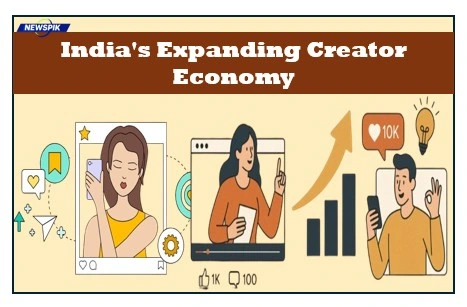

Within this new ecosystem are the individual content creator, influencer or digital personality who produce content, build communities that engage with it and monetise their influence over them. This is an extremely vast category that has become a strategic driver of the economy, reshaping marketing methods for businesses, the culture we live in, how we trade and how we access information on a global scale. The creator economy was estimated to be worth 200 billion dollars by 2024 and projected to be worth more than USD 1 trillion by 2030. The creator economy will continue to grow at a very rapid double-digit rate throughout the next decade.
Platforms such as TikTok, Instagram Reels, YouTube Shorts, Snapchat, and the new kids on the block are fundamental to this rapid growth. It is important to note that short form video has now become the most preferred method of engagement and communication using digital channels.
In the next five years we will see analysts give more credence to the growth of the Creator Economy. It is believed that in the next few years many brands will cease to rely solely on traditional marketing practices and instead allocate a considerable portion of their marketing budget toward the development and implementation of influencer/celebrity-driven marketing campaigns.
Creators Are Moving Beyond the Camera
Today, being a creator means much more than just being in front of a camera. A growing number of creators are evolving into full-fledged entrepreneurs. They are launching new businesses and products, creating their own brands, and negotiating lucrative contracts in excess of millions of dollars.
In an unprecedented move, global megastar creator Khaby Lame sold his business to a nearly $900 million sale, demonstrating how an individual’s digital fame can be converted to real-world value by corporations.
This transition is being observed in the creator brand examples of lifestyle products and skin care lines being acquired or growing as independent businesses; it also shows that creator culture will shape real marketplaces, valuations, etc., rather than just drive consumer attention.
Moreover, creators are developing their own teams, agencies, and tech stacks to function as a media company themselves — as the infrastructure for influencer-based marketing is increasingly being established outside of traditional agency models.
Indian YouTube creator earnings per 1,000 views, top creator secrets
Authenticity, Trust and Consumer Influence
One of the main reasons the Creator Economy is so strong is that consumers have a higher level of trust in creators than in traditional advertising channels. The majority of influencer marketing will outperform traditional avenues in driving purchase decision-making—due to having greater authenticity and relatability than most traditional sources. Research studies and industry statistics show creators now account for 30%–40% of consumer purchase decisions, with consumers being more likely to consult with a creator before turning to a brand through traditional advertising.
Brands are changing their focus from vanity metrics — such as having a lot of followers — towards some less spontaneous outcome-based partnership that emphasize how well the brand engages with its audience or how relevant the brand is to them as well as measuring the impact of the partnership. In addition, this shift of focus has also increased the value of micro and nano influencers who typically derive more value from their niche communities than mega-influencer ambassadors with many more followers.
India’s Expanding Creator Economy
India is experiencing massive growth in terms of the number of creators within the creator economy:
- High Level of Growth by Number: The total number of influencers increased from less than 1 million to over 4 million in the last four years – representing a 300 % increase in less than four years;
- Strong Economic Impact: Influencer marketing spend in India is expected to grow by close to 25 % in 2025 and brands are moving towards establishing long-term and quality-based relationships rather than relying on short-term campaigns;
Many come from smaller cities (Tiers 2 and 3) and are creating content with different voices, languages, and regional cultural elements than ever before.
Influencer Marketing within the Festive Season:
Historically, during periods of high demand for festive holidays there has been substantial amounts (i.e. hundreds of crores) spent on influencer partnerships to drive traffic to retailers, and to create billions of impressions on social media channels, often bypassing traditional means of discovering products/services.
Several studies predict that by 2030, the Indian creator economy will generate $1 trillion in consumption, signifying that it will play an instrumental role in facilitating the larger digital economy.
Key Trends Impacting Future Phases – Long-Term Partnerships between Brands and Influencers:
There is an industry-wide movement away from standalone influencer campaigns and towards creating long-term, multi-faceted partnerships that deliver measurable results for brands.
- Integration of Artificial Intelligence: There is an increasing amount of interest in using AI to generate content, analyze audiences, and develop “virtual influencers” as well as extending existing personas through AI.
- Diversifying Content: Brands are developing content across multiple formats (video, live streaming, newsletters), thereby merging entertainment with marketing and commerce, thereby evolving the definition of success.
- Valuing Authenticity over Follower Counts: In particular, younger audiences (i.e. Gen Z) are increasingly rewarding brands/creators who produce authentic & valuable content, creating new paradigms for measuring success through collaborations.
Challenges and the Road Ahead
The ecosystem is facing many difficulties even after experiencing unprecedented growth: there has been a saturation of creators, there is increasing pressure to monetise for the largest creators, there is an increased risk of losing an audience due to boredom, and there are more demands for accountability from platforms and regulators.
The message is clear – the creator economy has moved from being a novelty associated with social media to being an integral part of all aspects of global digital commerce, media, and culture. This will only continue to become stronger over the coming years as creators continue to change the way we create not only content but industries as well.

I am a versatile content writer from the MP region, covering politics, business, crime, current affairs, entertainment, video games, and sports with clear insights, engaging analysis, and timely, reader-focused updates.









