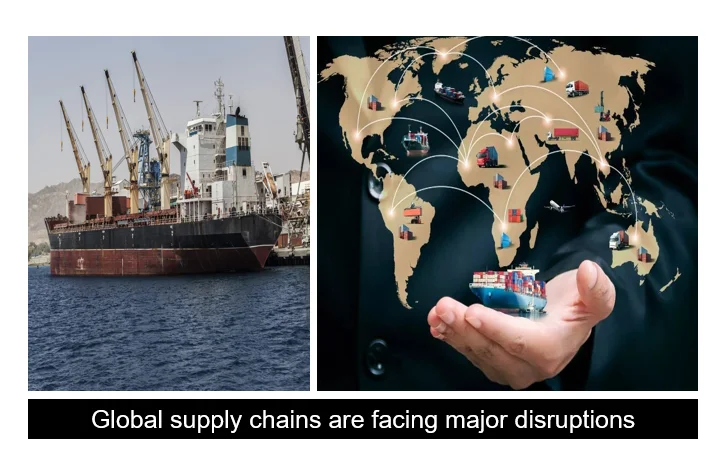

The continuing conflict has greatly disrupted international trade routes, prompting logistics companies to reevaluate how they operate. Important shipping lanes and ground corridors have become unsafe or virtually impossible to traverse, creating congestion elsewhere. Traditionally efficient port operations are now impacted and cannot keep pace with container shipment deliveries, and ship turnaround periods are extended because of the large number of container ships at ports.
Disrupted Trade Routes Create Bottlenecks – Rising Fuel Costs Add Financial Pressure
The sudden increase in fuel prices is creating significant financial pressure on logistics businesses. The conflict has impacted oil supply chains and the resulting geopolitical tension has created uncertainty in the market. The cost of transportation has been driven upward significantly, and because fuel is a large portion of operating costs, logistics companies have seen their profit margins shrink since oil prices had increased so quickly. As a result, logistics companies are now passing those costs on to their customers by increasing the prices of goods across the globe.
Supply Chain Delays Impact Businesses Worldwide
The logistics disruption will also have a ripple effect across other industries as many manufacturers are having difficulty receiving their raw materials in a timely manner, and other companies are experiencing shortages of necessary products. The “just-in-time” inventory system, which was a key element of many companies’ operating models, has proven to be fragile given the current extended periods of uncertainty. As a result, businesses are now being forced to keep higher levels of inventory which will result in additional storage costs and less flexibility for their operations.
Read also: India Stands Firm as Ships Cross Strait of Hormuz
Shift Toward Alternative Routes and Modes
To adapt to logistics interruptions, alternative transport avenues are being looked at. For valuable and time-critical products, air cargo has been increasingly utilized, despite its expense. Rail and inland waterway transports are starting to be used more again, as logistics networks are being diversified by companies to limit route dependency.
Insurance and Security Expenses are Increasing Rapidly
War-related risks have significantly raised shipping insurance rates, especially in high-conflict locations. Additional security expenses, including re-routing vessels and the acquisition of extra security personnel, must now be included in shipping charges. These rising expenses place additional pressure on the shipping industry as a whole and contribute to increasing global trade costs.
Read also: Panic purchase of cat food and toilet paper amid war situation
Smaller Providers are Facing Greater Obstacles
Although major global shipping companies have the means to adapt, smaller logistics providers are finding it hard to maintain their businesses. Smaller logistics providers have limited financial reserves, and their lack of access to diversified logistics networks will hinder their ability to absorb increased shipping costs or effectively change their Shipping operations. If this trend persists, the logistics sector will likely see additional consolidation with larger providers capturing a greater portion of market share.
Long-Term Implications for Global Trade
The war currently taking place will likely cause long-term changes to how logistics companies will operate and conduct business globally. Many companies are beginning to reevaluate their supply chain strategies to take resilience into account as opposed to simply cost effectiveness. Examples of this new approach to supply chain strategy may be an increased focus on supply chain regionalization as well as an increased level of investment in technology and infrastructure.
Read also: Modi’s Strong Warning to Iran as Hormuz Crisis Threatens Global Trade
Conclusion
The logistics industry, commonly recognized as being the backbone of global trade, is currently experiencing extreme pressure from the continuing war. The effects of this war will require both businesses and governments to rapidly respond to the rapidly evolving and changing global raging product landscape. The continuing crisis is clearly highlighting just how interrelated and vulnerable global supply chains are to each other.

A versatile writer mainly works on trending news, daily updates from politics, business, crime, current affairs and entertainment.