A proposal from the Union government to submit the Virtual Digital Assets and Blockchain Services Authority (VBSA) Bill to a Joint Parliamentary Committee (JPC) is a positive indication that it is taking a cautious and consultative stance regarding the regulation of the highly dynamic Indian digital asset marketplace.
This action follows divergent politics and an industry desire to have clarity in cryptocurrencies, blockchain services, and virtual digital assets.
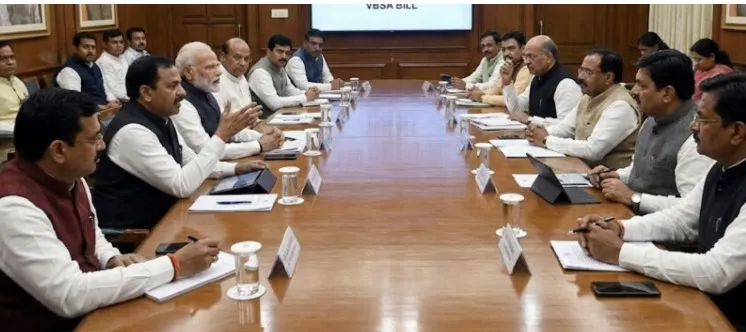
Proposal Aims to Build Wider Consensus
The government reckons that by submitting the VBSA Bill to a JPC, more consultations with the stakeholders, experts, and political parties would be possible (parliamentary sources). According to the officials, the legislation contains intricate technological, financial, and regulatory challenges, which need a vigorous examination, not just the regular parliamentary discussion.
A JPC, which is a combination of members of Lok Sabha and Rajya Sabha, is supposed to examine the bill clause by clause and report the recommendations that might influence the framework of digital asset regulation in India.
What the VBSA Bill Seeks to Regulate
The VBSA Bill will attempt to have a statutory authority to regulate virtual digital assets, blockchain platforms, and service providers. It suggests licensing conditions, compliance standards, customer protection measures, and money laundering and financial fraud prevention.
The bill also attempts to ascertain the legal category of digital assets and introduce consistency in the regulation, covering the lack of uniformity in regulation that has remained despite the introduction of taxation and reporting requirements in the past few years.
Opposition and Industry Seek Greater Clarity
The proposal to refer the bill to a JPC has been received with joy by the opposition parties, who believe that it would bring transparency and avoid hasty legislation. Certain legislators had previously expressed concerns regarding the possibility of being over-regulated and the effect on innovation, and the lack of clarity on how decentralised technologies would be treated.
The representatives of the industry have also asked the lawmakers to create a balance between regulation and innovation. According to blockchain startups and fintech companies, there are clear rules that the industry needs to attract investment and to avoid talent loss to other more friendly jurisdictions.
Why the Government Is Taking a Measured Route
The stance of the government is an indication that it has learnt lessons from events around the world, according to officials, where world nations have taken different directions when it comes to regulating cryptos. As digital assets present a threat when it comes to volatility, investor protection, and national security, officials desire a system that is strong but flexible.
Submission of the bill to a JPC will also provide room to harmonize domestic laws with evolving global laws and the recommendations of international financial entities.
What Happens Next in Parliament
Assuming it is approved by the Parliament, then the JPC will be formed within weeks and is likely to consult with regulators, technologists, economists, and industry organizations. The report of the committee may take some months, which may postpone the passage of the bill, but enhance its legislative base.
In the meantime, the proposal indicates that the government is placing emphasis on consensus and due process rather than speed. With India emerging as a leader in the digital economy, the resolution of the VBSA Bill will determine how future blockchain and governance of virtual assets in the country will run.

I am a versatile content writer from the MP region, covering politics, business, crime, current affairs, entertainment, video games, and sports with clear insights, engaging analysis, and timely, reader-focused updates.