Mexico just hit a reset on global trade policy, as its Senate this week approved hefty new import tariffs (up to 50%) on many goods from countries without free trade agreements with Mexico. The move, set to be fully effective in 2026, throws up a giant new trade barrier for the world’s biggest Asian exporting nations, led by India, China and South Korea with other exporters including Thailand and Indonesia.
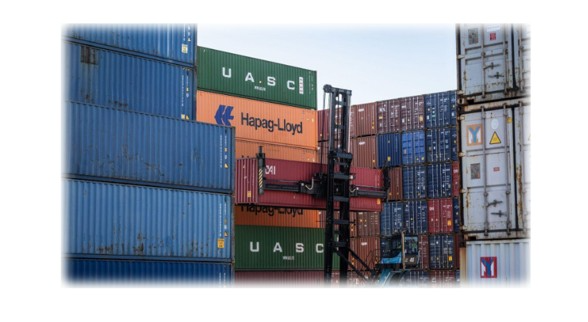
Taken together, as they touch more than 1,400 product categories, the duties are Mexico’s blunt response to protect its domestic industry sectors, augment fiscal revenue and perhaps most importantly bring its trade strategy in greater alignment with the preferences of closest trading partner — the United States.
New Trade Map: Targeting Some Of India’s Export Primes
The new tariff regime is not a tweak; it represents nothing less than an overhaul of Mexico’s import policy. The duties, which will be from 5% to as much as 50%, are levied at a time when India and other Asian markets have gained substantial market share in sectors that they did not export much to the United States until recently. The key affected categories include:
Vehicles and Auto Components: An important sector for Indian exports to Mexico which can become the gateway to North America.
Textiles and Garments: Labour intensive sector predominantly done by Asian manufacturers.
Plastics and Footwear: Consumer/industrial beaten up by pricing warfare.
Steel and Other Metals: Raw materials that form the backbone of many manufacturing supply chains.
With many of the tariffs expected to hit in the 35% category, a potential 50% duty on certain goods would make Indian products so expensive that they will become uncompetitive versus domestic Mexican goods and imports from its USMCA (United States-Mexico-Canada Agreement) peers.
Read also
The Driving Force: Protecting the Domestic and Appeasing the US
Driven by a mix of economic and geopolitical forces, the decision was backed by President Claudia Sheinbaum’s administration and passed with an overwhelming majority in the Senate.
Shielding Local Manufacturers
Advertisement The first and most cited one is to shelter Mexican industries at home; they have been overwhelmed by the flood of cheaper imports — mainly from China. The idea behind hiking the cost of these Asian goods is to stimulate local production, protect jobs and incentivize nearshoring supply chains into Mexico.
Generating State Revenue
Mexico’s finance ministry estimates that the new tariff regime could raise between $2.8 and $3.76 billion in added revenue each year starting in 2026. This extra revenue is very useful for the government in plugging its fiscal deficit and funding vital social and infrastructure projects.
Geopolitical Alignment with the US
Analysts say the tariff increase appears to be an effort to show that India is bowing to U.S. trade priorities and comes just ahead of a politically sensitive U.SMCA review. Although the US has recently raised concerns about the huge flow of Chinese goods in to its market, frequently transshipped through Mexico. This is Mexico’s way of showing it takes this issue seriously, and perhaps how the United States might back off on Mexican exports such as steel and aluminum if other countries are covered by similar tariffs. This bullish gesture is designed to shore up trade with the US, Mexico’s biggest economic partner.
The Implications for India: Export Barriers and Trade Adjustments
The tariffs are a major trade barrier for India. Bilateral trade between India and Mexico over the past few years has witnessed significant growth of over $10 billion, but these new taxes risk of driving down that rate and weakening the competitive position for Indian exporters.
Indian companies that have utilised Mexico as a natural gateway to the lucrative North American supply chains will have to bear with a much costlier arrangement. Mexican manufacturers that depend on Mexican consumers or producers will do the absorbing of costs as a result, or they’ll change their production and export models.
The decision reflects a rising wave of protectionism combined with the tangled pressures under which global supply chains operate. India, without any pre-existing FTA with Mexico, might have to launch a series of high-level diplomatic and trade talks to assuage the tariff blow, including potentially finding secure new free trade negotiations or turning to other Latin American markets for diversifying exports.

I am a versatile content writer from the MP region, covering politics, business, crime, current affairs, entertainment, video games, and sports with clear insights, engaging analysis, and timely, reader-focused updates.