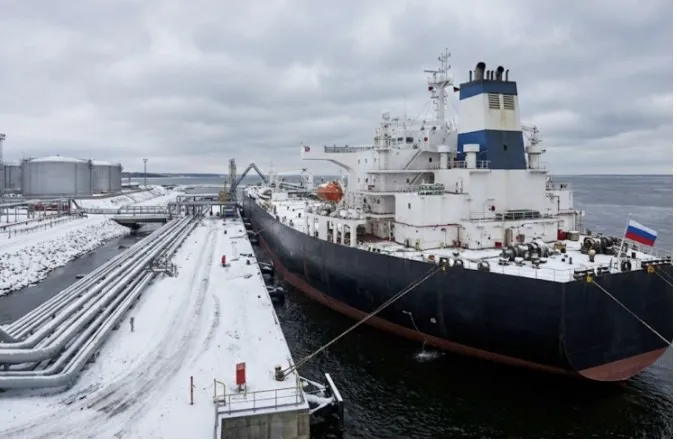
Though the western energy embargo on Russia and the pressure on Indian refiners to reduce Russian crude oil imports might have taken a heavy toll on the Russian oil trade, the Indian-Russian oil trade is beginning to show some signs of survival. This fact has continued to infuse the global energy dynamics through its geopolitical volatility.
Why the Partnership Endures
- India still wants to get cheap crude to fill the domestic demand, and Russia is keen on identifying reliable customers, as both countries have a kind of media calculated that becomes the cement of their energy relationships.
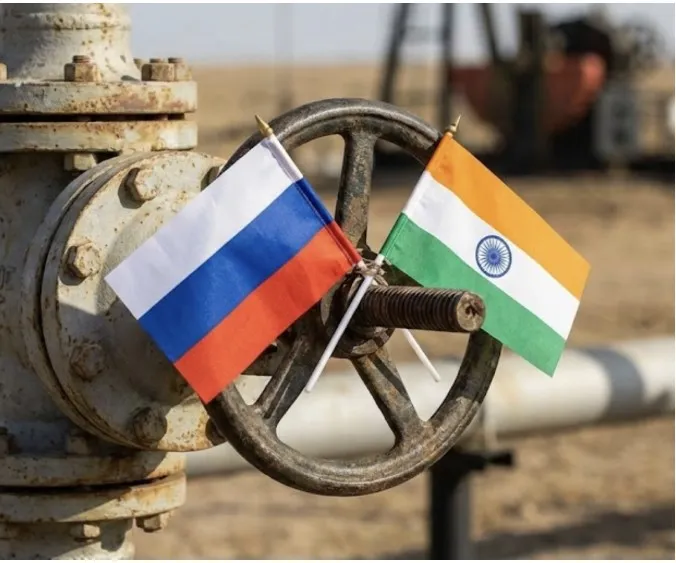
- To avoid sanctions and financial scrutiny, the two nations have resorted to using a rupee-rouble settlement system, thereby reducing their dependence on dollar channels dominated by the Western world.
- Despite ongoing sanctions on key Russian producers of oil, and international measures to limit Russian energy imports, Indian refiners (despite being wary) have persisted on Russian imports by non-sanctioned suppliers and pre-sold cargoes.
Also read:
- Dubai: Why the World’s Wealth — Including Indians — Is Choosing
- India pushing trade ties with Canada
- Reasons Why Stock Traders Should Care About the NSE IPO
- Putin Warns Europe of ‘Total Defeat’ If War Breaks
Short-Term Slump, Long-Term Potential
Statistics indicate that Indian Russian crude imports will plummet in December 2025, possibly to their lowest level in three years, as refiners seek alternatives in order to meet new western restrictions.
Nevertheless, according to many observers, this can be a temporary dip. It is hoped that imports will recover, market observers believe, now that Russia has managed to sell barrels around non-sanctioned refineries and independent suppliers, reducing the risks of meeting sanctions compliance and still being economically viable to Indian refiners.
A more recent Bloomberg report points to the fact that the Russia-India oil agreement has been holding strong and is supported by Russia being ready to sell undervalued crude and India needing the cheaper energy.
Broader Economic and Strategic Stakes
To India, the third-largest oil consumer in the world, the assurance of constant supplies of crude oil at reasonable prices is crucial for the country’s energy security, inflation levels, and economic development. Although some state-owned refineries are starting to import substitute crude, many major refiners are still buying Russian oil to sell it to meet demand and control margins.
Simultaneously, the trade highlights the broader strengthening of India-Russia relations outside the energy sector. The two countries have promised to increase cooperation in trade, defense, infrastructure, and technology under new agreements signed during Putin’s visit, with bilateral trade volumes expected to reach US$100 billion by 2030.
In order to protect bilateral trade against global uncertainties, New Delhi and Moscow are also enhancing rupee-rouble arrangements, considering long-term energy and industrial relations, and loosening reliance on third-party currencies.
Challenges — Sanctions, Supply Disruptions, and Global Pressure
But there are still diplomatic and economic backlashes. The U.S. sanctions against key Russian oil producers and the banking mechanisms have raised eyebrows among most of the Indian refiners, some of which publicly halted the purchase of Russian oil.
The threat of secondary sanctions and increased compliance regulations, and scrutiny of oil shipments around the world remains an operational threat to the energy companies operating between Moscow and New Delhi.
This pressure is captured in a very steep decline in the projected crude imports in December: there are refiners that are reducing their Russian consumption and others that are waiting to be informed about the implementation of sanctions and alternative shipping options.

I craft sharp movie reviews and trend analysis, known for deep research, clear insights, and compelling storytelling across the latest in film and pop culture.