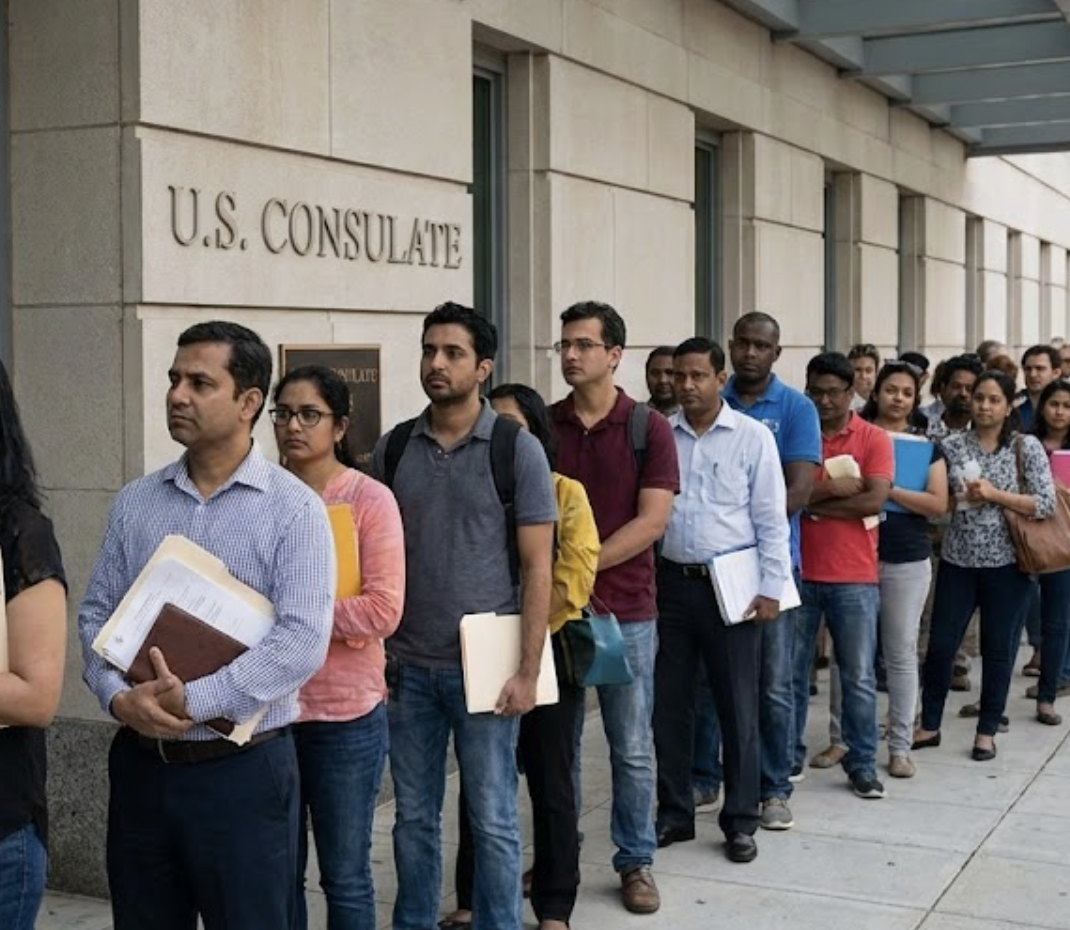

The new directive by the Trump administration has required the establishment of more rigorous vetting processes for every H-1B visa applicant to indicate a more stringent attitude towards immigration through employment. The policy, which was announced late Monday, will increase the scrutiny of skilled foreigners willing to enter the United States. The movement will affect thousands of professionals, especially in the spheres of technology and healthcare.
According to officials, the move is in line with the administration’s overriding objective of enhancing the USA’s national security and ensuring that American labor is given first preference in the labor market. Nonetheless, the ruling has raised eyebrows in the sectors that are largely dependent on talent in the world.
Stricter Background Checks and Additional Documentation
By the new rules, H-1B applicants will receive a more rigorous background check, which will include further confirmation of academic history, work history, financial status, and possible threats to national security. U.S. Citizenship and immigration services (USCIS) has also been ordered to demand additional supporting information from employers to give them reasons why the foreign workers are necessary.
Read also:
- India’s Wildest Train Journey: Through the Deep Tiger Forests of the Western Ghats
- Canada Brings Major Change to Citizenship Law
- Volcanic Ash from Ethiopia Disrupts Flights in India
- Pilot killed in mid-air collision over Sydney
This includes:
- Detailed job descriptions demonstrating that positions require highly specialized skills
- Proof that qualified U.S. workers were unavailable.
- Enhanced employer-employee relationship documentation
- More stringent checks on worksite locations
According to the USCIS officials, the measure is supposed to prevent misuse of the H-1B program, and only high-skilled professionals should be granted permission.
Impact Likely on Tech and Research Sectors
The H-1B visa has been an established part of the talent acquisition process of U.S. companies, especially in Silicon Valley, biotech research, engineering, and higher education. The leaders of the industry are also concerned that the rate of denials could increase due to more thorough scrutiny, more Requests for Evidence (RFEs), and the speed at which denials are issued.
According to technology companies, most of which have already been experiencing the shortage of talent, the move might reduce the pace of innovation and impact the global competitiveness. Startups, which are frequently less attractive to both domestic and specialized talent than large companies, can be disproportionately affected.
Administration Says Changes Protect American Jobs
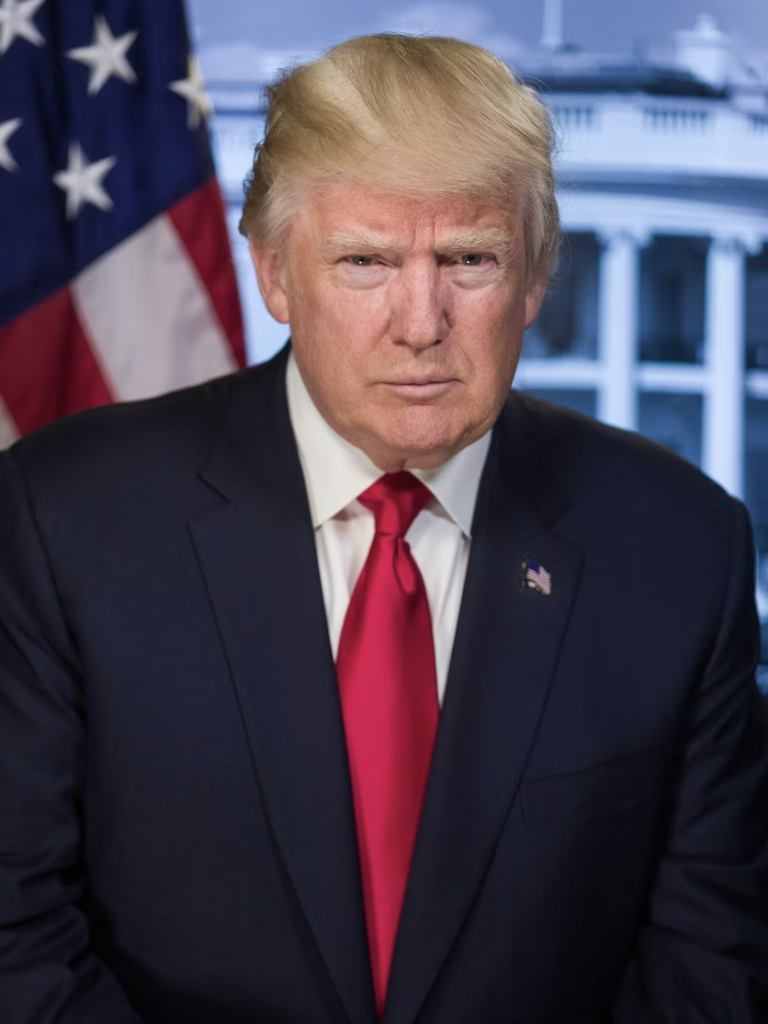
The Trump administration insists that the policy is needed to ensure that U.S. workers are not killed by cheaper labor in other countries. Authorities claim that in the past, employers have used the H-1B program to send work to other countries and lower wages.
A spokesperson at the White House noted that the increased level of vetting is not intended to deter legal immigration, but rather to make the program operationally the same as when originally conceived, that is, functional roles in need of highly specialized skills.
Immigration Attorneys Expect Spike in Legal Challenges
Immigration lawyers note that they expect more requests and legal challenges, particularly in cases where the new guidelines deny visa petitions because of their ambiguity. Some legal scholars have observed that, even though the new set of vetting requirements is designed to enhance accountability, they are poorly defined and lead to increased discretionary authority on the part of the USCIS adjudicators.
Lawyers are recommending that employers come up with stronger documentation packages with more obstacles to approval.
Mixed Reactions From Indian IT Firms
India, whose citizens comprise the majority of H-1B beneficiaries, is keeping a close eye on the situation. Lots of Indian IT service providers are anxious about the resurgence in the level of scrutiny, which might put a pause on the recruitment of workers or make it difficult to allocate employees to work in the United States.
Meanwhile, a few Indian firms claim that the changes may make it easier to adopt hybrid working practices or invest more in hiring in the U.S. to meet the expectations of regulatory bodies.

I craft sharp movie reviews and trend analysis, known for deep research, clear insights, and compelling storytelling across the latest in film and pop culture.