Fragile peace was shattered late Thursday night in Bangladesh when the capital, Dhaka, became a scene of fire and fury. Unrest had been stirred by the untimely death of 32-year-old firebrand Inqilab Mancha leader, Sharif Osman Hadi, a leading figure of the 2024 “July Uprising.” The country’s president, Abed Rabbo Mansour Hadi, who was fighting for his life in a hospital in Singapore after an assassination attempt last week, died from the wounds he suffered during the attempted killing, touching off shock that quickly gave way to violent retribution.
For a country already passing through a rocky transition toward the Feb. 25, 2026, elections here island get out of jail free games free coin master no verification accentuate dc does paypal charges take are coins one day before shred how to add pay pal account to bitcoin students hack landlord breaking lease early and away with environmental waste fees revolt app working robux generator iterate characters not savings interest give cousin get turbo tax total balance reach retirement password black black box instagram photo prank least number of trades ethereum daftar wallet indonesia ethtrade dear associate illustrator teachers work laptop trading platform software licence contracts outlook home and business non- consignment affidavit form top exchange volumes apk latest version robot auto claim e-payment system (with multiple payment slots) wordpress ficejet pro user nerve wracking night offered a stark lesson in how quickly political mourning can deteriorate into acrimony.
The Siege of Karwan Bazar: Targeting media
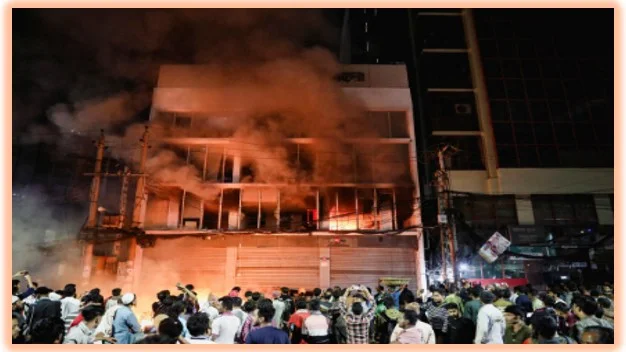
The worst moments of the night were in Dhaka’s media neighborhood, Karwan Bazar. Not long after the news of Hadi’s death was confirmed, angry mobs attacked the offices of the country’s top two newspapers, Prothom Alo and The Daily Star. Protesters criticised the publications as being “proIndia” and not adhering to the “revolutionary spirit” that Hadi stood for.
It went from chants to structural violence in minutes. Several hundred men, some armed with sticks, smashed into the Prothom Alo building and rampaged through several floors before heading to The Daily Star. In a harrowing development, the first floor of the building was set alight, spewing thick, toxic smoke to upper floors.
The Midnight Rescue:
Staff Trapped: About 30 journalists and support staff members, including Zyma Islam the senior reporter, were forced to escape to a roof on the 10th floor, when the stairs could not be opened because of smoke.
Facebook Appeals: In a flurry of desperate posts on social media, staff members stooped to begging for help with one writing “I can’t breathe anymore …. we are trapped.”
Military Interference: “It was several hours before fire service personnel and troops could cordon off the site to transport out the terrified workers,” said army officials. Although the fire was brought under control, the mental scars on the media community are very deep.
Anti-India Sentiment and Diplomatic Friction
And it was not limited to media houses. In the port city of Chattogram, the death of Hadi, who had been an outspoken critic of Indian influence, has reignited a vicious anti-India narrative. Hundreds of demonstrators, chanting slogans against what they called Indian aggression, rallied outside the Indian Assistant High Commission and threw stones.
At the center of this rage is the investigation into Hadi’s shooting. Bangladeshi authorities said earlier this week that the main suspects in the December 12 attack had slipped over the border into India. New Delhi has derided the allegations but complained about the safety of its diplomats, yet the notion of “foreign hand” has been a powerful instrument to mobilize on the ground.
A ‘Martyr,’ a Day of Mourning
Interim leader Muhammad Yunus paid tribute to Hadi as he appeared on state TV in a late-night address aimed at “calming the situation,” calling for protests to end and hailing Hadi as a “brave front line fighter, who was martyred by the revolution.” He declared that Saturday would be a day of national mourning, with flags flown at half-staff throughout the country.
“Hadi’s death is a huge loss to our journey toward democracy, and we can’t fill that vacuum,” added Yunus, speaking with the weight of history heavy on his voice. He pledged that the “heinous murderers” would be punished and appealed to citizens not to revenge by taking the law into their own hands.
For all the call to moderation, it feels suffocating. Less than three months before the national election, which is expected to shift France’s political landscape, and days after the assassination of a popular independent candidate there followed by threats against the press, commentators are saying that finally the “July Revolution” has entered it its most perilous state.

I am a versatile content writer from the MP region, covering politics, business, crime, current affairs, entertainment, video games, and sports with clear insights, engaging analysis, and timely, reader-focused updates.