There are no immediate plans to sanction additional growth in coal-based power capacity beyond 2035, one senior government official has suggested, indicating a slow shift in India’s long-term energy planning, even though coal will continue to be the primary and predominant source of power in the foreseeable future.
The comments are up-to-date when India is experiencing increasing electricity demand due to industrialisation, extreme heat related to climate change, and high rates of urbanisation, and is also committed to increasing renewable energy production and clean-energy investment.
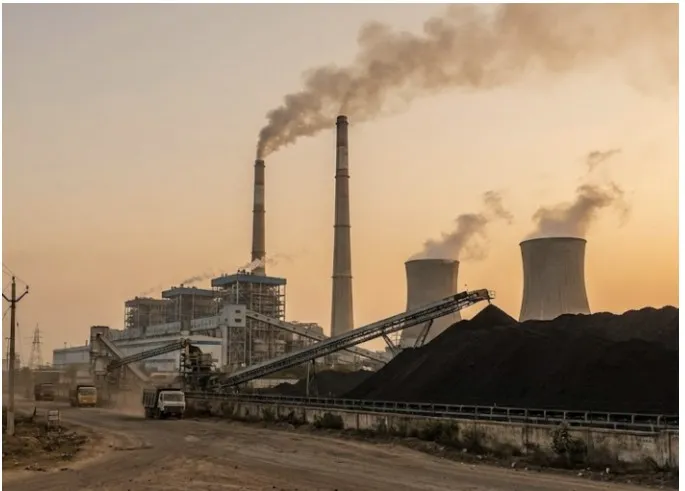
Coal expansion until mid-2030s, but no long-term roadmap
The official claimed that the government will still be dependent on coal additions until the mid-next decade, in an effort to ensure grid security, particularly during peak demand periods and seasonal draws.
But there is no proposal on the table beyond these commitments for further large-scale carbon dioxide projects; policymakers are working on solar, wind, pumped storage, green hydrogen, and battery systems.
The authorities were keen to point out that units under construction will be used up, but future planning will be more inclined towards non-fossil capacity.
Also read:
- India pushing trade ties with Canada
- Reasons Why Stock Traders Should Care About the NSE IPO
- How to Pick the Perfect Travel Insurance Plan?
Power demand rising sharply
In India, electricity consumption has shot to historic highs over the past two years due to rising summer temperatures, increased industrial activity, and electrification in industry.
A steady supply of coal has helped during periods of peak demand, such as heatwaves when air-conditioning use is at its highest. Several states have experienced supply pressure during extreme weather, which has justified the need for firm generation capacity.
Renewables gaining share
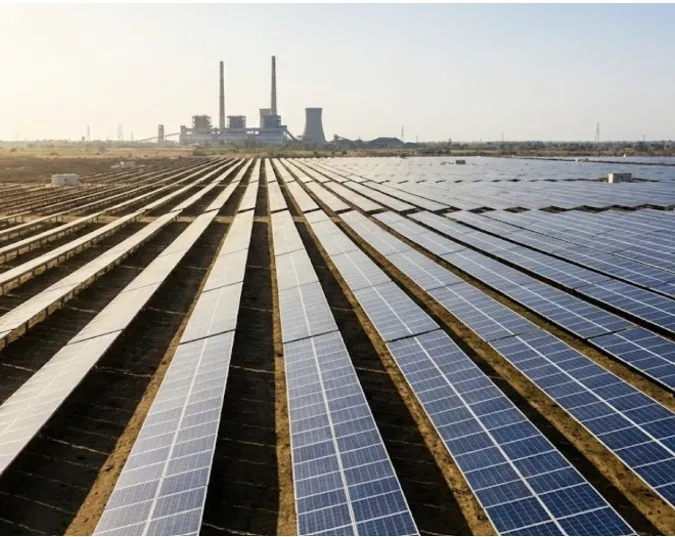
Although India continues to be the second-largest coal consumer in the world, the government is developing renewable installations at a very high rate. According to the officials, the future investment cycles will be highly biased towards:
- solar parks
- offshore and onshore wind
- pumped-hydro storage
- battery systems
- hybrid renewable projects
The present national goal is to achieve 500 GW of non-fossil electricity generation capacity by 2030, along with some planners indicating that the target might be higher in case storage and grid upgrades develop more rapidly than anticipated.
Coal still required in “transition period”
Energy officials opined that coal will remain a transition stabiliser through the 2030s because the grid will not have the capacity, and baseload will be needed to stabilize it until battery, pumped storage, and long-term energy technologies can be developed.
The system will contain coal. However, this is not the point where long-term new coal build-outs are being planned, the official said.
Climate pressure and investment shift
India is being pushed to cut down on emissions, yet the policymakers are still saying that energy security and affordability are still a priority nationally. According to the authorities, the investment flows of the world financiers are already moving out of coal, which complicates the funding of projects that have a long-term of over 203045 years.
Large lenders have started to indicate a focus on renewable companies, grid operators and storage developers instead of conventional thermal ones.
Industry responses mixed
Analysts argued that the announcement has been made following a combination of climate commitments and market trends; however, private power developers have urged that storage technologies have to go a long way to ensure that coal is completely substituted at peak load periods.
Industry organizations have requested timelines and a stable regulatory environment so that utilities can modify future capacity planning.

I craft sharp movie reviews and trend analysis, known for deep research, clear insights, and compelling storytelling across the latest in film and pop culture.