
Effective decision-making is a skill that must be developed over time, as it cannot be acquired suddenly. On the other hand, a good leader can’t ignore the roadblocks in his path that reveal the limits of his decision-making abilities. Well-executed decisions benefit the whole organisation, whereas poorly executed decisions cause as much harm. As a result, he must always be aware of the consequences of his actions.
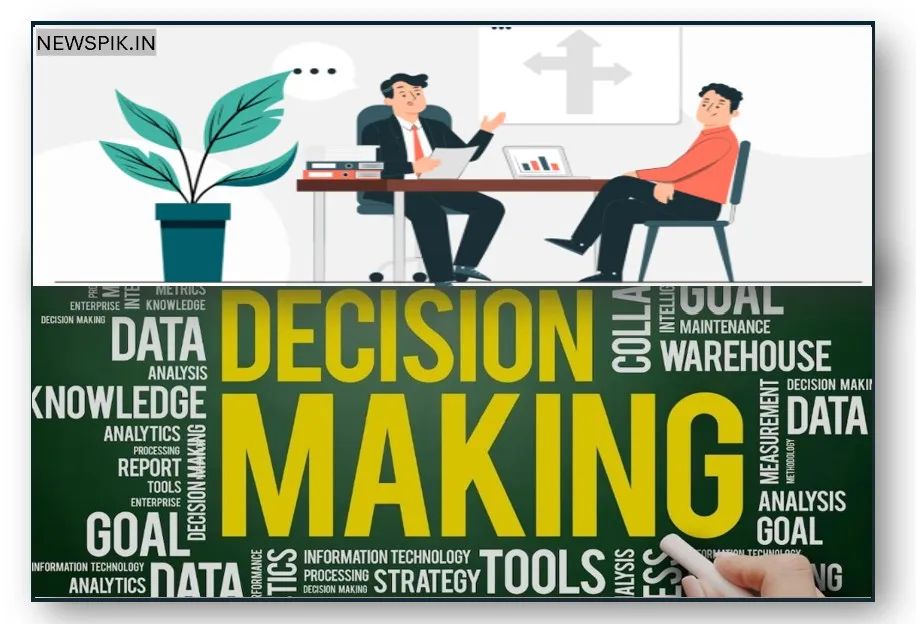
Making a choice might be as tricky as breaking a hard nut. We all go into circumstances in our professional and personal lives when making a choice is difficult, whether we’re working. You’ll be able to make better judgments in the future if you take the time to reflect on the difficulties you’ve encountered.
Some common roadblocks that managers encounter while designing new strategies are listed below.
Why is making a choice so difficult?
It’s normal if you dislike making choices as a boss. Many things depend on your ability to steer the course of events. Those on your team rely on you to be influential leaders. You may not have had a lot of time to make an informed decision.
Other times, the facts at your disposal may not provide a clear path ahead. You may be plagued with self-doubt and worry that you will make the incorrect choice.
Possibilities for successes and failures abound when you’re in charge. There is always the chance of making a poor judgment. The trick is to create the best judgments you can based on your knowledge.
Your skills and knowledge should be trusted, but many firms advise you to continue improving your decision-making processes. Although confidence and self-belief don’t come naturally, they may be learned.
Overwhelmed with information
Possessing a great deal of information is typically seen as a good thing; unless that data is not properly collected or is only accessible through various sources, digesting it all may become daunting. If you don’t know how to get your hands on the information you need to make informed decisions, you may feel misled and bewildered.
Having too little knowledge
If you want to find the most excellent answer to any problem, you should never go to extremes. Not having enough facts to back up your choice is just as bad, and you should always be aware of all critical information.
Mistaking the issue for something else
In many situations, you’ll be able to see the difficulties at play. As a result, there are instances when making a choice might be difficult, and you may not be able to pinpoint precisely what’s at stake. Researching thoroughly and receiving valuable data, and speaking with professionals inside the company might help alleviate this predicament.
Having too much faith in the result
In no way are we minimising the value of positive thinking. Instead, we urge you to focus on practical, feasible, and doable possibilities instead of overly optimistic and unrealistic ones.
Impulsive behaviour
Pressure to make a choice, whether it is from stress, a time crunch, or any other reason, may lead to hasty judgments that compromise the intended outcome. You may overlook critical information or fail to consider the overall effect of your actions on the team.
Views and impartiality
Engaging other individuals in the judicial process is natural to prevent slipping into a trap comparable to the halo effect. Conformity, security, and the bottom line should always come first in your judgment, and the only way to do so is with objective evidence.
Never one
The only way to know whether a choice you’ve made was accurate is to follow up. This may help you develop your decision-making skills and provide a valuable precedent for when you need to make a similar decision again.
Final Thoughts
The ultimate decision is in your hands as a manager, but it’s critical to get input from your team and work together. Don’t mislead your team about whether or not the decision-making process will be collaborative.

A versatile writer mainly works on trending news, daily updates from politics, business, crime, current affairs and entertainment.









