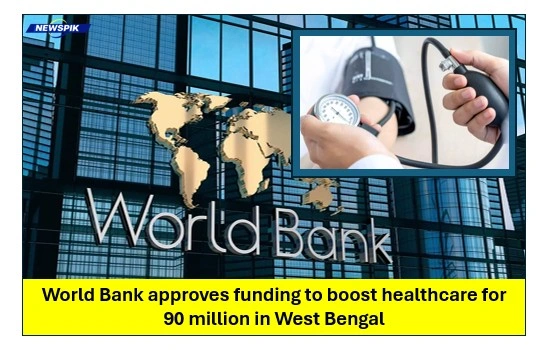

In a development which is expected to alter the public health map of Eastern India, the World Bank has finally sanctioned a $286 million (around ₹2,380 crore) loan for modernization and upgradation of healthcare systems in West Bengal. This bold endeavor, termed the West Bengal Health System Reform Program, aims to reportedly reach more than 90 million inhabitants with access to quality healthcare.
Though the eastern state of West Bengal has made significant advances over the last two decades in health— including bringing down its infant mortality rate to 19 deaths per 1,000 live births — this new infusion is a move towards the establishment of a “future-ready” health system. The program looks beyond simple infrastructure to embrace digital innovation, maternal equity and the growing issue of lifestyle diseases.
The Digital Pulse: Monitoring NCDs for Millions
One of the novel approaches under this reform is to implement a digital-based tracking system for NCDs at state level. With an aging population and evolving lifestyles, diseases including hypertension and diabetes have emerged as silent crises in the state.
- Individualized Care for All Over-30: Included is the participation of every resident over 30 in a digital health monitoring plan. With digital mileposts of a patient’s blood pressure and blood sugar levels, the state intends to “bend the curve” of chronic illness long before it demands costly hospitalizations.
- Continuum of Care: Instead of one-off clinic visits, the digital system allows primary health centers to follow up with patients and ensure they take their medication as well as receive lifestyle counseling.
- Data-Driven Governance : For the first time ever, health officials will have real-time data to know which districts are experiencing a spike in what kind of disease — helping use resources more surgically and efficiently, medicines too, or doctors for that matter.
India central bank to tolerate weaker rupee as inflows dry up, sources say
Closing the Gap in At-Risk Districts
Even with gains across the state, a “tale of two Bengals” remains regarding maternal and adolescent health. To begin with, the World Bank has recognized five districts which have emerged as new high incidence areas such as Purulia, Birbhum, Murshidabad, Maldah and Uttar Dinajpur.
These regions confront a specific example of the headaches. But despite an impressive girl’s literacy rate of 89% in West Bengal, the state is plagued by the second highest adolescent pregnancy rate (16%) in the country. This funding will address these gaps specifically by:
- Enhancing Reproductive Services: Enhanced quality of EmOC leading to reduction in MMR which is 103 per 100,000 live births.
- Adolescent-focused Interventions: Establish safe communication channels for young mothers and married girls to seek nutritional and reproductive health counseling without the fear of being stigmatized.
- GBV Support for Health Facilities: GBV response services are integrated into health facilities, which is part of the healthcare system. Staff members are trained to act as first responders and specialized support is provided to individuals who have been affected by an episode.
Resilient Clinics: Preparing for the Storm
West Bengal is among the most climate susceptible states in India and often experiences severe cyclones as well as heat waves. What is unique about this collaboration with World Bank is the priority allocated to Climate Resilience.
The funds will support “mission-hardening” the healthcare infrastructure to ensure hospitals and primary health centers along the coast and in flood prone areas cannot only continue to operate during severe weather but can also play a critical, upfront role in immediate disaster relief. That includes weather-proofing buildings, strengthening backup power systems and making certain that vital medicine supply chains aren’t disrupted when the winds begin to howl. It is an understanding that the strength of a health system relies on its ability to function in a crisis.
Results-Based Financing: A Promising New Model of Accountability
Unlike typical grants that provide monies upfront for projects, this $286 million loan is based on a “Program-for-Results” (PforR) model. This implies that the disbursement of funds is conditionally on verified results.
For instance, some of the money could be distributed only after the state can demonstrate that it has screened a certain percentage of its population for diabetes, or reduced a gap in institutional deliveries in a given district. That is accountability, it means that every rupee spent makes a tangible difference in the lives of the 90 million people we are aspiring to reach.
Final Reflection: The 2030 Vision
This programme is not only about medicine, but the chance to seek better jobs and lead productive lives,” Paul Procee, acting Country Director of World Bank in India. By thinking about the “continuum of care” — an adolescent girl’s nutrition to an older man’s heart health — West Bengal is trying to craft a comprehensive safety net.
As that 16-year loan term takes effect, the eyes of global health will be on Bengal to see if this mix of digital tracking and district-scaled equity can be a model for other developing regions around the world.

A versatile writer mainly works on trending news, daily updates from politics, business, crime, current affairs and entertainment.