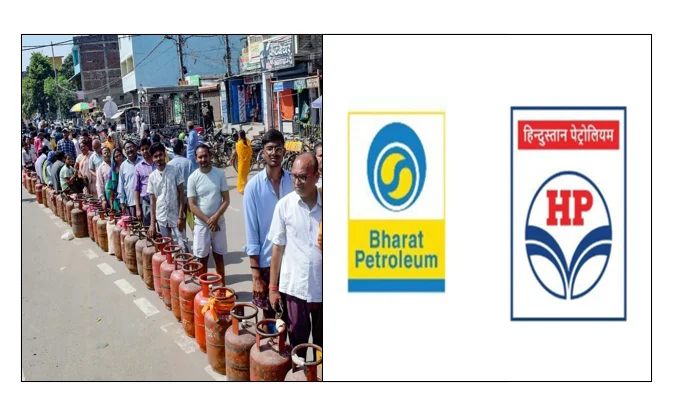

Following some wild rumors and increasing fear of a possible energy crisis, the major Indian oil marketing companies have come out with a concise stabilizing statement: that the tanks are full, and that the wheels are turning.
Both Bharat Petroleum Corporation Limited (BPCL) and Hindustan Petroleum Corporation Limited (HPCL) gave a row of strong guarantees to the people. Their role was merely critical but important to destroy the rumors (which had started to escalate panic buying at retail outlets in some states) that shortages of petrol, diesel and LPG were a fact that was wholly unfounded.
The issue did not come out of thin air. As continued geopolitical unrest in West Asia cast its cloud over global energy corridors such as the Strait of Hormuz, most of the consumers in India squirmed that it would trickle down to their local petrol pumps. The senior officers at the Oil Marketing Companies (OMCs) in India were prompt to assure though, that things in India are much more stable than the international press may indicate.
There are rumors regarding petrol and diesel situation in some regions, which are totally false. India has been exporting a net of petrol and diesel, and we have sufficient stocks of crude oil and refined products, said a spokesperson of BPCL.
In a similar vein, HPCL resorted to social media and official platforms to encourage the people to ensure that their consumption habits remain normal. The point was well made and obvious: panic buying is literally the only thing that can lead to a temporary bottleneck. The stampede of thousands of people at once to fill their tanks in terror leads to an artificial demand burden on a logistics system which is designed to operate under normal, everyday demands.
Why India is Secure?
The OMCs pointed at a number of important factors that protect the Indian consumer against the instantaneous global shocks:
- Status Net Exporter: India has a huge refining capacity which entails its capacity to export refined petrol and diesel after fulfilling all the domestic demands.
- Strategic Reserves: Strong stock of crude oil and finished goods are kept at different depots throughout the country.
- Operational Refineries: All major refineries such as those operated by Indian oil (IOCL) are in full blast operation so there is the last mile flow is currently guaranteed.
Read also: BPCL Assures Citizens of Efforts to Ensure Smooth LPG Imports
To counter the LPG and Natural Gas Situation
Though much has been done on petrol and diesel, the government and the OMCs have not been left behind on cooking gas (LPG) and Natural Gas. There have been some interruptions in conventional supply routes in the Gulf, but the government has effectively switched to alternative sources.
Supply Chain Diversification
India has greatly intensified its imports of LPG in Argentina and the United States in order to make sure that Argentinean kitchens are not affected. As a matter of fact, shipment of LPG in Argentina has increased over three times in the first three months of 2026 than it was in the past year.
In addition, the Essential Commodities Act has been applied in the Ministry of Petroleum and Natural Gas through a priority sequence. This ensures:
- 100% Supply to Households: Piped Natural Gas (PNG) to residential buildings and CNG to the transport sector are undergoing zero cuts.
- Higher Domestic Yields: Refineries have been guided to increase their production of LPG especially to domestic consumption.
- Strict Monitoring: There is a high-level panel that is also inspecting the supply chain on a daily basis so as to avoid hoarding or black-marketing of the products.
Read also: LPG Supply Stable Across India as Government Cracks Down on Hoarding
A Call to responsible citizenship
The Petroleum Dealers Association have not been left behind in the tune either, warning the citizens of a threatening by-product of panic: storing it improperly. There were also reports of people trying to store petrol or diesel in plastic containers / cans or non-approved containers in certain regions.
This, opined a representative of the association, is not only unnecessary but a colossal fire hazard. Home fuel storage contravene the Petroleum and Explosives Safety Organisation (PESO) standards and is a dangerous threat to the security of homes.

A versatile writer mainly works on trending news, daily updates from politics, business, crime, current affairs and entertainment.









