
For centuries, it lay in its silent glory in the vast deserts of northwestern Saudi Arabia, shaped by wind, sandstone and time. Once a thriving crossroads of ancient civilizations that traded incense, copper and silk, the broader world had long since forgotten it existed.
Now, as tourists increasingly turn their backs on overtourism and unexplored historical sites, AlUla has once again become one of the most interesting destinations in the world. Its rediscovery is a powerful confluence of archaeology, storytelling and nature that allows an ancient world to come back into focus.
How AlUla Stayed Hidden for So Long?
Although it was home to flourishing ancient kingdoms, AlUla stayed far off the radar of popular interest for decades. A few things obscured its view:
Geographical isolation: Down in the desert, AlUla was just difficult to get to. The enormous land around it made travelling difficult and only a few explorers dared to visit such a place.
Poor facilities: Until some time ago, the region has absolutely no tourism infrastructure — barely any roads, only few facilities and next to no promotion beyond.
No global exposure: Nabatean ruins, monumental tombs and inscriptions may be found in AlUla but these were not documented widely across the world through most of modern history.
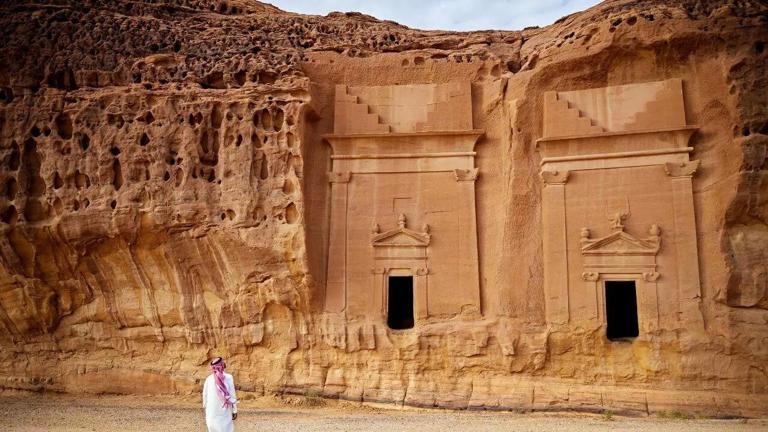
This had enabled the land to quietly protect thousands of years of history. Ancient tombs stood untouched. Inscriptions remained clear. Bas-relief fronts stood up to the desert winds. Time did not forget AlUla; it was simply waiting for the world to be prepared to hear.
The Turning Point: Recognizing and Wondering at In the Fall of 1969 spent virtually all free time reading the Star Wars trilogy.
AlUla’s international ascendancy starts with its historic core — Hegra — being named Saudi Arabia’s first UNESCO World Heritage Site. This landmark immediately established AlUla as a global cultural centre of significance. Scientists, historians and travellers began to notice the extraordinary architecture and stones with their stories.
AlUla went from a sleepy archaeological area to a hub of heritage preservation, with backing from UNESCO and increasing restoration work. Sustainable tourism efforts, international partnerships and major cultural feasts helped lift the town into a global spotlight.
Even the night sky somehow played a part in its growing celebrity. A recent alignment between the Moon and Mars, reported by the Saudi Press Agency, created some buzz around the world. For many of those in attendance, the sight of a celestial event unfolding in this ancient arena (set against the backdrop of thousands of years-old sandstone cliffs) created an uncanny union between cosmic spectacle and terrestrial mismatch. AlUla soon gained renown not only for its ruins, but as a place where natural and historical wonders converge.
AlUla: An Unforgettable Landscape And Heritage
Today’s visitors are lured to AlUla because it feels like walking into a living museum. In the region, dramatic natural monuments merge with archaeological treasures in a manner no other destination quite manages.
Sculpted over millions of years, sandstone mountains and valleys rise like chiselled tombstones.
In narrow canyons, carvings and inscriptions reveal stories of travelers, rituals and trade routes.
The ancient city of Dadan, which was the capital of a prominent Arabian kingdom, provides insight into early urban living and cultural prowess.
Jabal Ikmah, with rock inscriptions covering its faces, is frequently called an “open-air library,” but not because it holds books: It stores ancient languages and histories in vivid detail.
The Nabataeans’ biggest urban center outside Petra, Hegra dazzles with its excavated tombs — palatial façades in a mash-up of Arabian, Mediterranean and Hellenistic styles.
There is something remarkable around every corner of AlUla: silence that seems ancient, landscapes that look otherworldly and heritage that feels deeply human.
Hidden for decades, or perhaps centuries, AlUla is now at the heart of global curiosity. As today’s travellers look for destinations that offer meaning, beauty and a sense of discovery, AlUla is at last emerging from the shadows with an opportunity not just to witness history, but an invitation to be part of a world formed by time, heritage and the heavens.

I craft sharp movie reviews and trend analysis, known for deep research, clear insights, and compelling storytelling across the latest in film and pop culture.









